Understanding Alcoholism and Its Impact
Alcoholism, clinically referred to as alcohol use disorder (AUD), is a chronic medical condition characterised by an inability to control alcohol consumption despite adverse consequences. Symptoms include strong cravings for alcohol, continued drinking despite problems, tolerance requiring increased amounts, and withdrawal symptoms when stopping. Individuals may experience blackouts, neglect responsibilities, and prioritise drinking over personal relationships and work commitments.
Physical and Psychological Effects
The impact of alcohol dependency extends throughout the body, affecting virtually every organ system. Physically, chronic alcohol abuse can lead to liver disease, cardiovascular problems, digestive issues, and compromised immune function. Psychologically, alcoholism frequently co-occurs with depression, anxiety, and other mental health disorders, creating a complex cycle of dependency and emotional distress.
UK Statistics and Seeking Help
According to recent NHS data, approximately 7.4 million people in England show signs of alcohol dependency, with over 358,000 dependent drinkers receiving treatment annually. Professional help should be sought when alcohol consumption interferes with daily life, relationships, or work performance. Medical supervision during treatment is crucial, particularly during detoxification, as withdrawal symptoms can be severe and potentially life-threatening, requiring careful monitoring and pharmaceutical support.
Medication-Assisted Treatment Options
Pharmaceutical interventions play a vital role in comprehensive alcoholism treatment, offering evidence-based support for individuals committed to recovery. These medications work through various mechanisms to address the complex neurochemical changes associated with alcohol dependency, helping to restore brain chemistry balance and reduce the compulsive drive to drink.
How Medications Support Recovery
Anti-alcohol medications operate through different pathways to support sobriety. Some reduce the pleasurable effects of alcohol, whilst others create unpleasant reactions when alcohol is consumed, and certain medications help minimise withdrawal symptoms and cravings. These pharmaceutical interventions are most effective when integrated with comprehensive treatment approaches including counselling, behavioural therapy, and peer support programmes.
Available Treatments in UK Pharmacies
Several prescription medications are available through UK pharmacies for alcohol dependency treatment:
Acamprosate - helps reduce cravings and maintain abstinence
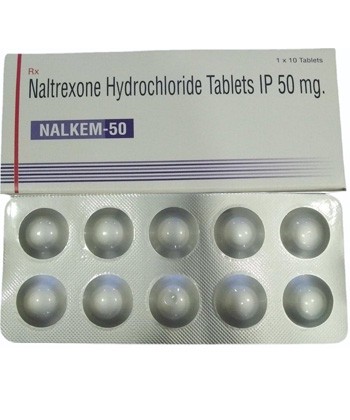
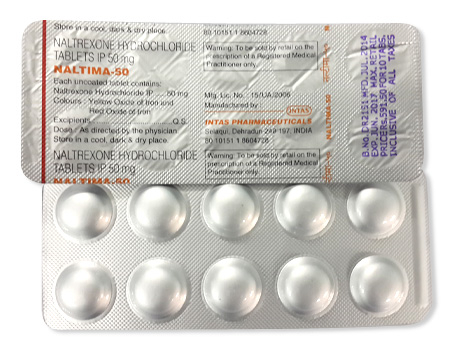
Naltrexone - blocks the rewarding effects of alcohol
Disulfiram - creates unpleasant reactions when alcohol is consumed
Nalmefene - reduces alcohol consumption in those not ready for complete abstinence
These treatments require prescription from qualified healthcare providers and regular monitoring to ensure safety and effectiveness throughout the recovery process.
Naltrexone - Reducing Alcohol Cravings
Naltrexone is a highly effective medication that works by blocking opioid receptors in the brain, specifically targeting the reward pathway associated with alcohol consumption. By preventing the release of endorphins that create pleasurable feelings when drinking, naltrexone significantly reduces the urge to consume alcohol and helps break the cycle of addiction.
Dosage and Administration
The standard oral dose is 50mg daily, typically taken in the morning with food to minimise gastrointestinal upset. Treatment should begin after complete alcohol detoxification, usually 7-10 days after the last drink. Injectable naltrexone (Vivitrol) is administered monthly at 380mg for patients with adherence concerns.
Side Effects and Contraindications
Common side effects include nausea, headache, dizziness, and fatigue
Contraindicated in patients with acute hepatitis or liver failure
Must not be used with opioid medications
Regular liver function monitoring is required
Clinical studies demonstrate 50-70% effectiveness rates in reducing heavy drinking days. In the UK, naltrexone requires a prescription and is available through NHS specialist alcohol services and private healthcare providers following comprehensive assessment.
Acamprosate - Maintaining Sobriety
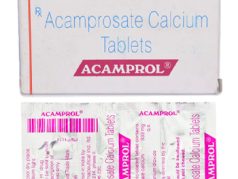
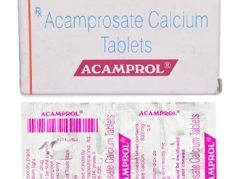
Acamprosate works by restoring the natural balance of neurotransmitters in the brain that become disrupted through chronic alcohol use. It modulates glutamate and GABA activity, helping to reduce the physical and emotional discomfort associated with early recovery and making it easier to maintain abstinence from alcohol.
Treatment Duration and Dosing
The recommended dose is 666mg (two tablets) three times daily for patients weighing over 60kg, or 333mg three times daily for those under 60kg. Treatment typically continues for 6-12 months, though some patients may benefit from longer courses depending on individual circumstances and response.
Side Effects and Suitability
Generally well-tolerated with mild gastrointestinal effects
Most common side effects include diarrhoea, nausea, and abdominal pain
Suitable for patients with mild to moderate liver impairment
Contraindicated in severe renal impairment
Clinical evidence shows acamprosate reduces relapse rates by approximately 15-20% compared to placebo. It's licensed in the UK and available through NHS addiction services and private prescriptions, often used as part of comprehensive alcohol treatment programmes combining medication with psychological support.
Disulfiram - Deterrent Therapy
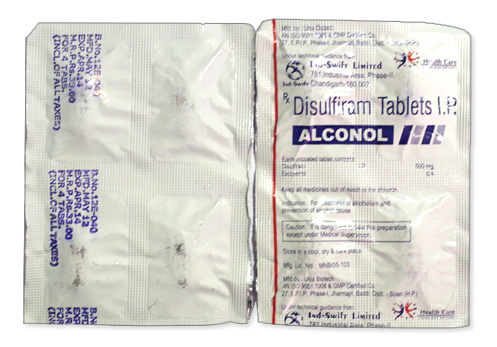
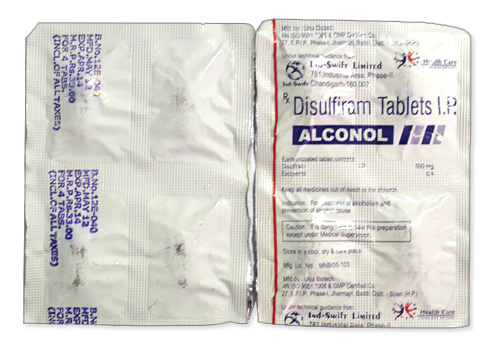
Disulfiram works as an alcohol deterrent by blocking the enzyme acetaldehyde dehydrogenase, which breaks down alcohol in the body. When alcohol is consumed whilst taking disulfiram, toxic acetaldehyde accumulates, causing extremely unpleasant reactions including severe nausea, vomiting, headaches, chest pain, and difficulty breathing. These effects typically begin within 10-30 minutes of alcohol consumption and can last several hours.
Safety Considerations and Monitoring
Strict adherence to disulfiram therapy is crucial, as the medication remains active in the system for up to two weeks after the last dose. Patients must avoid all sources of alcohol, including mouthwash, cooking wine, and certain medications. Regular monitoring is essential due to potential serious side effects, including liver toxicity, peripheral neuropathy, and psychiatric symptoms. Blood tests to check liver function are typically required before starting treatment and periodically thereafter.
Disulfiram is contraindicated in patients with severe heart disease, psychosis, or pregnancy. In UK healthcare settings, prescriptions are typically initiated by specialists in addiction medicine or psychiatrists, with careful patient selection based on motivation levels and medical history.
Support Resources and Next Steps
Recovery from alcoholism requires comprehensive support beyond medication alone. Several UK organisations provide invaluable assistance, including Alcoholics Anonymous, Al-Anon for families, and the charity Drinkline (0300 123 1110) offering confidential advice and support. The NHS also provides local alcohol support services through community addiction teams.
Comprehensive Treatment Approach
Combining medication with behavioural therapy significantly improves treatment outcomes. Cognitive behavioural therapy (CBT), motivational interviewing, and group therapy sessions are commonly available through NHS services. Family and community support play vital roles in long-term recovery, providing emotional stability and accountability.
Regular GP appointments to monitor progress and adjust medications
Ongoing counselling or therapy sessions
Participation in support groups or peer networks
Lifestyle modifications including diet, exercise, and stress management
Development of coping strategies for triggers and cravings
Long-term recovery strategies focus on maintaining sobriety through continued engagement with support services, developing healthy coping mechanisms, and building a strong support network for sustained recovery.