Understanding Allergies and Antiallergic Medications
Allergies occur when your immune system overreacts to normally harmless substances, treating them as threats to your body. This immune response triggers the release of chemicals like histamine, leading to the uncomfortable symptoms we associate with allergic reactions. These symptoms can range from mild irritation to severe, life-threatening responses that significantly impact your daily life and wellbeing.
In the UK, millions of people suffer from various allergic conditions throughout the year. Common allergy triggers include seasonal pollen from trees, grasses, and weeds, particularly during spring and summer months. Year-round allergens such as house dust mites, pet dander from cats and dogs, mould spores, and certain food allergens like nuts, shellfish, and dairy products also cause considerable distress for many individuals.
Antiallergic medications work by interrupting the body's allergic response at different stages. Most commonly, antihistamines block histamine receptors, preventing the cascade of symptoms that follow allergen exposure. Other medications may work by stabilising mast cells or reducing inflammation in affected tissues.
Allergic reactions can manifest as mild symptoms like sneezing, runny nose, and itchy eyes, or progress to more severe responses including widespread rashes, breathing difficulties, or anaphylaxis. You should seek immediate medical advice if you experience severe symptoms, persistent reactions that don't respond to over-the-counter treatments, or if allergies significantly interfere with your sleep, work, or daily activities.
Antihistamines - First Line Defence
Antihistamines represent the most widely used and effective treatment for allergic symptoms. They work by blocking histamine H1 receptors throughout the body, preventing histamine from binding and triggering the characteristic symptoms of allergic reactions. By interrupting this process, antihistamines can significantly reduce sneezing, itching, runny nose, and watery eyes associated with various allergic conditions.
First-Generation Antihistamines
First-generation antihistamines have been available for decades and remain effective options for many people. Chlorphenamine, commonly known by the brand name Piriton, provides excellent relief for hay fever, hives, and other allergic reactions. Promethazine (Phenergan) offers longer-lasting effects and is particularly useful for severe allergic reactions or when sleep disturbance is a concern. These medications are highly effective but can cause drowsiness as they cross the blood-brain barrier.
Second-Generation Antihistamines
Modern second-generation antihistamines offer the advantage of effective symptom relief with minimal sedating effects. Popular options available in the UK include:
Cetirizine (Piriteze) - provides 24-hour relief and is particularly effective for skin allergies
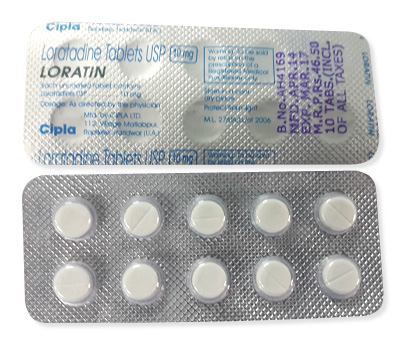
Loratadine (Clarityn) - offers excellent hay fever relief with minimal drowsiness
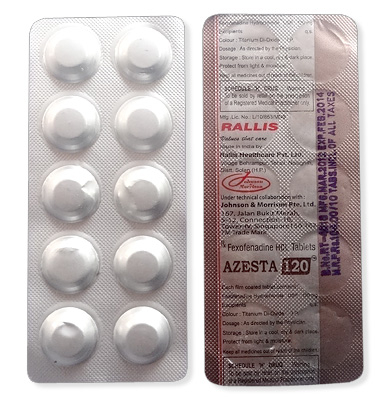
Fexofenadine (Telfast) - considered the least sedating option, ideal for daytime use
The choice between drowsy and non-drowsy formulations depends on your specific needs, lifestyle, and how symptoms affect you. Non-drowsy antihistamines are preferable when you need to remain alert for work or driving, whilst drowsy formulations may be beneficial when allergies disrupt sleep or when taken before bedtime.
Topical Antiallergic Treatments
Topical antiallergic treatments provide targeted relief directly to affected areas, offering quick and effective symptom management for localised allergic reactions. These treatments are particularly beneficial for specific areas such as the eyes, nose, and skin where allergies commonly manifest.
Antihistamine Creams and Gels
Antihistamine creams and gels are ideal for treating localised skin reactions such as insect bites, contact dermatitis, or hives. These topical formulations work by blocking histamine receptors directly at the site of irritation, providing rapid relief from itching, redness, and swelling without the systemic effects of oral medications.
Eye Drops for Allergic Conjunctivitis
Allergic conjunctivitis affects millions of people in the UK, particularly during pollen seasons. Sodium cromoglicate drops work preventively by stabilising mast cells and preventing the release of inflammatory substances. Antihistamine eye drops provide immediate relief from itchy, watery, and red eyes by blocking histamine action directly in the conjunctiva.
Nasal Sprays for Hay Fever and Rhinitis
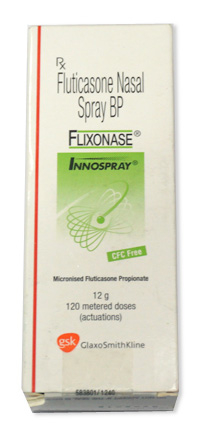
Corticosteroid nasal sprays are highly effective for reducing inflammation in the nasal passages and are considered the gold standard for persistent allergic rhinitis. Antihistamine nasal sprays offer rapid relief from sneezing, runny nose, and nasal congestion. The benefits of targeted topical treatment include reduced systemic side effects and precise delivery to affected areas. Proper application techniques involve tilting the head forward slightly, inserting the nozzle just inside the nostril, and breathing gently through the nose whilst administering the spray.
Hay Fever and Seasonal Allergy Management
Hay fever, medically known as allergic rhinitis, affects approximately 18 million people across the UK. This common condition occurs when the immune system overreacts to airborne allergens, particularly pollen from trees, grasses, and weeds, resulting in symptoms such as sneezing, nasal congestion, runny nose, and itchy eyes.
Peak Pollen Seasons in the UK
Understanding the UK's pollen calendar is crucial for effective hay fever management. Tree pollen season typically runs from February to June, with peak activity in April and May. Grass pollen, the most common trigger, peaks between May and August. Weed pollens, including nettle and dock, are most prevalent from June to September. Weather conditions significantly influence pollen levels, with warm, dry, and windy days typically producing higher counts.
Preventive Measures and Management Strategies
Effective hay fever management involves both preventive measures and appropriate treatment:
Monitor daily pollen forecasts and limit outdoor activities during peak times
Keep windows closed during high pollen periods and use air conditioning when possible
Shower and change clothes after spending time outdoors
Apply petroleum jelly around nostrils to trap pollen particles
Consider wraparound sunglasses to protect eyes from pollen exposure
For severe hay fever, combination treatments involving antihistamines, nasal corticosteroids, and eye drops often provide optimal relief. Long-term management may include starting treatment 2-4 weeks before your typical symptom onset to build up protection before the pollen season begins.
Children's Antiallergic Medications
Children require special consideration when treating allergic reactions, as their developing systems respond differently to medications. Age-appropriate antiallergic treatments are essential for safe and effective management of paediatric allergies.
Liquid Formulations and Dosing Guidelines
Most children's antihistamines are available in liquid form, making them easier to administer and dose accurately. Popular options include cetirizine, loratadine, and chlorphenamine syrups. Always follow the dosing instructions on the packaging or as advised by your pharmacist, as dosages are typically calculated based on the child's age and weight.
Safety Considerations for Paediatric Use
When selecting antiallergic medications for children, consider non-drowsy formulations to avoid affecting their daily activities and learning. Some antihistamines are not suitable for very young children, so always check age restrictions on packaging.
Common Childhood Allergies
Food allergies (milk, eggs, nuts)
Seasonal hay fever
Pet dander allergies
Eczema and skin reactions
Dust mite allergies
Consult your pharmacist or GP if symptoms persist, worsen, or if you're unsure about appropriate treatment options for your child's specific allergic condition.
Emergency Allergy Treatments and Severe Reactions
Severe allergic reactions, known as anaphylaxis, can be life-threatening and require immediate emergency treatment. Understanding how to recognise and respond to these situations is crucial for anyone with severe allergies.
Recognising Signs of Severe Allergic Reactions
Anaphylaxis symptoms develop rapidly and may include difficulty breathing, swelling of the face or throat, rapid pulse, dizziness, widespread rash, and loss of consciousness. These symptoms require immediate emergency intervention.
Adrenaline Auto-Injectors
EpiPen and Jext are the primary emergency treatments for anaphylaxis available in the UK. These devices deliver a pre-measured dose of adrenaline and should be administered immediately when severe reaction symptoms appear. Always carry two auto-injectors if prescribed, and ensure family members know how to use them.
Emergency Response Protocol
Use adrenaline auto-injector immediately
Call 999 for emergency services
Lie the person flat (unless breathing difficulties require sitting up)
Prepare to use second auto-injector if symptoms don't improve within 5-15 minutes
Always seek emergency medical attention even after using an auto-injector, as symptoms can return. Follow-up care with your GP or allergy specialist is essential to review and update your allergy action plan.