Understanding Antibacterial Medications
Antibacterial medicines are pharmaceutical compounds specifically designed to combat bacterial infections by either killing bacteria (bactericidal) or inhibiting their growth and reproduction (bacteriostatic). These medications work through various mechanisms, including disrupting bacterial cell walls, interfering with protein synthesis, or blocking essential metabolic processes that bacteria require to survive and multiply.
Difference Between Antibiotics and Antibacterials
Whilst the terms "antibiotics" and "antibacterials" are often used interchangeably, there is a technical distinction. Antibiotics originally referred to naturally occurring substances produced by microorganisms that fight other microorganisms. Antibacterials encompass both natural antibiotics and synthetic compounds designed to combat bacterial infections. In modern pharmacy practice, both terms are widely accepted when referring to bacterial infection treatments.
Common Bacterial Infections Treated in the UK
In the United Kingdom, antibacterial medications are commonly prescribed for various bacterial infections, including:
Respiratory tract infections such as pneumonia and bacterial bronchitis
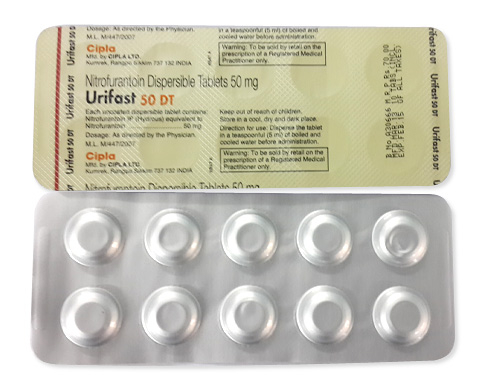
Urinary tract infections (UTIs)
Skin and soft tissue infections
Ear infections (otitis media and externa)
Throat infections including streptococcal pharyngitis
Gastrointestinal bacterial infections
When Antibacterial Treatment is Necessary
Antibacterial treatment is only effective against bacterial infections and should never be used for viral conditions such as common colds or flu. Healthcare professionals in the UK follow strict prescribing guidelines to ensure appropriate use, considering factors such as infection severity, patient medical history, and local bacterial resistance patterns.
Prescription vs Over-the-Counter Options
Most antibacterial medications in the UK require a prescription from a qualified healthcare professional. However, certain topical antibacterial preparations for minor skin conditions may be available over-the-counter from registered pharmacies, though pharmacist consultation is recommended to ensure appropriate use.
Types of Antibacterial Treatments Available
Antibacterial treatments are available in various formulations to suit different types of infections and patient needs. The choice of formulation depends on the infection location, severity, patient age, and individual circumstances.
Oral Antibacterials
Oral antibacterial medications represent the most common form of systemic treatment and include tablets, capsules, and liquid suspensions. Tablets and capsules are convenient for adults and older children, whilst liquid formulations are particularly useful for young children and patients who have difficulty swallowing solid dosage forms. These medications are absorbed through the digestive system and distributed throughout the body to combat systemic infections.
Topical Antibacterial Preparations
Topical antibacterials include creams, ointments, and gels applied directly to affected skin areas. These preparations are ideal for localised skin infections, minor cuts, and wounds where direct application can provide concentrated treatment whilst minimising systemic exposure. Common topical antibacterials available in UK pharmacies include fusidic acid and mupirocin preparations.
Common Antibacterial Families
Antibacterial medications are classified into families based on their chemical structure and mechanism of action. Penicillins, including amoxicillin, remain first-line treatments for many infections due to their proven efficacy and safety profile. Macrolides such as clarithromycin offer alternatives for penicillin-allergic patients. Tetracyclines, including doxycycline, are particularly effective against certain respiratory and skin infections.
Broad-spectrum vs Narrow-spectrum Antibacterials
Broad-spectrum antibacterials are effective against a wide range of bacterial species, making them useful when the specific causative organism is unknown. Narrow-spectrum antibacterials target specific bacterial types and are preferred when the infection cause is identified, as they reduce the risk of disrupting beneficial bacterial flora and developing resistance.
Popular Antibacterial Products in the UK Market
The UK pharmaceutical market offers a comprehensive range of antibacterial medications, both prescription and over-the-counter options, to address various bacterial infections. Understanding the most commonly prescribed antibiotics can help patients and healthcare professionals make informed treatment decisions.
Prescription Antibacterials
Among the most frequently prescribed antibiotics in the UK, several stand out for their effectiveness and broad spectrum of activity:
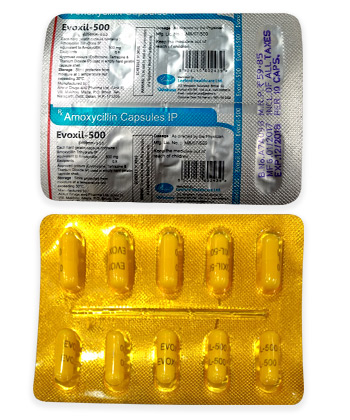
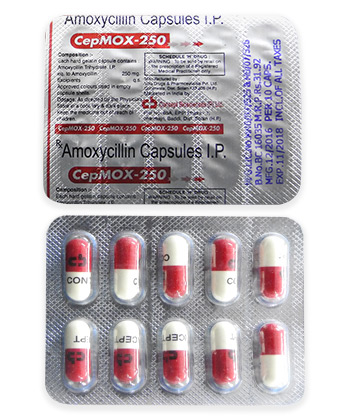
Amoxicillin - A penicillin-based antibiotic widely used for respiratory tract infections, urinary tract infections, and ear infections
Flucloxacillin - Specifically effective against staphylococcal infections, particularly for skin and soft tissue infections
Clarithromycin - A macrolide antibiotic commonly prescribed for chest infections, pneumonia, and certain skin conditions
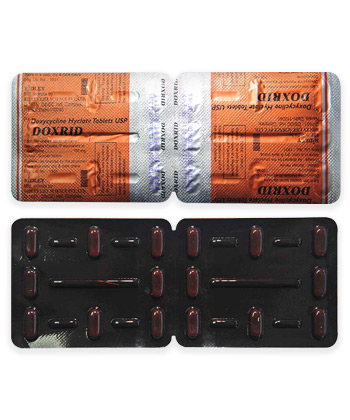
Doxycycline - A versatile tetracycline antibiotic used for respiratory infections, acne, and tick-borne diseases
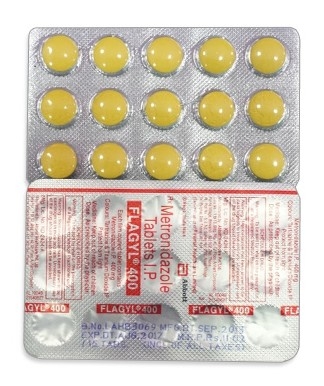
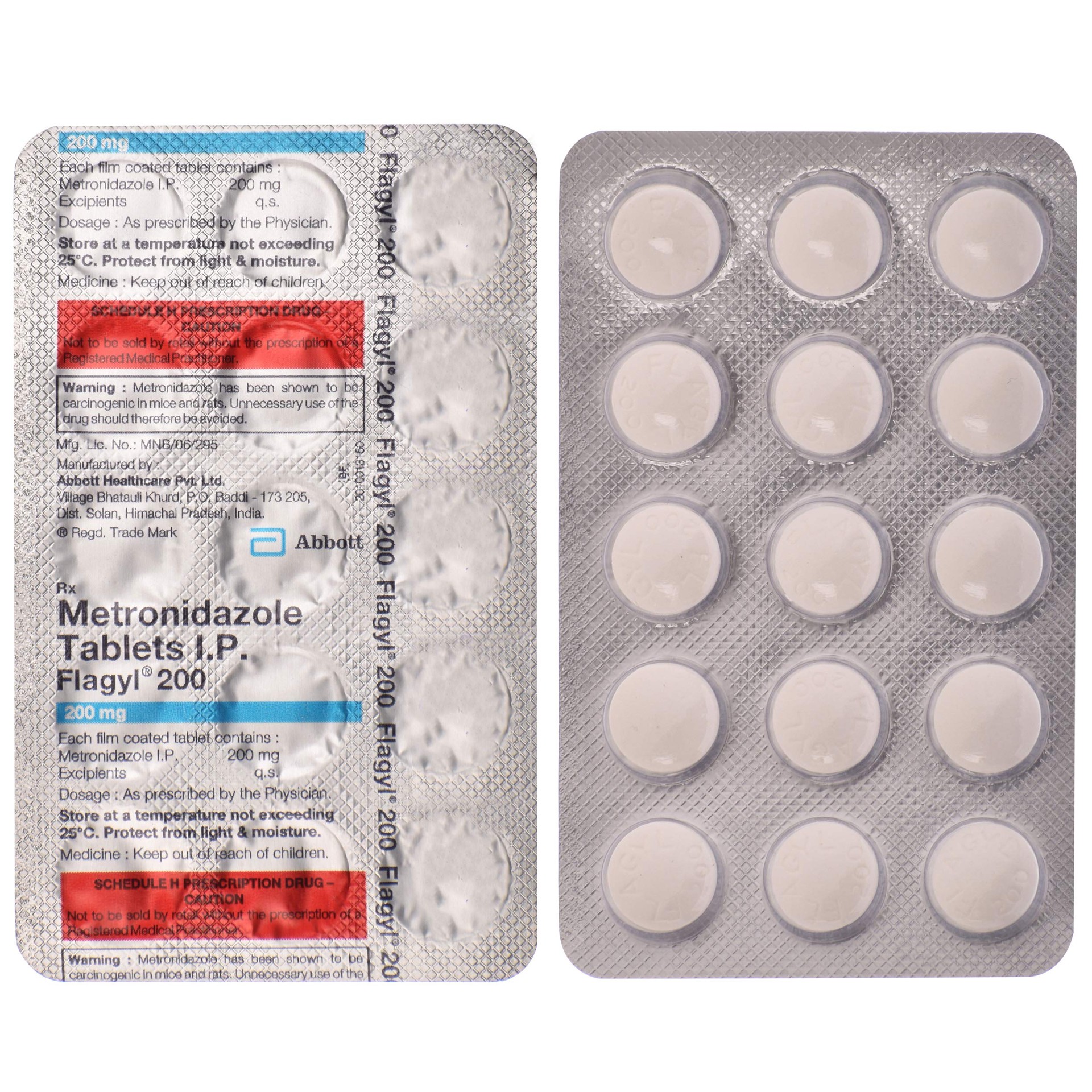
Metronidazole - Particularly effective against anaerobic bacteria, frequently prescribed for dental infections and stomach conditions
Over-the-Counter Antibacterial Options
For minor cuts, wounds, and superficial infections, several topical antibacterial products are available without prescription. Popular choices include Savlon antiseptic cream, which provides broad-spectrum antimicrobial protection, and TCP (Trichlorophenylmethyliodosalicyl), a traditional antiseptic solution trusted by British households for decades. These products offer convenient first-aid treatment for minor bacterial infections.
Generic vs Branded Medications
The UK market provides both generic and branded antibacterial medications, with generic versions typically offering significant cost savings whilst maintaining the same active ingredients and efficacy as their branded counterparts. The NHS often favours generic prescribing to optimise healthcare resources, and patients can be confident that generic antibiotics meet the same rigorous quality standards as branded alternatives. This approach ensures widespread access to effective antibacterial treatments across all socioeconomic groups in the UK.
Proper Use and Safety Guidelines
Taking antibacterials correctly is crucial for effective treatment and preventing complications. Always complete the full course of treatment, even if you feel better before finishing all tablets or doses. Stopping early can allow bacteria to survive and potentially develop resistance, making future infections harder to treat.
Dosage and Timing
Take your antibacterial medicine at the correct intervals as prescribed by your GP or specified on the packaging. Space doses evenly throughout the day - for example, if taking twice daily, aim for every 12 hours. Set reminders on your phone or use a pill organiser to maintain consistent timing.
Side Effects and Medical Advice
Common side effects may include nausea, diarrhoea, or mild stomach upset. Contact your GP immediately if you experience severe symptoms such as persistent vomiting, severe diarrhoea, skin rash, difficulty breathing, or signs of allergic reaction. Always inform healthcare providers about other medications you're taking, as antibacterials can interact with certain drugs including blood thinners and oral contraceptives.
Storage Requirements
Store antibacterials according to package instructions - most should be kept in a cool, dry place away from direct sunlight. Some liquid formulations require refrigeration. Never share antibacterials with others or save leftover medicines for future use.
Antibacterial Resistance and Responsible Use
Antibacterial resistance is a growing concern across the UK, with certain bacteria becoming increasingly difficult to treat due to inappropriate use of antibiotics. The NHS estimates that around 25,000 people die annually in Europe due to antibiotic-resistant infections, making responsible use everyone's responsibility.
Following Prescribed Dosages
Taking the correct dose at the right time helps maintain therapeutic levels in your body needed to eliminate bacteria completely. Under-dosing or skipping doses allows bacteria to survive and potentially develop resistance mechanisms.
When Antibacterials Are Not Appropriate
Antibacterials are ineffective against viral infections such as colds, flu, or most coughs. The NHS advises against demanding antibiotics for these conditions. Your pharmacist can recommend appropriate treatments for viral symptoms, including pain relievers and decongestants.
Never pressure healthcare providers for antibiotics when they're not clinically indicated
Don't share antibacterials with family or friends
Dispose of unused antibacterials properly through pharmacy return schemes
Trust your pharmacist's professional guidance on when antibacterials are necessary
Seeking Professional Advice
Your local pharmacist is your first port of call for minor health concerns and medication advice. Consult your GP when symptoms persist beyond expected timeframes or worsen despite treatment. For children under 12 months, elderly patients, or those with chronic conditions, seek medical advice promptly when infection is suspected.
Emergency Situations
Seek immediate medical attention for signs of severe allergic reactions, including facial swelling, difficulty breathing, or widespread rash. Contact NHS 111 or visit A&E if you experience severe side effects or symptoms suggesting serious infection such as high fever, severe pain, or rapid deterioration.
Report any adverse reactions to the MHRA through the Yellow Card Scheme, available online or via your pharmacist. This helps monitor medicine safety across the UK and protects future patients from potential risks.