What Are Antibiotics and How Do They Work
Definition and purpose of antibiotics
Antibiotics are powerful medicines designed to fight bacterial infections by either killing bacteria or preventing their growth and reproduction. These essential medications have revolutionised modern medicine, enabling healthcare professionals to treat potentially life-threatening bacterial infections effectively. In the UK, antibiotics are prescription-only medicines (POMs) that require proper medical supervision to ensure safe and effective treatment.
Mechanism of action against bacterial infections
Antibiotics work through various sophisticated mechanisms to combat bacterial infections. They target specific components of bacterial cells that are either absent or significantly different in human cells, ensuring selective toxicity against harmful bacteria whilst minimising damage to healthy human tissue. These mechanisms allow antibiotics to disrupt essential bacterial processes, ultimately leading to the elimination of the infection.
Difference between bacteriostatic and bactericidal antibiotics
Antibiotics are classified into two main categories based on their mode of action. Bacteriostatic antibiotics work by inhibiting bacterial growth and reproduction, effectively stopping bacteria from multiplying and allowing the body's immune system to eliminate the existing bacteria. Examples include tetracyclines and macrolides. Bactericidal antibiotics, on the other hand, directly kill bacteria by disrupting vital cellular processes. Penicillins and cephalosporins are prime examples of bactericidal antibiotics commonly prescribed in the UK.
Why antibiotics don't work against viral infections
It's crucial to understand that antibiotics are completely ineffective against viral infections such as the common cold, influenza, or COVID-19. Viruses differ fundamentally from bacteria in their structure and replication methods. Whilst bacteria are independent, single-celled organisms that can be targeted by antibiotics, viruses require host cells to reproduce and lack the cellular structures that antibiotics target. Using antibiotics inappropriately for viral infections contributes to antibiotic resistance and provides no therapeutic benefit.
Brief history of antibiotic discovery and development
The discovery of antibiotics marked a turning point in medical history. Alexander Fleming's accidental discovery of penicillin in 1928 at St. Mary's Hospital in London laid the foundation for the antibiotic era. During the Second World War, penicillin production was scaled up, saving countless lives and establishing the UK as a pioneer in antibiotic development. Since then, numerous classes of antibiotics have been developed, each targeting different aspects of bacterial physiology and expanding treatment options for various infections.
Types of Antibiotics Available in the UK
The UK healthcare system utilises a comprehensive range of antibiotic classes, each with specific indications, mechanisms of action, and clinical applications. Understanding these different types helps ensure appropriate selection for various bacterial infections encountered in clinical practice.
Penicillins
Penicillins remain amongst the most widely prescribed antibiotics in the UK, renowned for their effectiveness and relatively favourable safety profile. This class includes several important medications:
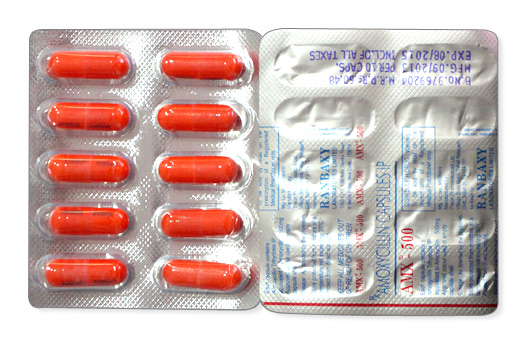
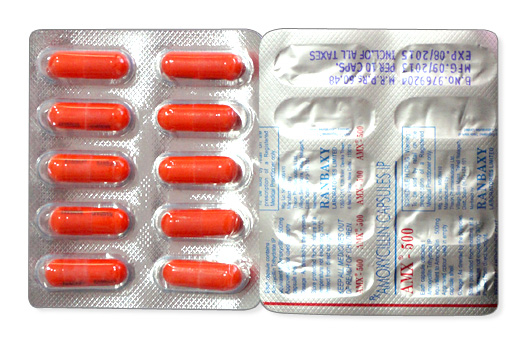
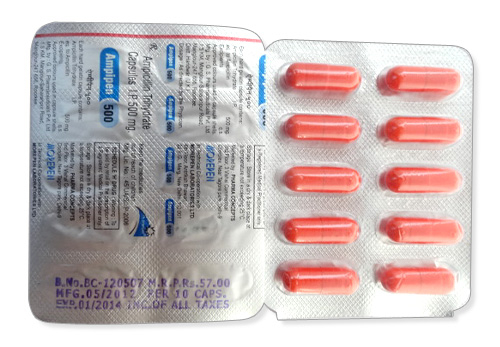
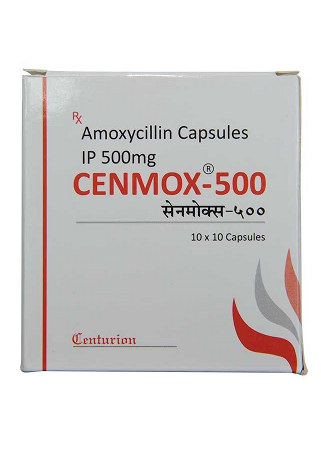
Amoxicillin: A broad-spectrum penicillin commonly prescribed for respiratory tract infections, urinary tract infections, and dental abscesses
Flucloxacillin: Specifically designed to combat penicillin-resistant staphylococcal infections, particularly skin and soft tissue infections
Phenoxymethylpenicillin (Penicillin V): An oral formulation ideal for treating streptococcal throat infections and preventing rheumatic fever
Cephalosporins
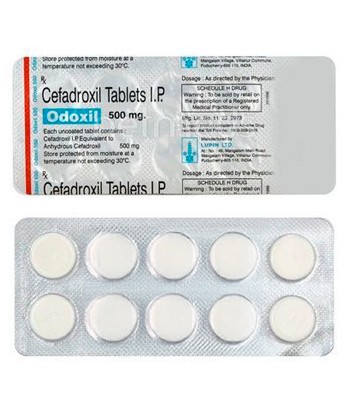
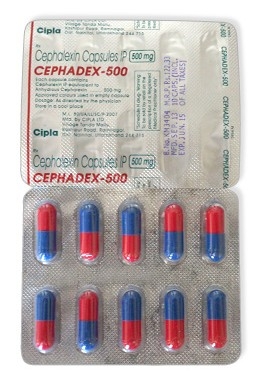
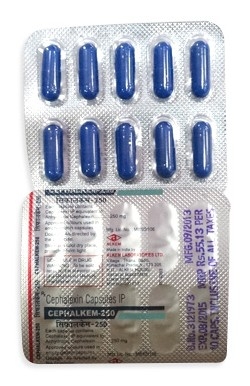
Cephalosporins are β-lactam antibiotics similar to penicillins but with enhanced stability against certain bacterial enzymes. Key examples available in the UK include cefalexin, which is particularly effective for skin, soft tissue, and urinary tract infections, and cefuroxime, often used for more serious infections including pneumonia and complicated urinary tract infections. These antibiotics are valuable alternatives for patients with mild penicillin allergies.
Macrolides
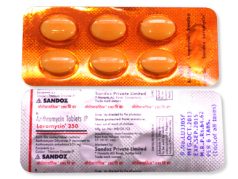
Macrolide antibiotics are particularly valuable for treating respiratory tract infections and serve as excellent alternatives for penicillin-allergic patients. Erythromycin, the original macrolide, remains effective for various infections but may cause gastrointestinal side effects. Clarithromycin offers improved tolerability and enhanced activity against respiratory pathogens, whilst azithromycin provides convenient dosing regimens and excellent tissue penetration, making it ideal for treating chlamydial infections and certain respiratory conditions.
Tetracyclines
Tetracyclines are broad-spectrum bacteriostatic antibiotics with unique applications in UK clinical practice. Doxycycline is frequently prescribed for acne, rosacea, and tick-borne infections, whilst also serving as prophylaxis for malaria in travellers. Traditional tetracycline remains useful for certain specific infections, though doxycycline is generally preferred due to better absorption and tolerability.
Fluoroquinolones
Fluoroquinolones are powerful broad-spectrum antibiotics reserved for serious infections due to their potential for significant side effects. Ciprofloxacin is commonly used for complicated urinary tract infections and certain gastrointestinal infections, whilst levofloxacin provides enhanced activity against respiratory pathogens. The MHRA has issued specific warnings about these antibiotics due to risks of tendon damage and other serious adverse effects.
Aminoglycosides
Aminoglycosides are potent bactericidal antibiotics typically reserved for serious hospital-based infections. Gentamicin is the most commonly used aminoglycoside in the UK, requiring careful monitoring of blood levels to prevent kidney damage and hearing loss. Streptomycin, historically significant as one of the first antibiotics effective against tuberculosis, now has limited use due to resistance and toxicity concerns.
Other classes
Several important antibiotics don't fit into the major classes but play crucial roles in UK clinical practice. Metronidazole is the gold standard for anaerobic bacterial infections and certain protozoal diseases. Trimethoprim is widely used for uncomplicated urinary tract infections, particularly in women. Nitrofurantoin serves as an excellent option for lower urinary tract infections, with the advantage of minimal development of bacterial resistance.
Common Conditions Treated with Antibiotics
Antibiotics are prescribed to treat a wide range of bacterial infections that affect different parts of the body. Understanding when antibiotics are necessary helps ensure proper treatment and supports overall public health.
Respiratory Tract Infections
Bacterial respiratory infections such as chest infections, pneumonia, and sinusitis often require antibiotic treatment. These conditions can cause symptoms including persistent cough, difficulty breathing, chest pain, and thick, discoloured mucus. Your GP will assess whether your symptoms indicate a bacterial rather than viral infection before prescribing antibiotics.
Other Common Bacterial Infections
Antibiotics effectively treat various bacterial infections throughout the body:
Urinary tract infections including cystitis and kidney infections
Skin and soft tissue infections such as cellulitis, impetigo, and wound infections
Ear infections including otitis media and otitis externa
Dental infections and abscesses causing severe tooth pain
Certain sexually transmitted infections
Post-surgical infection prevention in high-risk procedures
It's important to remember that antibiotics are only effective against bacterial infections and will not treat viral conditions such as common colds, flu, or most sore throats.
Antibiotic Resistance and Responsible Use
Antibiotic resistance represents one of the most significant threats to modern healthcare. This occurs when bacteria evolve and develop the ability to survive exposure to antibiotics that would normally kill them or stop their growth. When antibiotics are used inappropriately or unnecessarily, bacteria can adapt and become resistant, making future infections much harder to treat.
Understanding Resistant Bacteria
MRSA (Methicillin-resistant Staphylococcus aureus) is one of the most well-known examples of antibiotic-resistant bacteria, but many other resistant strains exist. These "superbugs" can cause serious infections that are difficult or sometimes impossible to treat with standard antibiotics, leading to longer hospital stays, more expensive treatment, and increased risk of complications.
NHS Guidelines for Responsible Use
The NHS emphasises several key principles for responsible antibiotic use:
Always complete the full prescribed course, even if you feel better
Never share antibiotics with family members or friends
Don't save leftover antibiotics for future use
Store antibiotics properly according to package instructions
Return unused antibiotics to your local pharmacy for safe disposal
Always consult your GP or pharmacist if you have concerns about your antibiotic treatment or experience unexpected side effects during your course of medication.
Side Effects and Safety Information
Whilst antibiotics are generally safe when used correctly, they can cause side effects in some patients. Understanding these potential reactions helps ensure safe and effective treatment.
Common Side Effects
Most antibiotic side effects are mild and temporary. The most frequently reported include nausea, diarrhoea, stomach upset, and abdominal cramping. These gastrointestinal symptoms occur because antibiotics can disrupt the natural balance of bacteria in your digestive system.
Serious Reactions and Safety Considerations
Allergic reactions to antibiotics can range from mild skin rashes to life-threatening anaphylaxis. Seek immediate medical attention if you experience difficulty breathing, severe swelling, or widespread rash. Antibiotics can interact with various medications, including blood thinners and seizure medications. Importantly, some antibiotics may reduce the effectiveness of contraceptive pills, so additional contraception may be necessary.
Take antibiotics with food if stomach upset occurs
Avoid alcohol with certain antibiotics like metronidazole
Consult your GP if you're pregnant or breastfeeding
Complete the full course even if symptoms improve
Getting Antibiotics in the UK - Prescriptions and Availability
In the United Kingdom, antibiotics are classified as prescription-only medicines (POMs), meaning they cannot be purchased without a valid prescription from a qualified healthcare professional.
Obtaining Your Prescription
To access antibiotics, you must first consult your GP, practice nurse, or another prescribing healthcare professional. They will assess your symptoms, determine if antibiotics are appropriate, and prescribe the most suitable treatment. Many surgeries now offer online consultations, making access more convenient.
Prescription Costs and Availability
NHS prescriptions in England cost £9.65 per item, though many patients qualify for free prescriptions, including those under 16, over 60, pregnant, or with certain medical conditions. Prescriptions are free in Scotland, Wales, and Northern Ireland.
Emergency supplies available from pharmacies in certain circumstances
Private prescriptions offer faster access but at higher cost
Online consultations increasingly available through NHS and private services
Urgent care centres can prescribe antibiotics outside surgery hours
If you experience severe symptoms such as difficulty breathing, high fever, or signs of sepsis, seek immediate medical attention through A&E or by calling 999.