What Are Antidepressants and How They Work
Antidepressants are prescription medicines used primarily to treat depressive disorders by altering brain chemistry to improve mood, motivation and overall functioning. They work by changing the levels or activity of neurotransmitters—chemical messengers such as serotonin, noradrenaline and dopamine—that influence mood, sleep and appetite. By increasing the availability or prolonging the action of these neurotransmitters, antidepressants can help rebalance circuits that are underactive or dysregulated in depression.
Beyond major depressive disorder, antidepressants are commonly prescribed for a range of conditions including:
Anxiety disorders (including generalised anxiety and panic disorder)
Obsessive-compulsive disorder (OCD)
Post-traumatic stress disorder (PTSD)
Certain chronic pain conditions (such as neuropathic pain or fibromyalgia)
Some functional gastrointestinal disorders
When starting treatment, many people begin to notice changes within 1–3 weeks—sleep and appetite may improve first—whilst meaningful improvement in mood and activity can take 4–8 weeks or longer. It's common to experience mild side effects early on, such as nausea, headaches, or sleep changes, which often settle with continued use.
Antidepressants must be prescribed and monitored by a healthcare professional in the UK—usually a GP or psychiatrist—because treatment choice, dosing and follow-up depend on diagnosis, medical history, other medications and potential side effects. Regular review ensures the medication is effective and safe, and stopping or switching medications should be done under medical supervision to manage withdrawal and relapse risk.
Types of Antidepressants Available in the UK
Several classes of antidepressants are available in the UK, each with distinct mechanisms and side-effect profiles.
Selective Serotonin Reuptake Inhibitors (SSRIs)
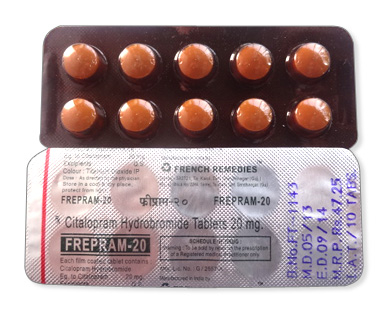
SSRIs such as sertraline and citalopram block the reuptake of serotonin into nerve terminals, increasing serotonin levels in the synaptic gap. They are commonly first-line treatments due to their favourable tolerability profile.
Serotonin and Noradrenaline Reuptake Inhibitors (SNRIs)
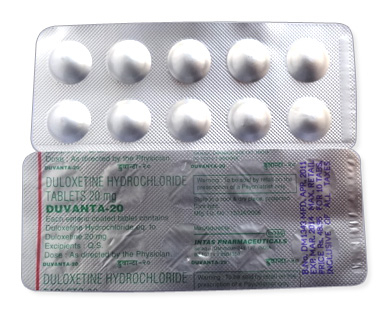
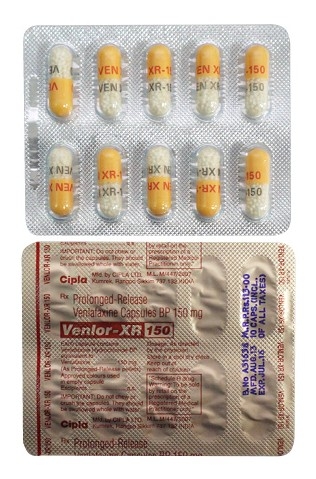
Including venlafaxine and duloxetine, SNRIs inhibit reuptake of both serotonin and noradrenaline, which can be helpful in more severe depression or when pain symptoms coexist.
Tricyclic Antidepressants (TCAs)
Medications like amitriptyline increase levels of noradrenaline and serotonin but also affect other receptors (histamine, muscarinic), accounting for more side effects and a higher overdose risk. They are sometimes used for pain and insomnia at lower doses.
Monoamine Oxidase Inhibitors (MAOIs)
These are older agents that prevent breakdown of monoamines (serotonin, noradrenaline, dopamine) and are effective but require dietary restrictions and careful interactions management, so they're less commonly used.
Atypical Antidepressants
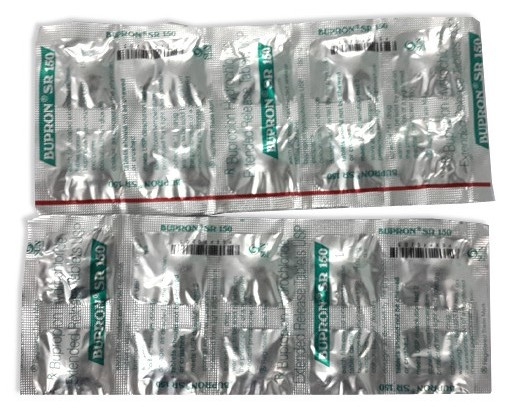
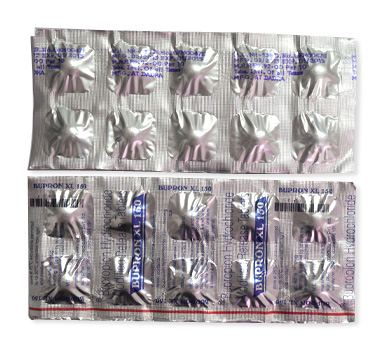
Examples include mirtazapine and bupropion (where available), which have varied mechanisms—some enhance noradrenergic and serotonergic transmission or influence dopaminergic pathways. They may be chosen for particular symptom patterns such as insomnia, low appetite, or sexual side effects.
Choice of antidepressant depends on symptom profile, side-effect risk, comorbidities and drug interactions. Your healthcare provider will work with you to determine the most suitable option for your individual circumstances.
Common Antidepressant Medications in the UK Market
Sertraline (Lustral)
Sertraline is one of the most frequently prescribed SSRIs in the UK, typically started at 50mg daily and adjusted based on patient response. It's particularly suitable for patients experiencing anxiety alongside depression and is often the first-line treatment for panic disorder and social anxiety. The medication is generally well-tolerated and can be taken with or without food.
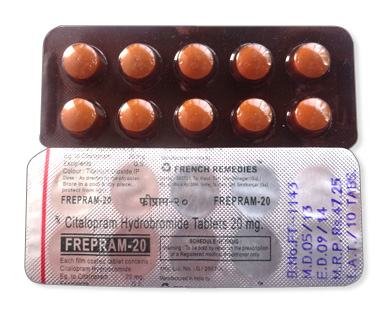
Citalopram (Cipramil)
Citalopram demonstrates excellent effectiveness for moderate to severe depression, with GPs commonly prescribing it due to its favourable side effect profile. The standard starting dose is 20mg daily, with careful monitoring required for patients over 65 or those with heart conditions due to potential cardiac effects.
Fluoxetine (Prozac)
Known for its long half-life, fluoxetine is often chosen for patients concerned about withdrawal symptoms, as it naturally tapers when discontinued. Long-term use is generally safe, though regular reviews are essential to assess continued necessity and monitor for any emerging side effects.
Venlafaxine (Efexor)
This SNRI is typically reserved for severe depression or when SSRIs have proven ineffective. Venlafaxine requires careful blood pressure monitoring and gradual dose adjustments, making it more suitable for patients under specialist care or with treatment-resistant depression.
Amitriptyline
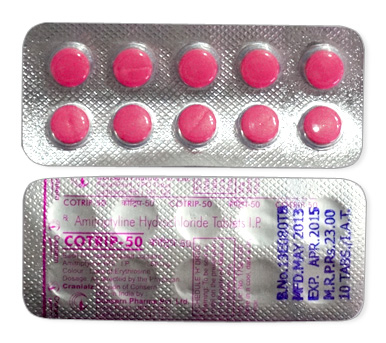
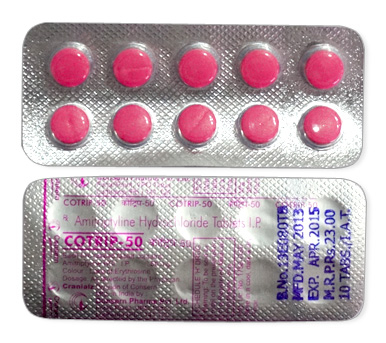
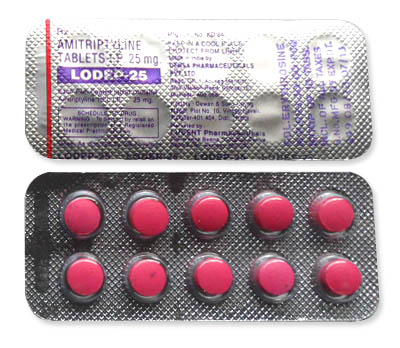
This tricyclic antidepressant serves a dual purpose, effectively treating depression whilst providing pain relief for conditions like neuropathy and chronic pain. Lower doses (10-25mg) are often prescribed for pain management, whilst antidepressant effects typically require higher doses.
Mirtazapine (Zispin)
Particularly beneficial for patients experiencing appetite loss or sleep disturbances alongside depression. Its sedating properties make evening dosing preferable, and it's often chosen for elderly patients or those who've lost significant weight during their depressive episode.
Generic vs Branded Options
The NHS typically prescribes generic formulations to manage costs effectively, though branded versions remain available when clinically necessary. Generic medications contain identical active ingredients and meet the same quality standards as branded alternatives.
Side Effects and Safety Considerations
Common Initial Side Effects
During the first few weeks of treatment, patients commonly experience nausea, headaches, dizziness, and changes in sleep patterns. These effects typically diminish as the body adjusts to the medication, usually within 2-4 weeks of consistent use.
Serious Side Effects Requiring Immediate Medical Attention
Patients should seek urgent medical help if experiencing:
Thoughts of self-harm or suicide, particularly in young adults
Severe allergic reactions including rash, swelling, or breathing difficulties
Serotonin syndrome symptoms: high fever, rapid heartbeat, muscle rigidity
Unusual bleeding or bruising
Severe mood changes or agitation
Drug Interactions and Special Populations
Antidepressants can interact with numerous medications, including blood thinners, other antidepressants, and certain pain relievers. Elderly patients require lower starting doses and more frequent monitoring due to increased sensitivity and slower metabolism. Pregnancy requires careful risk-benefit assessment, with some antidepressants safer than others during different trimesters.
Withdrawal and Discontinuation
Never stop antidepressants abruptly. Gradual dose reduction over several weeks prevents withdrawal symptoms such as dizziness, flu-like symptoms, and "brain zaps." Always consult your GP or pharmacist before making any changes to your medication regimen, as they can provide personalised tapering schedules based on your specific medication and circumstances.
Getting Antidepressants Through UK Healthcare System
NHS Prescription Process and GP Consultations
Accessing antidepressants through the NHS begins with a consultation with your GP or a qualified healthcare professional. During your appointment, your doctor will assess your symptoms, medical history, and current circumstances to determine the most appropriate treatment approach. The initial consultation typically involves discussing your mental health concerns, completing standardised depression questionnaires, and reviewing any previous treatments you may have tried. Your GP may recommend a brief period of monitoring before prescribing medication, particularly for mild depression, where psychological therapies might be offered first.
Private Prescription Options and Costs
Private prescriptions offer an alternative route for obtaining antidepressants, particularly if you prefer shorter waiting times or wish to access specific medications not readily available through NHS prescribing guidelines. Private consultations with psychiatrists or GPs typically cost between £150-£400 for initial assessments, with follow-up appointments ranging from £100-£250. Private prescriptions must still be dispensed by registered pharmacies, and you'll pay the full cost of the medication without NHS subsidies.
Prescription Charges and Exemption Criteria
In England, prescription charges apply to most medications, currently set at £9.65 per item. However, several exemption criteria may apply, including age (under 16 or over 60), pregnancy, certain medical conditions, or low income through benefits. Scotland, Wales, and Northern Ireland offer free prescriptions for all residents. If you require multiple medications regularly, an annual prescription prepayment certificate costing £108.10 can provide significant savings.
Repeat Prescription Services Through Pharmacies
Most pharmacies offer convenient repeat prescription services, allowing you to order your regular antidepressant medication without visiting your GP surgery each time. Many pharmacies provide online ordering systems, automatic reminders, and home delivery services. Community pharmacists can also offer medication reviews and basic mental health support, helping ensure you're getting the most from your treatment whilst monitoring for potential side effects or drug interactions.
Mental Health Referrals and Specialist Consultations
Your GP may refer you to specialist mental health services if your depression is severe, complex, or hasn't responded to initial treatments. These referrals might include Community Mental Health Teams (CMHTs), psychiatrists, or specialist depression clinics. Waiting times vary significantly across the UK, but urgent referrals for severe cases are typically seen within days or weeks. Self-referral options are available in many areas for psychological therapies through Improving Access to Psychological Therapies (IAPT) services.
Patient Access Scheme Availability for Certain Medications
Some newer or specialist antidepressant medications are available through Patient Access Schemes, which provide cost-effective access to treatments that might otherwise be too expensive for routine NHS use. These schemes, negotiated between pharmaceutical companies and the NHS, may offer medications at reduced costs or through specific clinical criteria. Your healthcare provider can advise whether any relevant schemes apply to your particular treatment needs.
Living with Antidepressants: Tips and Support
Establishing Medication Routines and Compliance
Creating a consistent daily routine for taking your antidepressant medication is crucial for treatment success. Most antidepressants work best when taken at the same time each day, helping maintain steady levels in your bloodstream. Consider using smartphone apps, pill organisers, or alarm reminders to help establish this routine. If you miss a dose, take it as soon as you remember, unless it's nearly time for your next dose. Never double up on doses, and contact your pharmacist or GP if you're unsure about missed dose instructions for your specific medication.
Monitoring Mood Changes and Treatment Progress
Keeping a mood diary can help you and your healthcare provider track your progress and identify patterns in your mental health. Note daily mood levels, sleep quality, energy levels, and any side effects you experience. Many people find smartphone apps designed for mood tracking particularly helpful. Remember that antidepressants typically take 4-6 weeks to show their full effect, and some initial side effects may improve as your body adjusts to the medication.
Lifestyle Factors That Enhance Treatment Effectiveness
Combining medication with healthy lifestyle choices can significantly improve treatment outcomes. Regular exercise, even light walking, can enhance the effectiveness of antidepressants and improve overall mental wellbeing. Maintaining good sleep hygiene, eating a balanced diet, and limiting alcohol consumption all support your medication's effectiveness. Some people find mindfulness, meditation, or relaxation techniques helpful alongside their medication regimen.
Support Resources and Mental Health Charities in the UK
Numerous UK organisations provide support for people taking antidepressants and managing depression:
Mind - Offers information, support, and advocacy for mental health conditions
Samaritans - 24/7 emotional support via phone, email, or face-to-face
Depression Alliance - Peer support groups and online communities
Rethink Mental Illness - Information and support for severe mental health conditions
CALM (Campaign Against Living Miserably) - Support specifically for men's mental health
NHS Every Mind Matters - Free online mental health resources and tools
When to Review Medication with Healthcare Providers
Regular medication reviews are essential for optimal treatment outcomes. Schedule follow-up appointments with your GP after 2-4 weeks of starting a new antidepressant, then regularly as advised. Contact your healthcare provider immediately if you experience severe side effects, thoughts of self-harm, or if your depression significantly worsens. Young people under 25 should be monitored particularly closely during the first few weeks of treatment, as some antidepressants may initially increase suicidal thoughts in this age group.
Transitioning Between Different Antidepressant Treatments
Changing from one antidepressant to another requires careful medical supervision and should never be done independently. Your doctor will create a specific plan for transitioning, which might involve gradually reducing your current medication whilst introducing the new one, or a brief medication-free period depending on the specific drugs involved. This process can take several weeks and requires patience, as your body adjusts to the changes. Maintain close contact with your healthcare provider during any medication transitions to monitor for withdrawal symptoms or adverse reactions.