What Are Antifungals and How Do They Work?
Antifungal medications are specialised treatments designed to combat fungal infections that affect various parts of the body. These medicines work by targeting the unique cellular structure of fungi, specifically disrupting their cell walls or interfering with essential processes that fungi need to survive and reproduce. Unlike bacterial infections, fungal infections require specific antifungal compounds because fungi are more similar to human cells than bacteria are.
Antifungals treat a wide range of conditions, from superficial skin infections like athlete's foot and thrush to more persistent nail infections. The key to their effectiveness lies in their ability to target ergosterol, a crucial component of fungal cell membranes that isn't present in human cells. This selective targeting means antifungals can eliminate the infection whilst minimising harm to healthy human tissue.
You should consider antifungal treatment when experiencing persistent itching, unusual discharge, scaling skin, or discoloured nails that don't respond to general hygiene measures. Early treatment typically leads to better outcomes and prevents the infection from spreading or worsening.
Common Fungal Infections Treated in the UK
The UK's climate and lifestyle factors contribute to several prevalent fungal infections that respond well to antifungal treatments. Understanding these conditions helps ensure proper identification and appropriate treatment selection.
Superficial Skin Infections
Athlete's foot (tinea pedis) commonly affects the spaces between toes, causing itching, scaling, and sometimes painful cracks. Jock itch (tinea cruris) appears in the groin area with similar symptoms, whilst ringworm (tinea corporis) creates characteristic circular, scaly patches on the body. These infections thrive in warm, moist environments and are easily transmitted in communal areas like gyms and swimming pools.
Other Common Conditions
Thrush affects many people, presenting as oral candidiasis with white patches in the mouth or vaginal candidiasis causing itching and discharge. Nail fungal infections (onychomycosis) cause thickening, discolouration, and crumbling of nails, particularly toenails. Scalp infections (tinea capitis) are more common in children, causing hair loss and scaling.
Persistent itching and burning sensations
Unusual scaling, peeling, or flaking skin
Discoloured or thickened nails
White patches or unusual discharge
Circular, raised patches with clear centres
Types of Antifungal Medications Available in the UK
The UK market offers a comprehensive range of antifungal medications designed to treat various fungal infections affecting different parts of the body. Understanding the available formats helps ensure you select the most appropriate treatment for your specific condition.
Topical Antifungals
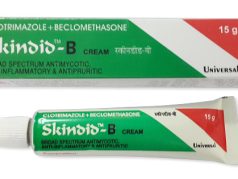
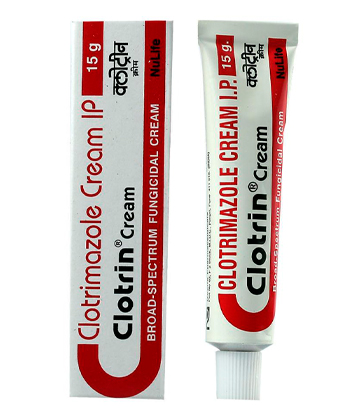
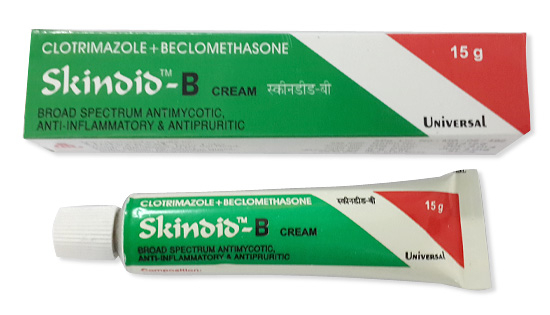
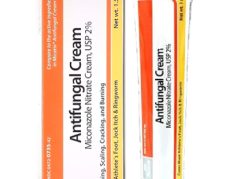
Topical treatments remain the first line of defence against most superficial fungal infections. These include creams for skin conditions like athlete's foot and ringworm, ointments for persistent infections requiring longer contact time, sprays for hard-to-reach areas, and powders that help keep affected areas dry whilst delivering antifungal action.
Oral and Systemic Treatments
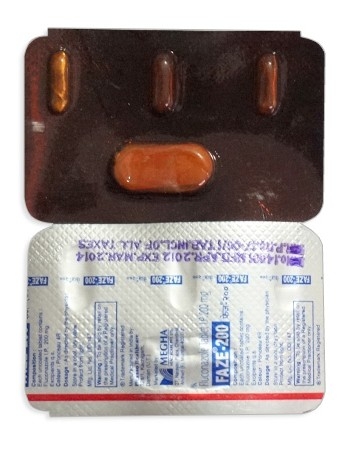
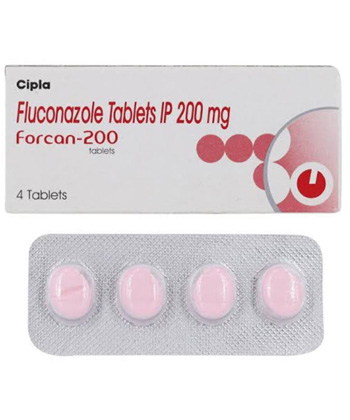
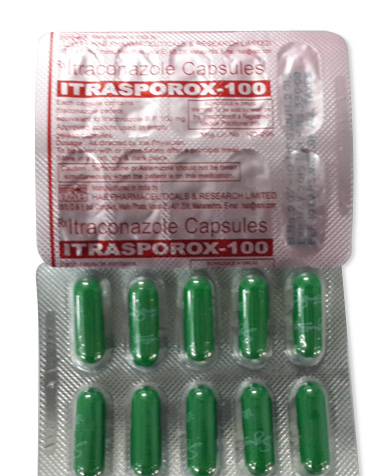
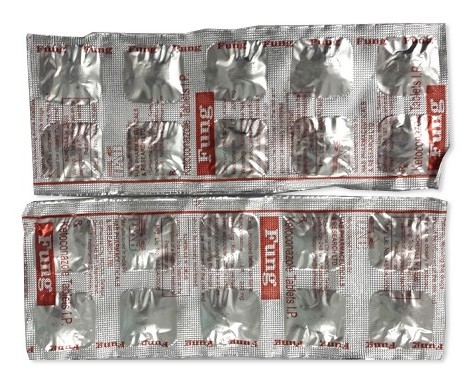
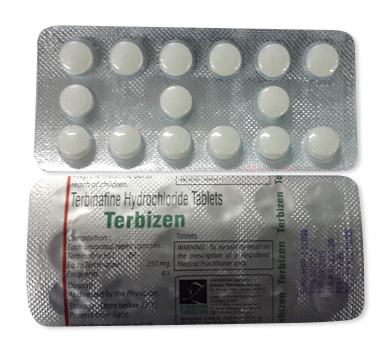
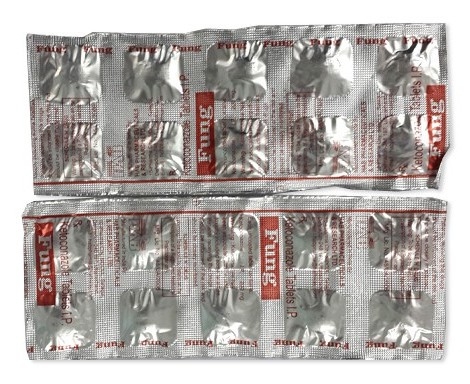
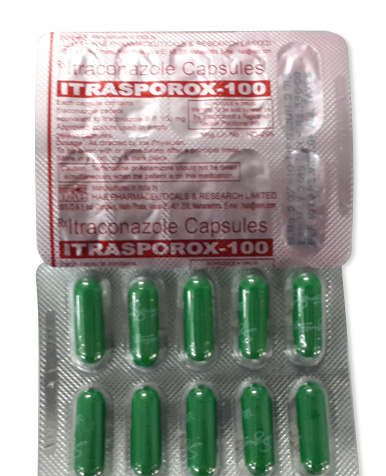
Oral antifungal tablets and capsules are prescribed for more severe or widespread infections that topical treatments cannot adequately address. These systemic treatments are particularly effective for nail infections and recurrent thrush.
Specialised Formulations
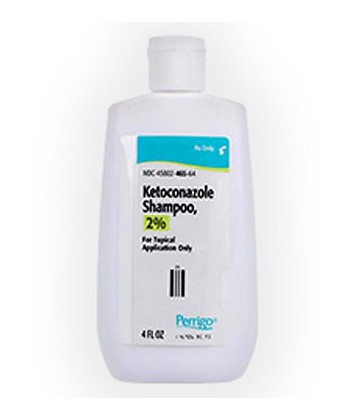
Pessaries and vaginal treatments specifically target vaginal thrush, whilst medicated shampoos and solutions effectively treat scalp conditions such as seborrhoeic dermatitis and fungal scalp infections.
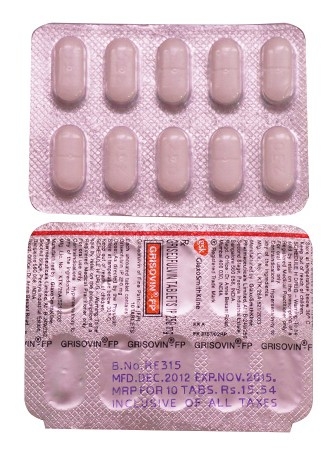
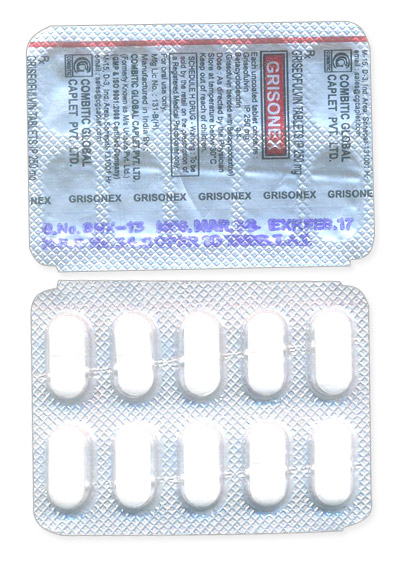
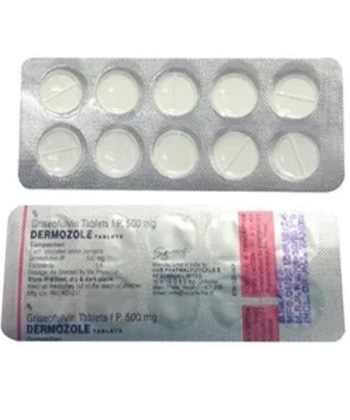
Antifungal medications are categorised as either over-the-counter medicines for common, straightforward infections, or prescription-only medicines for more complex cases. Common active ingredients include clotrimazole, miconazole, terbinafine, ketoconazole, and fluconazole, each offering specific benefits for different types of fungal infections.
Popular Antifungal Products on the UK Market
The UK pharmacy market features several well-established antifungal brands, each offering proven effectiveness against various fungal infections. These trusted products are widely available across British pharmacies and online retailers.
Leading Brand Names
Canesten (clotrimazole) - The UK's most recognisable antifungal brand, offering treatments for thrush, athlete's foot, and general skin infections
Daktarin (miconazole) - Particularly effective for oral thrush and skin infections, available in various formulations
Lamisil (terbinafine) - Renowned for treating stubborn nail fungus and athlete's foot with superior cure rates
Nizoral (ketoconazole) - The gold standard shampoo for treating dandruff and seborrhoeic dermatitis
Diflucan (fluconazole) - Popular single-dose capsules for vaginal thrush treatment
Cost-Effective Alternatives
Generic alternatives containing identical active ingredients offer substantial savings whilst maintaining equivalent therapeutic effectiveness. Many UK pharmacies stock own-brand versions that provide the same clinical outcomes as branded products at considerably lower prices. When comparing brands, effectiveness largely depends on the active ingredient concentration and formulation rather than the brand name itself.
How to Choose the Right Antifungal Treatment
Matching Treatment Type to Infection Location
The location and type of fungal infection determines the most appropriate treatment approach. Topical antifungals work best for superficial skin infections, athlete's foot, and nail fungus, whilst oral medications are typically reserved for systemic infections or when topical treatments have proven ineffective. Vaginal thrush responds well to intravaginal pessaries or oral fluconazole, whereas scalp infections often require systemic treatment.
Treatment Duration and Severity Assessment
Mild infections may clear within 1-2 weeks with topical treatment, whilst more severe or persistent infections might require 4-6 weeks of therapy. Continue treatment for at least one week after symptoms disappear to prevent recurrence. Chronic or recurring infections warrant professional evaluation to rule out underlying conditions such as diabetes or immune system disorders.
Age and Individual Considerations
Children typically respond well to topical treatments, whilst elderly patients may require longer treatment courses. Consider mobility issues when selecting application methods, and always check age restrictions on packaging before use.
Safety, Side Effects, and Important Considerations
Common Side Effects
Topical antifungals may cause mild skin irritation, redness, or burning sensation at the application site. Oral antifungals can occasionally lead to nausea, headache, or digestive upset. Discontinue use if severe reactions occur and consult your pharmacist or GP.
Drug Interactions and Contraindications
Oral antifungals may interact with warfarin, certain antibiotics, and some heart medications. Always inform your pharmacist of current medications before starting treatment. Some antifungals are unsuitable for individuals with liver conditions.
Pregnancy and Breastfeeding
Many topical antifungals are considered safe during pregnancy and breastfeeding, but always consult your pharmacist first. Oral treatments typically require medical supervision during these periods.
Prevention and Proper Use
Keep affected areas clean and dry
Wear breathable, cotton clothing
Avoid sharing towels, shoes, or personal items
Complete the full treatment course even after symptoms improve
Store medications in cool, dry conditions away from direct sunlight
Seek medical advice if symptoms worsen, don't improve within two weeks, or if you develop signs of bacterial infection such as increased pain, swelling, or pus.