Understanding Parasitic Infections
Parasites are organisms that live in or on a host body, deriving nutrients at the host's expense. These unwelcome guests can significantly impact human health, causing a range of symptoms from mild discomfort to severe illness. In the United Kingdom, whilst parasitic infections are less common than in tropical regions, they still affect thousands of people annually, particularly children and those with compromised immune systems.
Common Types of Parasitic Infections in the UK
The most prevalent parasitic infections in Britain include threadworms (pinworms), which are especially common in school-age children, roundworms, and occasionally tapeworms. Less frequently, UK residents may encounter hookworms or whipworms, often contracted during foreign travel or through contaminated food sources.
Recognising Parasitic Infections
Symptoms vary depending on the type of parasite but commonly include persistent itching around the anus (particularly with threadworms), abdominal pain, changes in bowel habits, unexplained weight loss, fatigue, and visible worms in stool. Some individuals may experience nausea, bloating, or digestive disturbances.
Risk factors include poor hygiene practices, close contact with infected individuals, consumption of undercooked meat or contaminated water, and recent travel to endemic areas. Transmission typically occurs through ingesting parasite eggs via contaminated hands, food, or surfaces.
It's crucial to seek medical advice if you suspect a parasitic infection, as proper diagnosis through stool samples or other tests ensures appropriate treatment. Self-diagnosis can lead to ineffective treatment and continued transmission to family members or close contacts.
Intestinal Worm Treatments
Effective antiparasitic medications are readily available in UK pharmacies to treat various intestinal worm infections. Treatment success depends on selecting the appropriate medication for the specific parasite type and following proper dosing protocols.
Threadworm and Roundworm Treatments
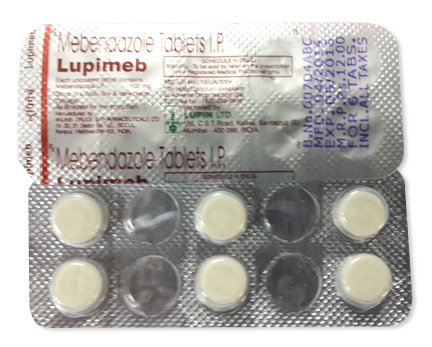
Threadworm infections, the most common parasitic infection in British children, respond well to mebendazole, which is available over-the-counter for adults and children over two years. Roundworm infections typically require prescription medications such as albendazole or mebendazole, administered under medical supervision.
Tapeworm and Other Parasitic Infections
Tapeworm infections necessitate prescription treatments, often involving praziquantel or niclosamide. Hookworm and whipworm infections, whilst less common in the UK, require specific antiparasitic therapy typically involving albendazole or mebendazole.
Common Antiparasitic Medications
Mebendazole - First-line treatment for threadworms and roundworms
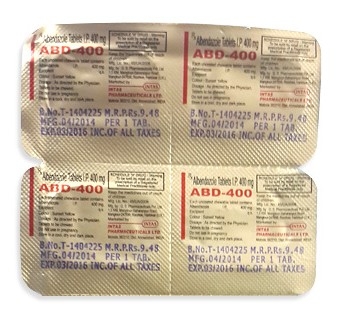
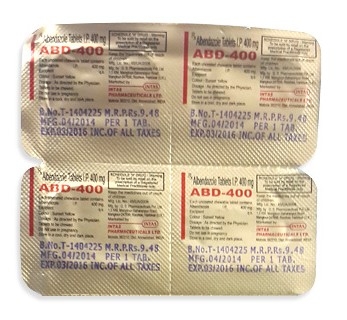
Albendazole - Broad-spectrum antiparasitic for various worm infections
Piperazine - Alternative treatment for roundworms and threadworms
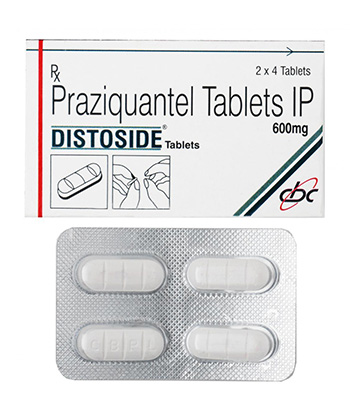
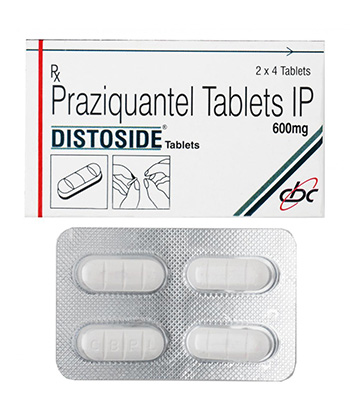
Praziquantel - Specific treatment for tapeworm infections
Treatment duration typically ranges from single-dose therapy for threadworms to several days for more persistent infections. Always complete the full course as prescribed and consider treating household contacts to prevent reinfection.
Antiprotozoal Medications
Antiprotozoal medications are essential treatments for parasitic infections caused by single-celled organisms. These medicines are particularly crucial for travellers visiting areas where protozoal diseases are endemic, as well as for treating infections acquired domestically.
Malaria Prevention and Treatment
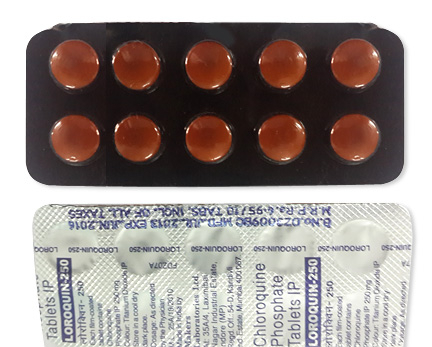
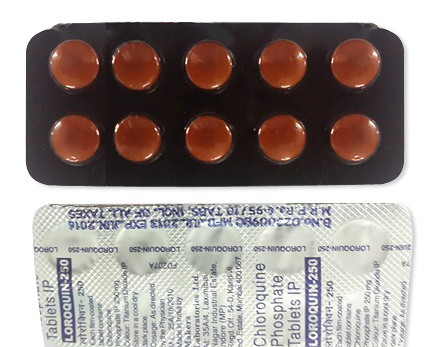
Malaria remains a significant concern for UK travellers visiting tropical regions. Preventive medications such as doxycycline, chloroquine, and mefloquine are prescribed based on the destination's resistance patterns. Treatment protocols vary depending on the malaria species and severity of infection.
Common Protozoal Infections
Several protozoal conditions require specific treatment approaches:
Giardiasis - typically treated with metronidazole or tinidazole
Cryptosporidiosis - supportive care with specific antiprotozoals in severe cases
Amoebic dysentery - metronidazole followed by diloxanide furoate
Toxoplasmosis - combination therapy including sulfadiazine and pyrimethamine
Available Medications and Access
Key antiprotozoal medications include metronidazole, tinidazole, chloroquine, and doxycycline. Most require prescription from a GP or travel clinic. Some pharmacies offer travel health services where qualified pharmacists can prescribe antimalarials. Always consult healthcare professionals before travel to high-risk areas, as medication requirements vary significantly by destination and individual health factors.
Topical Antiparasitic Treatments
Topical antiparasitic treatments provide effective solutions for external parasitic infestations, offering direct application to affected areas with minimal systemic absorption.
Scabies Treatment Options
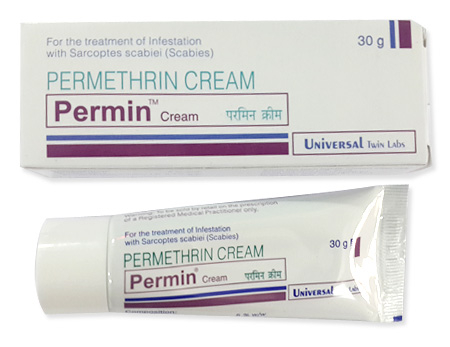
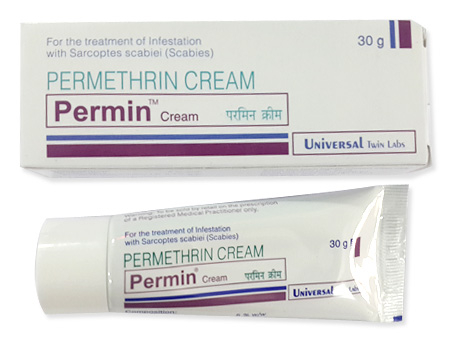
Scabies infestations require prescription treatments in most cases. Permethrin 5% cream is the first-line treatment, applied from neck to toes and left overnight. Malathion 0.5% aqueous solution serves as an alternative. These treatments typically require repeat applications after one week to ensure complete eradication.
Head and Body Lice Solutions
Lice treatments are available both over-the-counter and on prescription. Options include:
Dimeticone-based products - suffocate lice without pesticides
Malathion preparations - effective against resistant strains
Permethrin lotions and shampoos - widely used first-line treatments
Wet combing methods - pesticide-free alternative
Application and Safety Guidelines
Proper application is crucial for treatment success. Always follow manufacturer instructions regarding contact time and repeat treatments. Avoid contact with eyes and broken skin. Pregnant women and young children may require specific formulations. Consult your pharmacist about the most appropriate treatment option for your circumstances and any potential contraindications.
Safety Considerations and Side Effects
Common Side Effects of Antiparasitic Medications
Antiparasitic medications may cause various side effects, which typically vary depending on the specific medication and individual patient factors. Common side effects include nausea, vomiting, diarrhoea, abdominal pain, and headaches. Some patients may experience dizziness, fatigue, or skin reactions such as rashes or itching. Most side effects are mild and resolve once treatment is completed, but it's important to monitor symptoms throughout the course of treatment.
Drug Interactions and Contraindications
Antiparasitic medications can interact with other medicines, potentially affecting their effectiveness or increasing the risk of adverse reactions. Common interactions include blood-thinning medications, certain antibiotics, and medications that affect liver function. Patients should always inform their pharmacist or GP about all medications, supplements, and herbal remedies they are taking. Some antiparasitic drugs are contraindicated in individuals with certain medical conditions, such as liver disease, kidney problems, or specific allergies.
Special Considerations for Pregnant and Breastfeeding Women
Pregnant and breastfeeding women require special consideration when using antiparasitic medications. Some treatments may not be suitable during pregnancy, particularly in the first trimester, whilst others may be considered safe when the benefits outweigh the risks. Healthcare providers will carefully assess each case individually and may recommend alternative treatments or delayed therapy when appropriate. Breastfeeding mothers should discuss treatment options with their healthcare provider to ensure medication safety for both mother and infant.
Paediatric Dosing and Safety Guidelines
Children require carefully calculated dosing based on their age, weight, and the specific parasite being treated. Many antiparasitic medications have different formulations available for paediatric use, including liquid preparations and chewable tablets. Parents should never adjust doses without professional guidance and should ensure children complete the full course of treatment as prescribed. Some medications may not be suitable for very young children, and alternative treatments may be recommended.
Monitoring Requirements During Treatment
Certain antiparasitic treatments require monitoring throughout the course of therapy. This may include regular blood tests to check liver function, kidney function, or blood cell counts. Patients should attend all scheduled appointments and report any concerning symptoms promptly. Healthcare providers will determine the appropriate monitoring schedule based on the specific medication and individual patient risk factors.
When to Contact Healthcare Providers
Patients should contact their healthcare provider immediately if they experience severe side effects, signs of allergic reactions, or symptoms that worsen during treatment. Emergency medical attention should be sought for symptoms such as difficulty breathing, severe skin reactions, persistent vomiting, or signs of liver problems including yellowing of the skin or eyes. Regular follow-up appointments are essential to ensure treatment effectiveness and monitor for any complications.
Prevention and Hygiene Measures
Personal Hygiene Practices to Prevent Reinfection
Maintaining excellent personal hygiene is crucial for preventing parasite reinfection and transmission to others. Key practices include:
Washing hands thoroughly with soap and warm water, especially before eating and after using the toilet
Keeping fingernails short and clean to prevent egg accumulation
Showering daily, particularly in the morning, to remove any eggs deposited overnight
Changing and washing underwear and sleepwear daily in hot water
Avoiding nail-biting and thumb-sucking habits
Using separate towels and personal items during treatment
Household Cleaning and Disinfection Methods
Thorough household cleaning is essential during and after antiparasitic treatment. All bedding, clothing, and towels should be washed in hot water (at least 60°C) and dried on high heat settings. Vacuum carpets, rugs, and upholstery regularly, paying particular attention to bedrooms and areas where infected individuals spend time. Bathroom surfaces, door handles, and other frequently touched areas should be cleaned with appropriate disinfectants. Toys and personal items should be washed or disinfected according to manufacturer guidelines.
Food Safety and Water Purification
Proper food handling and water safety are vital for preventing parasitic infections. Always wash fruits and vegetables thoroughly before consumption, even those that will be peeled. Ensure meat and fish are cooked to appropriate temperatures and avoid consuming raw or undercooked products. When travelling or in areas with questionable water quality, use bottled water or properly purified water for drinking and teeth brushing. Be cautious with ice cubes, salads, and foods that may have been washed in contaminated water.
Travel Precautions and Prophylactic Measures
Travellers to areas with high parasitic infection rates should take appropriate precautions. This includes researching destination-specific risks, consulting with travel health clinics, and considering prophylactic medications when recommended. Protective measures such as using insect repellents, wearing appropriate clothing, and sleeping under treated bed nets may be necessary in certain regions. Travellers should be particularly cautious about food and water sources and seek medical advice if symptoms develop during or after travel.
Family Treatment Considerations
Some parasitic infections require treatment of all household members, even if they are asymptomatic, to prevent reinfection cycles. Healthcare providers will determine whether family treatment is necessary based on the specific parasite and household circumstances. It's important that all family members follow hygiene protocols simultaneously and complete their prescribed treatments as directed. Close contacts may also need to be screened or treated depending on the infection type and transmission risk.
Follow-up Care and Monitoring
Regular follow-up care ensures treatment success and helps prevent reinfection. This may include repeat testing to confirm parasite elimination, monitoring for treatment effectiveness, and assessing for any ongoing symptoms. Patients should attend all scheduled follow-up appointments and report any persistent or recurring symptoms. Healthcare providers may recommend periodic screening for individuals at high risk of reinfection or those living in endemic areas.