Understanding Arthritis: Types and Symptoms
Arthritis is a common condition affecting millions of people across the UK, characterised by inflammation of one or more joints. This inflammation leads to pain, stiffness, and reduced mobility that can significantly impact daily activities. The condition encompasses over 100 different types, each with distinct characteristics and treatment approaches.
Common Types of Arthritis
Osteoarthritis: The most prevalent form, typically affecting older adults as cartilage gradually wears away
Rheumatoid arthritis: An autoimmune condition where the body's immune system attacks healthy joint tissue
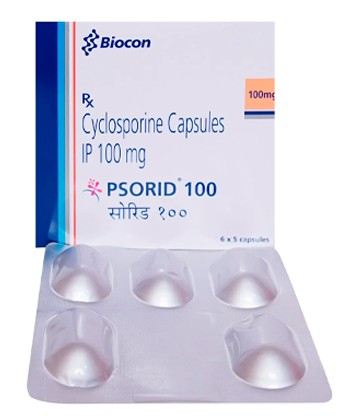
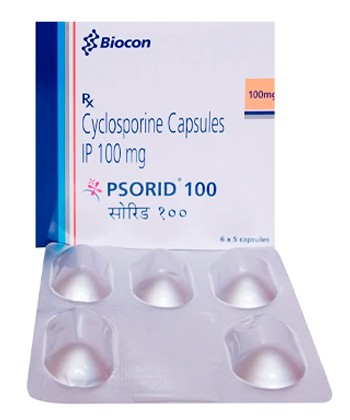
Psoriatic arthritis: Often develops in people with the skin condition psoriasis, affecting joints and tendons
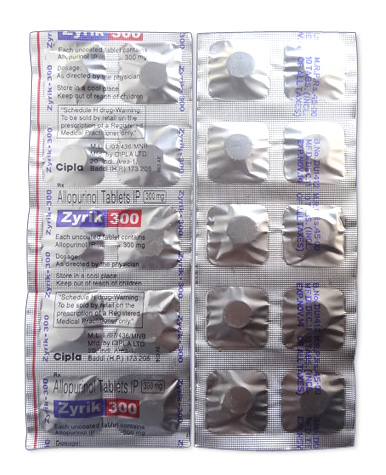
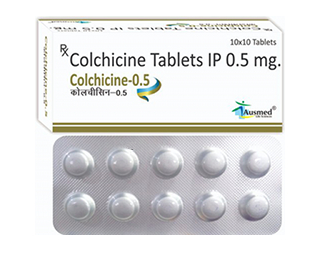
Gout: Caused by uric acid crystal deposits in joints, frequently affecting the big toe
Key symptoms include persistent joint pain, morning stiffness lasting over 30 minutes, visible swelling around affected joints, and decreased range of motion. Risk factors encompass advancing age, family history, previous joint injuries, and obesity, which places additional stress on weight-bearing joints. The condition can significantly affect quality of life, limiting work capabilities, recreational activities, and simple daily tasks like opening jars or climbing stairs.
Over-the-Counter Pain Relief Medications
Several effective over-the-counter medications are available in UK pharmacies to help manage arthritis symptoms, each working through different mechanisms to provide relief.
Paracetamol
Paracetamol remains a first-line treatment for arthritis pain, particularly effective for osteoarthritis. The standard adult dose is 500mg-1000mg every 4-6 hours, with a maximum of 4000mg daily. Brands like Panadol offer reliable pain relief with minimal side effects when used correctly.
NSAIDs (Non-Steroidal Anti-Inflammatory Drugs)
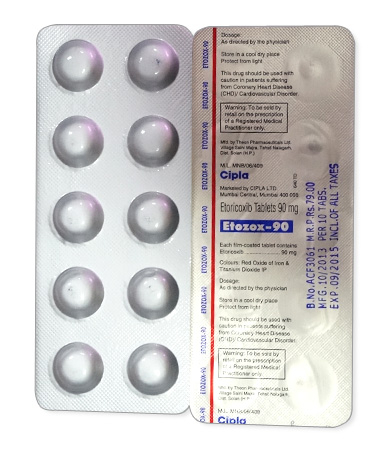
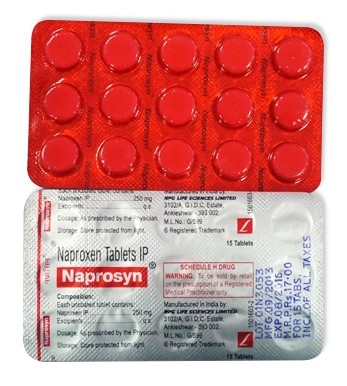
Ibuprofen and other NSAIDs work by reducing inflammation whilst providing pain relief. Popular UK brands include Nurofen and Anadin, typically taken as 200mg-400mg every 6-8 hours. These medications are particularly beneficial for inflammatory types of arthritis.
Safety Considerations
Always adhere to recommended dosages and consult your pharmacist before combining medications. Those with stomach problems, heart conditions, or kidney issues should seek professional advice before using NSAIDs. Consider speaking with your GP if over-the-counter medications provide insufficient relief or if symptoms worsen significantly.
Topical Treatments and Gels
Topical treatments offer targeted relief for arthritis pain by delivering active ingredients directly to affected joints and muscles. Unlike oral medications that work systemically throughout the body, topical preparations provide localised action with minimal systemic absorption, reducing the risk of side effects whilst concentrating relief where it's needed most.
Popular UK brands include Voltarol gel, which contains the anti-inflammatory diclofenac, and Deep Heat products that use heat therapy to ease stiffness. Ibuleve gel provides ibuprofen-based relief, whilst Aspercreme offers salicylate compounds for pain management. These preparations work by penetrating the skin barrier to reach underlying tissues, reducing inflammation and interrupting pain signals.
For maximum effectiveness, apply gels to clean, dry skin using gentle circular motions. Avoid broken skin, eyes, and mucous membranes. Always wash hands thoroughly after application unless treating hands specifically. These treatments are particularly suitable for knee, shoulder, wrist, and ankle joints, but should be used with caution on sensitive areas.
Joint Support Supplements
Nutritional supplements play an increasingly important role in managing arthritis symptoms and supporting joint health. Glucosamine and chondroitin sulphate are among the most researched compounds, with studies suggesting they may help maintain cartilage structure and reduce joint degradation. Whilst evidence remains mixed, many patients report improved comfort and mobility with consistent use of these building blocks of cartilage tissue.
Omega-3 fatty acids, particularly EPA and DHA found in fish oil supplements, demonstrate anti-inflammatory properties that may benefit those with rheumatoid arthritis. Turmeric supplements containing curcumin offer natural anti-inflammatory effects, though absorption can be enhanced when combined with black pepper extract. Vitamin D and calcium work synergistically to maintain bone density, particularly important for preventing osteoporosis alongside arthritis.
Seven Seas and Vitabiotics offer comprehensive joint care formulations
Holland & Barrett provides own-brand glucosamine and turmeric options
Boots Pharmaceuticals stocks clinically dosed omega-3 supplements
Solgar and Nature's Best offer premium supplement ranges
Typical dosages include 1,500mg glucosamine daily, 1,000-2,000mg omega-3, and 500-1,000mg turmeric extract. Take supplements with food to improve absorption and reduce gastric irritation. Always consult your pharmacist before starting supplements, particularly if taking blood-thinning medications, as omega-3 and turmeric can enhance anticoagulant effects.
Heat and Cold Therapy Products
Heat and cold therapy products offer effective, non-pharmaceutical relief for arthritis symptoms and are readily available from UK pharmacies. Heat therapy, including warming gels and heat patches, helps to relax stiff joints, improve circulation, and reduce muscle tension around affected areas. These products are particularly beneficial for chronic arthritis pain and morning stiffness.
Cold therapy options, such as ice packs and cooling gels, are ideal for managing acute inflammation and swelling during arthritis flare-ups. Many UK pharmacies stock reusable heat pads, electric heating options, and instant cold packs for convenient home treatment.
Understanding when to use heat versus cold treatment is crucial: apply heat for chronic stiffness and before gentle exercise, whilst cold therapy works best for acute inflammation and after activity. Always follow safety guidelines, including temperature limits and application duration, and avoid direct skin contact with extreme temperatures to prevent burns or frostbite.
Lifestyle Management and Prevention
Effective arthritis management extends far beyond medication, encompassing comprehensive lifestyle modifications that can significantly impact joint health and overall quality of life. Regular gentle exercise and physiotherapy play fundamental roles in maintaining joint mobility, strengthening supporting muscles, and preventing further deterioration. Swimming, walking, and tai chi are particularly beneficial low-impact activities recommended by UK health professionals.
Weight management proves crucial for reducing pressure on weight-bearing joints, with even modest weight loss providing substantial relief for knee and hip arthritis sufferers. Dietary considerations include incorporating anti-inflammatory foods such as:
Fatty fish rich in omega-3 fatty acids
Leafy green vegetables and colourful fruits
Nuts, seeds, and olive oil
Turmeric and ginger for their natural anti-inflammatory properties
Quality sleep directly impacts inflammation levels and pain perception, making proper rest essential for arthritis management. Seek professional medical advice when experiencing persistent joint pain, swelling, or reduced mobility. Complementary approaches, including acupuncture and massage therapy, can effectively supplement conventional treatments when used alongside prescribed medications as part of a comprehensive long-term management strategy.