Understanding Cancer and Its Treatment
Cancer is a complex group of diseases characterised by the uncontrolled growth and spread of abnormal cells throughout the body. When normal cellular processes become disrupted, cells can multiply rapidly and form tumours, which may invade surrounding tissues or spread to distant parts of the body through a process called metastasis. Understanding how cancer develops helps patients and healthcare providers work together to create effective treatment strategies.
Common Cancer Types in the UK
The most frequently diagnosed cancers in the United Kingdom include breast cancer, lung cancer, prostate cancer, and colorectal cancer, which together account for more than half of all new cancer cases. Other significant types include skin cancer (particularly melanoma), kidney cancer, and blood cancers such as leukaemia and lymphoma. Each type requires specialised treatment approaches tailored to its specific characteristics and progression patterns.
Treatment Approaches and Supportive Care
Modern cancer treatment employs several key strategies, often used in combination for optimal results. Chemotherapy uses powerful medications to destroy cancer cells throughout the body, whilst targeted therapy focuses on specific molecular features of cancer cells. Hormone therapy blocks hormones that fuel certain cancers, and immunotherapy harnesses the body's immune system to fight the disease.
Supportive medications play a crucial role in cancer care by managing treatment side effects and improving patients' quality of life. These include anti-nausea medications, pain relief treatments, and drugs to support blood cell production. Early detection through NHS screening programmes and regular medical supervision remain fundamental to successful cancer outcomes, enabling healthcare providers to intervene when treatments are most effective.
Chemotherapy Medications Available in the UK
Chemotherapy remains a cornerstone of cancer treatment, working by interfering with cancer cells' ability to divide and multiply. These powerful medications target rapidly dividing cells throughout the body, making them particularly effective against aggressive cancers. The NHS provides comprehensive access to a wide range of chemotherapy drugs, ensuring patients receive appropriate treatment regardless of their financial circumstances.
Commonly Prescribed Chemotherapy Drugs
Several well-established chemotherapy medications form the backbone of cancer treatment protocols in the UK:
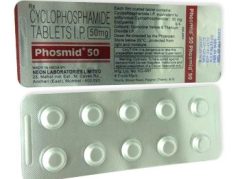
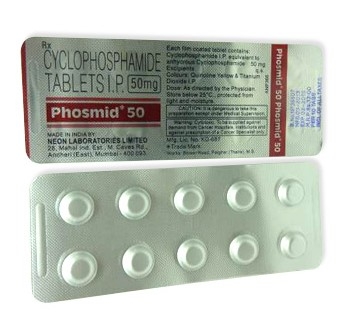
Cyclophosphamide - used for lymphomas, breast cancer, and autoimmune conditions
Doxorubicin - effective against breast cancer, soft tissue sarcomas, and blood cancers
Carboplatin - commonly prescribed for ovarian, lung, and head and neck cancers
Paclitaxel - derived from the Pacific yew tree, used for breast, ovarian, and lung cancers
Administration Methods and Treatment Options
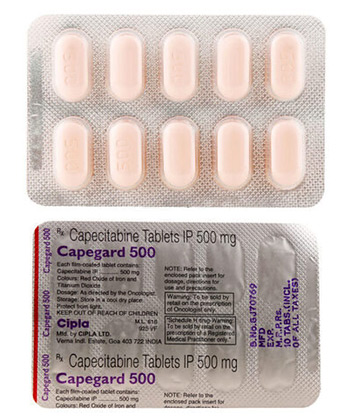
Oral chemotherapy options offer patients greater convenience and flexibility in their treatment schedules. Capecitabine, often used for colorectal and breast cancers, allows patients to take treatment at home whilst maintaining regular monitoring appointments. Temozolomide provides an effective oral option for brain tumours and certain blood cancers.
Injectable and infusion-based treatments are administered in hospital oncology units or specialised treatment centres. These sessions typically follow structured cycles, allowing the body time to recover between treatments. Both NHS hospitals and private healthcare providers offer these services, with treatment plans carefully coordinated between oncology teams to ensure optimal timing and dosing for each individual patient.
Targeted Therapy and Immunotherapy Options
Targeted therapies represent a revolutionary advancement in cancer treatment, offering more precise approaches than conventional chemotherapy. These medications are designed to attack specific cancer cell characteristics whilst minimising damage to healthy tissue, resulting in fewer side effects and improved patient outcomes.
Targeted Cancer Medications
Modern targeted therapies include several groundbreaking treatments available through the NHS. Trastuzumab (Herceptin) specifically targets HER2-positive breast cancers, whilst Rituximab proves effective against certain blood cancers by targeting CD20 proteins. Bevacizumab (Avastin) works by inhibiting blood vessel formation that tumours require for growth, making it valuable across multiple cancer types.
Tyrosine Kinase Inhibitors and Immunotherapy
Tyrosine kinase inhibitors such as Imatinib, Erlotinib, and Gefitinib block specific enzymes that cancer cells need to multiply. These oral medications have transformed treatment for chronic myeloid leukaemia and lung cancers. Immunotherapy drugs like Pembrolizumab and Nivolumab enhance the body's natural immune system to recognise and destroy cancer cells more effectively.
Personalised Medicine Approach
Unlike traditional chemotherapy that affects all rapidly dividing cells, targeted therapies work by identifying specific genetic mutations or proteins unique to individual cancers. Genetic testing determines which patients will benefit most from particular treatments, ensuring optimal therapeutic outcomes. The NHS Cancer Drug Fund and NICE approvals ensure access to these innovative treatments when clinically appropriate, with regular assessments determining funding eligibility based on clinical evidence and cost-effectiveness.
Hormone Therapy for Hormone-Sensitive Cancers
Hormone therapy plays a crucial role in treating cancers that depend on hormones for growth, particularly breast and prostate cancers. These treatments work by either blocking hormone receptors or reducing hormone production, effectively starving hormone-sensitive tumours of the fuel they need to proliferate.
Breast Cancer Hormone Treatments
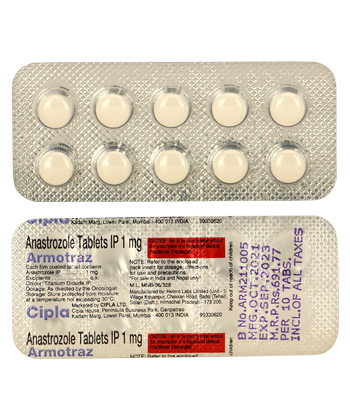
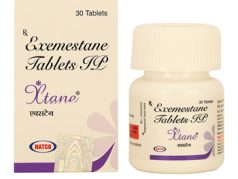
For hormone receptor-positive breast cancers, several effective medications are available through the NHS. Tamoxifen remains a cornerstone treatment, particularly for pre-menopausal women, blocking oestrogen receptors for typically five to ten years. Aromatase inhibitors including Anastrozole, Letrozole, and Exemestane are primarily used in post-menopausal women, preventing oestrogen production in peripheral tissues.
Prostate Cancer Hormone Therapy
Prostate cancer treatment utilises various hormone-blocking approaches. Key medications include:
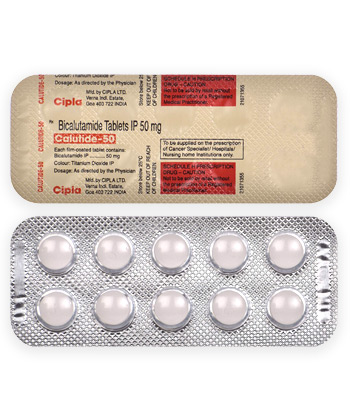
Bicalutamide - blocks androgen receptors directly
Goserelin - reduces testosterone production through monthly injections
Leuprorelin - provides similar testosterone suppression with flexible dosing schedules
Treatment Protocols and Monitoring
Hormone therapy typically requires long-term commitment, often spanning five to ten years depending on cancer type and individual circumstances. Regular monitoring includes bone density scans, liver function tests, and cardiovascular health assessments. Many patients receive combination approaches, integrating hormone therapy with surgery, radiotherapy, or chemotherapy for optimal outcomes. Healthcare teams provide comprehensive support throughout treatment, managing side effects and adjusting protocols based on individual response and tolerance.
Supportive Care Medications
Cancer treatment often requires comprehensive supportive care to manage side effects and maintain quality of life throughout the treatment journey. Our pharmacy stocks a complete range of supportive medications to help patients cope with the challenges of cancer therapy.
Anti-nausea medications
Nausea and vomiting are common side effects of chemotherapy and radiotherapy. We provide effective antiemetic medications including Ondansetron (Zofran), which blocks serotonin receptors to prevent chemotherapy-induced nausea. Metoclopramide helps with gastric emptying and reduces nausea, whilst Domperidone offers an alternative option for patients who cannot tolerate other anti-sickness medications. These medicines are available on NHS prescription and can significantly improve comfort during treatment.
Pain management options
Effective pain control is crucial for cancer patients. Our pain management solutions include strong opioid medications such as Morphine in various formulations, including immediate-release and modified-release tablets. Fentanyl patches provide continuous pain relief for patients requiring round-the-clock medication, whilst Tramadol offers a suitable option for moderate pain management. All opioid medications require careful monitoring and are dispensed according to strict protocols to ensure patient safety.
Infection prevention
Cancer patients often have compromised immune systems, making infection prevention vital. We stock a comprehensive range of antibiotics for bacterial infections and antifungal treatments for opportunistic fungal infections. Prophylactic medications may be prescribed to prevent infections in high-risk patients, particularly those undergoing intensive chemotherapy regimens.
Blood count support
Chemotherapy can suppress bone marrow function, leading to low blood cell counts. Filgrastim (G-CSF) stimulates white blood cell production to reduce infection risk, whilst Epoetin alfa helps manage anaemia by stimulating red blood cell production. These specialist medications require refrigerated storage and careful handling, which our trained pharmacy team manages according to best practice guidelines.
Mouth care and skin protection products
Cancer treatments can cause oral mucositis and skin sensitivity. We offer specialised mouth care products including antimicrobial mouthwashes, protective gels, and healing rinses. Our skin protection range includes gentle cleansers, barrier creams, and products specifically formulated for radiation-damaged skin. These items help maintain comfort and prevent complications during treatment.
Nutritional supplements for cancer patients
Maintaining proper nutrition during cancer treatment is essential for recovery and treatment tolerance. Our range includes high-protein supplements, vitamin and mineral preparations, and specialised nutritional products designed for cancer patients. These supplements can help address treatment-related appetite loss and ensure adequate nutrient intake throughout the treatment period.
Accessing Cancer Medications in the UK
Understanding how to access cancer medications through the UK healthcare system is essential for patients and their families. The process involves multiple pathways, each with specific requirements and benefits.
NHS prescription process and specialist oncology services
Most cancer medications are prescribed through NHS specialist oncology services following diagnosis and treatment planning by a multidisciplinary team. Patients typically receive their medications through hospital pharmacies or designated community pharmacies with specialist cancer services. The process begins with referral to an oncology consultant who develops a personalised treatment plan and monitors progress throughout therapy.
Private prescription options and costs
Private prescriptions may be considered when NHS funding is not available or for faster access to certain treatments. Costs can vary significantly depending on the medication, with some newer cancer drugs being particularly expensive. Patients considering private treatment should discuss costs thoroughly with their healthcare provider and consider whether private medical insurance covers the specific treatments required.
Cancer Drug Fund eligibility and application process
The Cancer Drug Fund provides access to cancer medications that are not routinely funded by the NHS but show promise for treating specific conditions. Eligibility criteria include:
Meeting specific clinical criteria for the particular cancer type
Having exhausted standard NHS treatment options
Demonstrating potential clinical benefit from the requested medication
Application through an NHS consultant oncologist
Regular monitoring and outcome reporting requirements
NICE guidelines and approved treatments
The National Institute for Health and Care Excellence (NICE) evaluates cancer medications for effectiveness and cost-effectiveness. NICE-approved treatments are routinely available through the NHS, whilst those still under evaluation may be accessed through other funding routes. NICE guidelines also provide evidence-based recommendations for treatment sequences and patient selection criteria, ensuring optimal use of available therapies.
Clinical trials and compassionate use programmes
Clinical trials offer access to innovative treatments before they become widely available. The UK has numerous cancer research centres conducting international trials. Compassionate use programmes, also known as expanded access programmes, may provide pre-approval access to promising treatments for patients with limited options. These programmes require careful evaluation of potential benefits and risks.
Patient support programmes from pharmaceutical companies
Many pharmaceutical companies offer patient support programmes that provide additional services beyond medication supply. These programmes may include nursing support, injection training, side effect management advice, and sometimes financial assistance. Patients should enquire about available support programmes when starting new treatments, as these services can significantly enhance treatment experience and outcomes.
Importance of regular monitoring and follow-up care
Cancer treatment requires continuous monitoring to assess effectiveness and manage side effects. Regular blood tests, imaging studies, and clinical assessments ensure treatments remain appropriate and safe. Patients must attend scheduled appointments and report any concerning symptoms promptly. Our pharmacy team works closely with oncology services to ensure medication supply continuity and provide additional support when needed.