Understanding Cardiovascular Diseases
Cardiovascular diseases (CVD) encompass a range of conditions affecting the heart and blood vessels, including coronary heart disease, stroke, heart failure, and peripheral arterial disease. These conditions remain the leading cause of death globally and represent a significant health challenge in the United Kingdom.
The most common cardiovascular conditions affecting the UK population include coronary artery disease, hypertension, atrial fibrillation, and heart failure. According to the British Heart Foundation, approximately 7.6 million people in the UK live with heart and circulatory diseases, with one person dying every three minutes from cardiovascular-related causes.
Key risk factors include high blood pressure, elevated cholesterol levels, smoking, diabetes, obesity, physical inactivity, and family history. Many of these factors are modifiable through lifestyle changes such as maintaining a healthy diet, regular exercise, smoking cessation, and stress management.
Early diagnosis and prompt treatment are crucial for preventing complications and improving outcomes. Regular health screenings, including blood pressure checks and cholesterol monitoring, can identify cardiovascular risks before symptoms develop, enabling timely intervention and potentially life-saving treatment.
High Blood Pressure (Hypertension) Management
Hypertension, commonly known as high blood pressure, affects approximately 16 million adults in the UK. Often called the "silent killer," this condition typically presents no obvious symptoms whilst gradually damaging blood vessels and organs, significantly increasing the risk of heart attack, stroke, and kidney disease.
Blood Pressure Classifications
Blood pressure readings are measured in millimetres of mercury (mmHg) and consist of two numbers: systolic (pressure when the heart beats) over diastolic (pressure when the heart rests). Normal blood pressure is below 120/80 mmHg, whilst readings consistently above 140/90 mmHg indicate hypertension requiring medical attention.
Treatment Options
Management typically begins with lifestyle modifications including dietary changes, regular exercise, weight management, and reduced alcohol consumption. When medication becomes necessary, several classes of antihypertensive drugs are available:
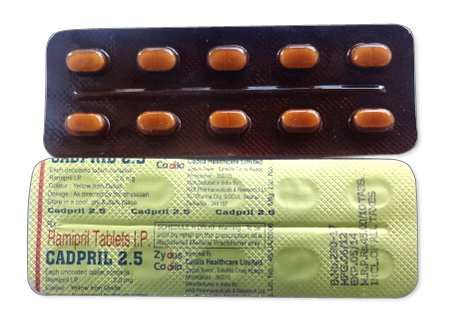
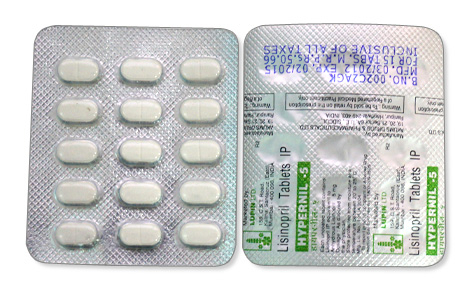
ACE inhibitors: Ramipril, Lisinopril, and Perindopril help relax blood vessels
Calcium channel blockers: Amlodipine and Nifedipine prevent calcium from entering heart muscle cells
Beta-blockers: Atenolol, Bisoprolol, and Metoprolol reduce heart rate and cardiac output
Diuretics: Bendroflumethiazide and Indapamide help eliminate excess sodium and water
ARBs: Losartan, Candesartan, and Valsartan block angiotensin receptors
Regular monitoring through home blood pressure checks and routine GP appointments ensures optimal control. Combination therapies are often prescribed when single medications prove insufficient for achieving target blood pressure levels.
Heart Disease and Coronary Artery Disease
Heart disease remains one of the leading health concerns across the UK, with coronary artery disease being the most prevalent form. Common conditions we help manage include stable angina, unstable angina, myocardial infarction, and coronary heart disease. Early recognition and proper treatment are essential for maintaining heart health and preventing serious complications.
Angina and Heart Attack Management
Angina typically presents as chest pain or discomfort during physical exertion or stress. Our pharmacists can provide guidance on recognising symptoms and managing episodes effectively. For heart attack prevention and recovery, we stock a comprehensive range of evidence-based medications prescribed by your GP or cardiologist.
Available UK Medications
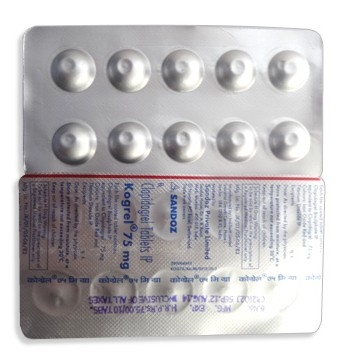
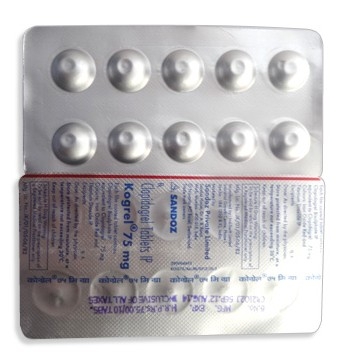
Antiplatelet agents including aspirin and clopidogrel for blood clot prevention
Statins such as atorvastatin, simvastatin, and rosuvastatin for cholesterol management
Nitrates including glyceryl trinitrate spray and isosorbide mononitrate tablets
Beta-blockers for heart protection and rhythm control
We also provide emergency medications like GTN spray and can advise on proper usage. Cardiac rehabilitation support includes lifestyle counselling and medication adherence guidance. Always seek immediate medical attention for chest pain lasting more than 15 minutes, particularly if accompanied by breathlessness or nausea.
Cholesterol Management and Lipid Disorders
Understanding and managing cholesterol levels is crucial for cardiovascular health. Your lipid profile measures total cholesterol, LDL (bad cholesterol), HDL (good cholesterol), and triglycerides. NHS guidelines recommend maintaining LDL cholesterol below 2.0 mmol/L for most adults, with stricter targets for high-risk patients.
Treatment Approaches
Lifestyle modifications form the foundation of cholesterol management, including dietary changes, regular exercise, and smoking cessation. However, many patients require medication to achieve target levels effectively.
Statin Therapy Options
We stock the full range of statin medications available on NHS prescription:
First-line treatments: Atorvastatin (most potent) and simvastatin (cost-effective option)
Alternative options: Pravastatin and fluvastatin for patients with specific tolerability issues
Rosuvastatin for patients requiring maximum LDL reduction
Ezetimibe as add-on therapy when statins alone are insufficient
Our pharmacists monitor for potential side effects including muscle pain and liver function changes. We provide regular medication reviews and liaise with your GP regarding any concerns. Specialist cardiology referral may be necessary for familial hypercholesterolaemia or when standard treatments prove inadequate for achieving lipid targets.
Stroke Prevention and Anticoagulation Therapy
Strokes occur when blood flow to the brain is interrupted, either through blockage (ischaemic stroke) or bleeding (haemorrhagic stroke). Key risk factors include atrial fibrillation, hypertension, diabetes, and advancing age. Atrial fibrillation significantly increases stroke risk by allowing blood clots to form in the heart's irregular rhythm.
Anticoagulation Medications Available in the UK
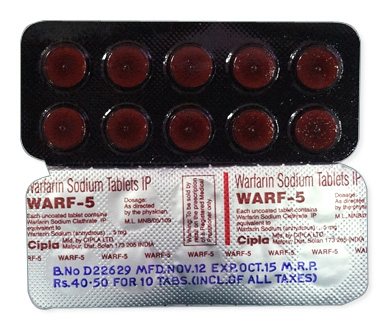
Warfarin remains a cornerstone treatment requiring regular INR monitoring to maintain therapeutic levels between 2.0-3.0. Direct oral anticoagulants (DOACs) offer convenient alternatives without routine monitoring requirements:
Rivaroxaban - taken once or twice daily depending on indication
Apixaban - typically twice daily dosing
Dabigatran - twice daily with specific dietary considerations
Edoxaban - once daily administration
Antiplatelet therapy, particularly aspirin and clopidogrel, provides stroke prevention for specific patient groups. All anticoagulants carry bleeding risks, requiring careful patient assessment and regular review. Emergency reversal agents, including vitamin K for warfarin and specific antidotes for DOACs, are available when urgent reversal is necessary. Dosage adjustments may be required based on kidney function, age, and drug interactions.
Heart Failure Management
Heart failure occurs when the heart cannot pump blood effectively, causing symptoms including breathlessness, fatigue, ankle swelling, and reduced exercise tolerance. The condition progresses through four stages, from high risk to advanced symptomatic disease. Lifestyle modifications including salt restriction, fluid monitoring, and regular gentle exercise form essential management components.
UK-Available Heart Failure Medications
Evidence-based treatments available through UK pharmacies include ACE inhibitors (ramipril, enalapril) and ARBs (losartan, candesartan) for heart protection and blood pressure control. Beta-blockers specifically licensed for heart failure include:
Bisoprolol - once daily selective beta-blocker
Carvedilol - twice daily with additional alpha-blocking properties
Nebivolol - once daily with additional nitric oxide effects
Diuretics manage fluid retention, with furosemide and bumetanide being most commonly prescribed. Aldosterone antagonists like spironolactone and eplerenone provide additional heart protection. Newer combination therapies including sacubitril/valsartan offer enhanced outcomes for suitable patients. Daily weight monitoring helps detect fluid accumulation early. Patients should seek urgent medical attention for sudden weight gain, increased breathlessness, or chest pain. Advanced heart failure may require palliative care discussions focusing on symptom control and quality of life.