Understanding Cholesterol and Its Impact on Health
Cholesterol is a waxy, fat-like substance naturally produced by your liver and found in certain foods. While your body needs cholesterol to build healthy cells and produce hormones, elevated levels in your blood can significantly increase your risk of cardiovascular disease.
Types of Cholesterol
Understanding the different types of cholesterol is crucial for managing your health. Low-density lipoprotein (LDL) is often called "bad" cholesterol because it can build up in your artery walls, creating dangerous blockages. High-density lipoprotein (HDL) is known as "good" cholesterol as it helps transport cholesterol back to your liver for disposal. Triglycerides are another type of blood fat that, when elevated, can increase your heart disease risk.
Risk Factors and Health Consequences
Several factors can elevate your cholesterol levels, including poor diet, lack of physical activity, smoking, obesity, and genetics. High cholesterol often has no symptoms, making it a "silent" condition that can lead to serious health consequences such as heart attack, stroke, and peripheral artery disease.
Recommended Levels and Medical Advice
For most adults, total cholesterol should be below 5mmol/L, with LDL below 3mmol/L and HDL above 1mmol/L for men or 1.2mmol/L for women. The NHS recommends regular cholesterol screening, particularly if you're over 40 or have risk factors for heart disease.
Lifestyle Management for Cholesterol Control
Heart-Healthy Eating Patterns
Adopting a Mediterranean-style diet rich in fruits, vegetables, whole grains, and lean proteins can significantly improve your cholesterol profile. Reduce saturated fats found in red meat and full-fat dairy products, whilst increasing omega-3 rich foods like oily fish, nuts, and seeds. Soluble fibre from oats, beans, and apples can help lower LDL cholesterol naturally.
Exercise and Physical Activity
Regular physical activity is one of the most effective ways to raise HDL cholesterol and lower triglycerides. The NHS recommends at least 150 minutes of moderate-intensity aerobic activity weekly, such as brisk walking, cycling, or swimming.
Comprehensive Lifestyle Strategies
Effective cholesterol management requires a holistic approach incorporating several lifestyle modifications:
Maintain a healthy weight through balanced nutrition and regular exercise
Stop smoking, as it lowers HDL cholesterol and damages blood vessels
Limit alcohol consumption to recommended guidelines
Practice stress management techniques like meditation or yoga
Ensure adequate sleep quality and duration
Prescription Medications for Cholesterol Management
Statins: The First-Line Treatment
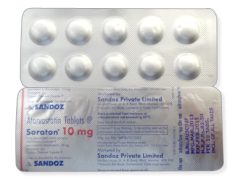
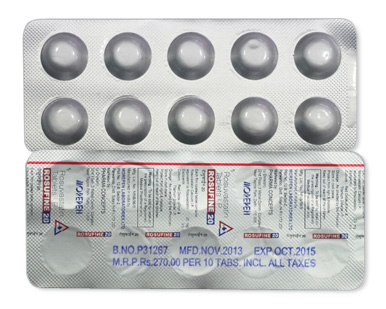
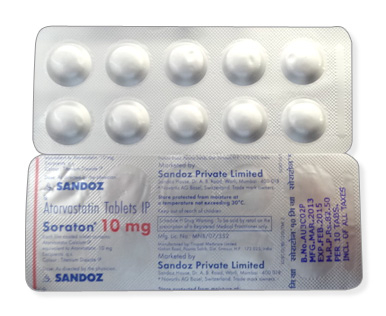
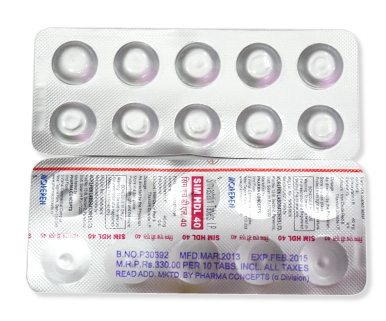
Statins remain the most widely prescribed cholesterol-lowering medications in the UK, with atorvastatin, simvastatin, and rosuvastatin being the most commonly dispensed options. These medications work by inhibiting HMG-CoA reductase, an enzyme crucial for cholesterol production in the liver, effectively reducing LDL (bad) cholesterol by 20-50% depending on the specific statin and dosage.
Clinical studies consistently demonstrate statins' effectiveness in reducing cardiovascular events, making them the cornerstone of cholesterol management for patients at moderate to high cardiovascular risk. The NHS typically recommends starting with atorvastatin 20mg daily for primary prevention.
Alternative and Combination Therapies
When statins alone prove insufficient or cause intolerable side effects, several alternative medications are available through NHS prescriptions:
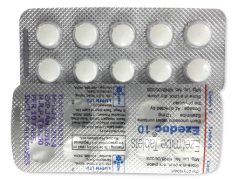
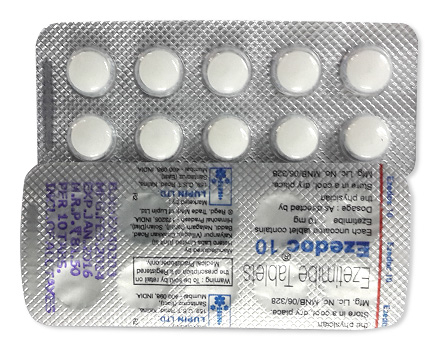
Ezetimibe - reduces cholesterol absorption in the intestines
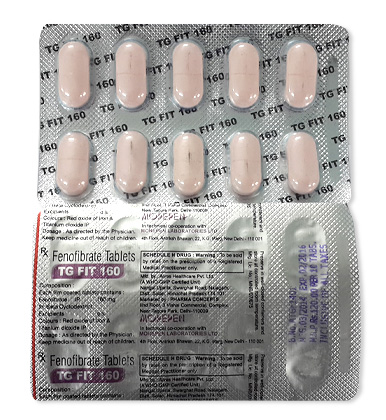
Fibrates - particularly effective for high triglycerides
PCSK9 inhibitors - newer injectable treatments for severe cases
Combination tablets such as Inegy (simvastatin/ezetimibe)
Common side effects include muscle pain, digestive issues, and rarely, liver problems. Patients should discuss any concerning symptoms with their pharmacist or GP, as alternative treatments are often available for those experiencing adverse reactions.
Over-the-Counter Supplements and Natural Remedies
Evidence-Based Supplements
Plant sterols and stanols, naturally occurring compounds found in fortified foods and supplements, can reduce LDL cholesterol by approximately 10-15% when consumed regularly. These work by blocking cholesterol absorption in the digestive system and are particularly effective when taken with meals.
Omega-3 fatty acid supplements, whilst primarily beneficial for triglyceride reduction rather than LDL cholesterol, support overall cardiovascular health. The British Heart Foundation recommends obtaining omega-3s through diet, but supplements can be beneficial for those with limited fish consumption.
Traditional and Fibre-Based Remedies
Red yeast rice contains naturally occurring statins and may offer modest cholesterol-lowering benefits, though quality and potency vary significantly between products. Garlic supplements show limited evidence for cholesterol reduction in clinical trials.
Soluble fibre supplements, including psyllium husk and beta-glucan, demonstrate consistent cholesterol-lowering effects:
Psyllium husk - can reduce LDL cholesterol by 5-10%
Oat beta-glucan - supports the natural cholesterol management process
Methylcellulose-based supplements - provide additional fibre intake
Always consult your pharmacist before combining supplements with prescription medications, as interactions may occur.
Monitoring and Testing Your Cholesterol Levels
NHS Cholesterol Screening Programmes
The NHS offers comprehensive cholesterol screening as part of its cardiovascular disease prevention strategy. Adults aged 40-74 are invited for an NHS Health Check every five years, which includes cholesterol testing alongside blood pressure and diabetes screening. Your local GP surgery or community health centre will contact you when you're due for screening.
Home Testing Kits Available in UK Pharmacies
Many UK pharmacies now stock reliable home cholesterol testing kits, allowing you to monitor your levels conveniently. These finger-prick tests provide results within minutes and are particularly useful for tracking progress between professional check-ups. However, always discuss results with your pharmacist or GP for proper interpretation.
Understanding Your Cholesterol Test Results
Your cholesterol test measures total cholesterol, LDL (bad cholesterol), HDL (good cholesterol), and triglycerides. Results are given in mmol/L in the UK. Generally, total cholesterol should be below 5mmol/L, with LDL below 3mmol/L for most people. Your healthcare provider will interpret results based on your individual cardiovascular risk factors.
Managing Cholesterol with Professional Support
Role of Community Pharmacists in Cholesterol Management
Community pharmacists across the UK play a vital role in cholesterol management, offering expert advice on medications, lifestyle modifications, and monitoring progress. Many pharmacies provide cholesterol testing services and can help you understand your results whilst ensuring any prescribed medications are working effectively.
NHS Health Checks and Cardiovascular Risk Assessments
NHS Health Checks provide comprehensive cardiovascular risk assessments that go beyond simple cholesterol testing. These appointments evaluate your overall heart health risk using tools like the QRISK calculator, considering factors including age, family history, blood pressure, and cholesterol levels to create personalised management plans.
Working with Your Healthcare Team
Effective cholesterol management requires coordinated care between various healthcare professionals. Your team may include:
Your GP for initial diagnosis and prescription management
Practice nurses for regular monitoring and lifestyle advice
Community pharmacists for medication guidance and adherence support
Dietitians for specialised nutritional counselling when needed
Long-term Management and Lifestyle Support
Successful cholesterol management is a long-term commitment requiring ongoing support and regular monitoring. Your healthcare team will help you maintain medication adherence, adjust treatments as needed, and provide continuous lifestyle guidance to ensure optimal cardiovascular health throughout your life.