Understanding COVID-19 and Its Symptoms
What is COVID-19
COVID-19 is a viral infection caused by the SARS-CoV-2 coronavirus, which was first identified in late 2019. The virus primarily spreads through respiratory droplets when an infected person coughs, sneezes, or talks, and can also transmit through contaminated surfaces. Once in the body, the virus targets the respiratory system, though it can affect multiple organs including the heart, kidneys, and brain. The virus has evolved into several variants over time, including Alpha, Delta, and Omicron strains, each with varying levels of transmissibility and severity. Understanding these characteristics helps inform prevention strategies and treatment approaches available through UK healthcare services.
Common Symptoms to Recognise
COVID-19 symptoms can range from mild to severe and typically appear 2-14 days after exposure. The most frequently reported symptoms include persistent fever, continuous cough, and shortness of breath or breathing difficulties. Many patients also experience a distinctive loss of taste and smell, which can persist for weeks or months. Additional symptoms often include fatigue, muscle aches, headache, sore throat, and gastrointestinal issues such as nausea or diarrhoea. You should seek immediate medical attention if you experience severe breathing difficulties, persistent chest pain, confusion, or inability to stay awake. Contact NHS 111 online or by phone if symptoms worsen or if you're concerned about your condition.
Risk Factors and Vulnerable Groups
Certain groups face higher risks of severe COVID-19 complications and require additional protection measures. Age remains the most significant risk factor, with individuals over 70 experiencing substantially higher rates of hospitalisation and severe outcomes. People with underlying health conditions are also at increased risk, including those with:
Cardiovascular disease and high blood pressure
Diabetes and obesity
Chronic respiratory conditions such as asthma or COPD
Compromised immune systems due to medical treatments or conditions
Chronic kidney or liver disease
Pregnant women, particularly in their third trimester, may face increased risks and should discuss protective measures with their healthcare provider. The NHS continues to prioritise these vulnerable groups for vaccinations and additional support services.
COVID-19 Testing and Detection
Types of Tests Available in the UK
The UK offers several types of COVID-19 tests, each serving different purposes and providing varying levels of accuracy. Lateral flow tests, also known as rapid antigen tests, provide results within 15-30 minutes and are ideal for regular screening, especially before social gatherings or when visiting vulnerable individuals. PCR (Polymerase Chain Reaction) tests remain the gold standard for accurate diagnosis, detecting even small amounts of viral genetic material and providing highly reliable results within 24-48 hours. Antibody tests can identify previous COVID-19 infections by detecting immune response markers in the blood, though they cannot determine current infection status. These tests are available through various channels including pharmacies, NHS testing centres, and private healthcare providers throughout the UK.
When and How to Test
Regular testing helps identify asymptomatic cases and prevent transmission within communities. Self-testing at home using lateral flow tests is recommended twice weekly for those in regular contact with others, particularly healthcare workers, teachers, and carers. Follow the instructions carefully: collect the sample from your throat and nose using the provided swab, mix it with the testing solution, and apply drops to the test device. Results appear within the specified timeframe, typically 15-30 minutes. Professional testing services remain available through NHS Test and Trace, local testing sites, and participating pharmacies across the UK. When interpreting results, a positive test indicates likely current infection and requires immediate self-isolation, whilst a negative test suggests no current infection but doesn't guarantee you won't develop COVID-19 later. Always report positive results to NHS Test and Trace and follow current government guidance on isolation periods.
Testing Kits and Supplies
NHS-approved Testing Kits Available
Our pharmacy stocks a comprehensive range of NHS-approved COVID-19 testing kits to meet your testing requirements. We offer both lateral flow tests (LFTs) for rapid antigen detection and PCR test kits for laboratory analysis. All testing kits available through our pharmacy have received approval from the Medicines and Healthcare products Regulatory Agency (MHRA) and meet NHS standards for reliability and accuracy. Whether you need testing for travel, workplace requirements, or personal peace of mind, we can provide suitable testing solutions.
Storage and Handling Requirements
Proper storage and handling of COVID-19 testing kits is crucial for maintaining their effectiveness. Most lateral flow tests should be stored at room temperature between 2°C and 30°C, away from direct sunlight and moisture. PCR test kits may have specific storage requirements, including refrigeration in some cases. Always check expiry dates before use and ensure kits haven't been exposed to extreme temperatures. When handling test components, wash your hands thoroughly and follow the manufacturer's instructions precisely to avoid contamination.
Accuracy and Reliability Factors
The accuracy of COVID-19 tests depends on several factors including the type of test, timing of testing, and proper technique. Lateral flow tests are most effective when symptoms are present, whilst PCR tests can detect the virus even at lower viral loads. For optimal results, follow the testing instructions carefully, use the correct sample collection technique, and test at appropriate intervals as recommended by health authorities. If you receive an unexpected result or have symptoms despite a negative test, consult with our pharmacy team or your GP for further guidance.
Treatment and Management Options
Over-the-Counter Medications
Paracetamol for Fever and Pain Relief
Paracetamol remains the first-line treatment for managing COVID-19 symptoms such as fever, headaches, and general aches and pains. It's suitable for adults and children and can be used safely by most people, including those who are pregnant or breastfeeding. The standard adult dose is 500mg to 1000mg every four to six hours, with a maximum of 4000mg in 24 hours. Paracetamol is often preferred over other pain relievers as it has fewer interactions with other medications and is generally well-tolerated.
Ibuprofen Considerations and Guidelines
Ibuprofen can be used to manage COVID-19 symptoms, contrary to early pandemic concerns. However, it should be used with caution in certain groups, including those with existing kidney problems, heart conditions, or stomach ulcers. The anti-inflammatory properties of ibuprofen may provide additional benefit for some symptoms, but it should not be used in combination with certain medications without consulting a healthcare professional. Always take ibuprofen with food to reduce stomach irritation.
Throat Lozenges and Cough Suppressants
A persistent cough is one of the most common COVID-19 symptoms, and various over-the-counter options can provide relief:
Throat lozenges containing menthol or benzocaine for sore throat relief
Dextromethorphan-based cough suppressants for dry, tickly coughs
Guaifenesin expectorants to help loosen mucus
Honey-based remedies for natural cough suppression
Steam inhalation products containing eucalyptus or menthol
Decongestants and Nasal Sprays
Nasal congestion and sinus pressure can be effectively managed with appropriate decongestants. Oral decongestants containing pseudoephedrine or phenylephrine can help reduce systemic congestion, whilst nasal sprays provide localised relief. Saline nasal sprays are particularly useful for gentle, regular use without the risk of rebound congestion. Decongestant nasal sprays should not be used for more than seven consecutive days to avoid dependency.
Prescription Treatments Available in the UK
Antivirals like Paxlovid (nirmatrelvir/ritonavir)
Paxlovid is an oral antiviral treatment available through NHS prescription for eligible high-risk patients. It's most effective when started within five days of symptom onset and can significantly reduce the risk of hospitalisation and severe outcomes. The treatment consists of a five-day course combining nirmatrelvir and ritonavir. Eligibility is determined by clinical risk factors and current NHS guidelines, and the medication requires careful consideration of drug interactions.
Molnupiravir for Eligible Patients
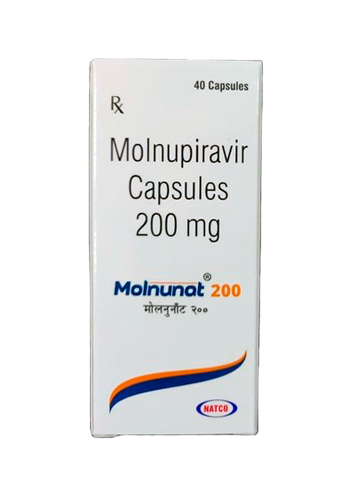
Molnupiravir is another oral antiviral option available for certain high-risk patients who cannot take Paxlovid or for whom Paxlovid is not suitable. Like Paxlovid, it must be initiated within five days of symptom onset to be effective. The treatment involves taking four capsules twice daily for five days. Eligibility criteria are similar to those for Paxlovid, focusing on patients at higher risk of severe COVID-19 outcomes.
Corticosteroids for Severe Cases
Corticosteroids such as dexamethasone may be prescribed for patients with severe COVID-19, particularly those requiring oxygen support. These medications help reduce inflammation in the lungs and can improve outcomes in hospitalised patients. The use of steroids in COVID-19 treatment is carefully managed by healthcare professionals and is typically reserved for specific clinical situations where the benefits outweigh the potential risks.
Monoclonal Antibody Treatments
Monoclonal antibody treatments may be available for certain high-risk patients through specialist NHS services. These treatments are typically administered in hospital settings and are reserved for patients who meet specific criteria. The availability and use of these treatments may vary based on current variants of concern and clinical evidence, with decisions made by specialist healthcare teams.
Home Care and Recovery
Rest and Hydration Importance
Adequate rest and proper hydration form the foundation of COVID-19 recovery. Your body requires significant energy to fight the virus, making quality sleep and rest periods essential for recovery. Aim for at least 8-10 hours of sleep per night and take rest breaks throughout the day as needed. Hydration helps maintain immune function and can ease symptoms such as fever and cough. Drink plenty of fluids including water, herbal teas, and broths, whilst avoiding excessive caffeine and alcohol which can contribute to dehydration.
Breathing Exercises and Positioning
Breathing difficulties are common with COVID-19, and specific techniques can help improve comfort and oxygen levels. Practice deep breathing exercises several times daily, taking slow, deep breaths through the nose and exhaling slowly through pursed lips. Prone positioning (lying on your front) for short periods may help improve breathing, whilst maintaining good posture when sitting can optimise lung expansion. If you experience severe breathing difficulties or persistent chest pain, seek immediate medical attention.
Monitoring Symptoms Progression
Regular monitoring of your symptoms helps track recovery progress and identify any concerning changes. Keep a daily record of temperature, oxygen saturation if you have a pulse oximeter, and symptom severity. Watch for warning signs that require immediate medical attention, including difficulty breathing, persistent chest pain, confusion, inability to stay awake, or bluish lips or face. Most people begin to feel better within a week, but recovery times can vary significantly between individuals.
Isolation Guidelines and Duration
Current UK guidance recommends staying at home and avoiding contact with others whilst you have symptoms of COVID-19 and feel unwell. Adults with COVID-19 can return to normal activities when they feel well enough and no longer have a high temperature. Children and young people with mild symptoms can return to school when they feel well enough and no longer have a high temperature. If you continue to have symptoms after several days, consider taking a test before returning to normal activities. Always check the latest NHS guidance as isolation recommendations may change based on current public health advice.
Prevention and Protection Measures
Personal Protective Equipment
Proper personal protective equipment remains a crucial defence against COVID-19 transmission. Face masks, particularly surgical masks and FFP2/FFP3 respirators, have proven highly effective in reducing the spread of respiratory droplets when worn correctly. These should cover both the nose and mouth completely, with a secure fit around the face.
Hand sanitisers containing at least 60% alcohol content are essential for maintaining hand hygiene when soap and water are unavailable. Look for products that meet British Standard EN 1276 or equivalent certification. Disposable gloves provide additional protection during high-risk situations such as caring for an infected person or handling potentially contaminated surfaces, though proper hand hygiene remains paramount.
Surface disinfectants approved for household use should contain active ingredients proven effective against SARS-CoV-2. Products containing at least 70% alcohol, bleach-based solutions, or those certified to EN 14476 standard are recommended for regular cleaning of frequently touched surfaces.
Vaccination Information
The UK's vaccination programme offers several approved vaccines, including mRNA vaccines (Pfizer-BioNTech, Moderna) and viral vector vaccines (AstraZeneca). The NHS provides these vaccines free of charge to all eligible individuals through GP practices, vaccination centres, and participating pharmacies.
Booster vaccinations are recommended at regular intervals, with the NHS currently offering autumn boosters to high-risk groups and those over 65. The Joint Committee on Vaccination and Immunisation (JCVI) regularly reviews and updates booster recommendations based on current evidence and circulating variants.
Common side effects include temporary soreness at the injection site, mild fever, and fatigue. Serious adverse reactions are rare but should be reported to the Medicines and Healthcare products Regulatory Agency (MHRA) via the Yellow Card scheme. Individuals with severe allergies or specific medical conditions should consult their healthcare provider before vaccination.
Daily Prevention Strategies
Effective hand hygiene involves washing hands with soap and warm water for at least 20 seconds, particularly before eating, after using the toilet, and upon returning home. When handwashing facilities are unavailable, use alcohol-based hand sanitiser covering all surfaces of the hands until dry.
Social distancing guidelines recommend maintaining appropriate space in crowded areas and ensuring good ventilation in indoor spaces. Opening windows, using air purification systems with HEPA filters, and avoiding poorly ventilated areas can significantly reduce transmission risk.
Wash hands frequently with soap and water for at least 20 seconds
Maintain good ventilation in indoor spaces
Consider wearing face coverings in crowded or enclosed areas
Stay home when feeling unwell
Follow current government guidance on isolation periods
Post-COVID Recovery and Long COVID
Managing Long COVID Symptoms
Long COVID affects a significant proportion of individuals following COVID-19 infection, with symptoms persisting for weeks or months. Fatigue management requires a structured approach including paced activity, energy conservation techniques, and gradual increase in daily activities as tolerated. The NHS recommends the "traffic light" system for managing activity levels based on symptom severity.
Breathing difficulties may persist long after initial recovery. Breathing exercises, including diaphragmatic breathing and pursed lip breathing techniques, can help improve lung function. Pulse oximeters may be useful for monitoring oxygen saturation levels, though professional medical guidance should be sought for persistent breathing problems.
Cognitive symptoms, often referred to as "brain fog," can significantly impact daily functioning. This may include difficulties with concentration, memory, and mental clarity. Cognitive rehabilitation techniques, adequate sleep, stress management, and maintaining regular routines can help manage these symptoms.
Recovery Support Products
Vitamin D supplementation is particularly important for immune system support, especially during winter months or for individuals with limited sun exposure. The NHS recommends 10 micrograms daily for adults, with higher doses potentially beneficial under medical supervision.
Omega-3 fatty acid supplements, particularly EPA and DHA, may help reduce inflammation and support recovery. These essential fatty acids support cardiovascular health and may aid in reducing persistent inflammatory responses following COVID-19.
Probiotic supplements can help restore gut microbiome balance, which may be disrupted following illness or antibiotic treatment. Look for products containing multiple strains of beneficial bacteria and ensure proper storage according to manufacturer instructions.
Emergency Preparedness and When to Seek Help
Warning Signs Requiring Immediate Medical Attention
Severe breathing difficulties, including shortness of breath at rest, inability to complete sentences due to breathlessness, or bluish lips or face, require immediate emergency medical attention. These symptoms may indicate serious complications requiring urgent intervention.
Chest pain, particularly if severe or accompanied by heart palpitations, should not be ignored. COVID-19 can affect the cardiovascular system, and any concerning cardiac symptoms warrant immediate medical evaluation.
Persistent high fever above 39°C (102.2°F) that doesn't respond to standard fever-reducing medications, or fever accompanied by severe headache, neck stiffness, or rash, requires urgent medical assessment.
Emergency Contacts and NHS Services
NHS 111 provides 24/7 health advice and guidance through their online service at 111.nhs.uk or by calling 111. This service can help determine whether symptoms require immediate attention, GP consultation, or can be managed at home.
Call 999 immediately for life-threatening emergencies, including severe breathing difficulties, chest pain, loss of consciousness, or any situation where someone's life may be at risk. Emergency services are equipped to handle COVID-19 related emergencies safely.
Many pharmacies offer consultation services and can provide advice on symptom management, medication interactions, and when to seek further medical help. Your local GP practice will have established protocols for handling urgent appointments and emergency situations outside normal hours.