Understanding Diabetes and Its Types
Diabetes is a chronic condition that occurs when your body cannot properly regulate blood sugar (glucose) levels. This happens either because your pancreas doesn't produce enough insulin or because your body cannot effectively use the insulin it produces. Without proper management, elevated blood glucose can lead to serious health complications affecting your heart, kidneys, eyes, and nerves.
Type 1 Diabetes
Type 1 diabetes is an autoimmune condition where the body's immune system destroys insulin-producing cells in the pancreas. It typically develops in childhood or young adulthood and requires daily insulin injections for life. Symptoms include excessive thirst, frequent urination, unexplained weight loss, and fatigue. Management involves careful insulin dosing, carbohydrate counting, and regular blood glucose monitoring.
Type 2 Diabetes
Type 2 diabetes develops when the body becomes resistant to insulin or doesn't produce enough insulin. Risk factors include obesity, physical inactivity, family history, and age over 40. It often progresses gradually and may initially be managed through lifestyle changes, oral medications, and eventually insulin therapy if needed.
Gestational and Pre-diabetes
Gestational diabetes occurs during pregnancy and usually resolves after birth, though it increases future diabetes risk. Pre-diabetes indicates blood sugar levels higher than normal but not yet diabetic, offering an opportunity for prevention through lifestyle modifications.
Blood Glucose Monitoring and Testing Supplies
Regular blood glucose monitoring is essential for effective diabetes management, helping you understand how food, exercise, medication, and stress affect your blood sugar levels. Consistent monitoring enables better treatment decisions and helps prevent both short-term and long-term complications.
Blood Glucose Meters and Test Strips
Modern blood glucose meters available in the UK offer various features including large displays, memory storage, and smartphone connectivity. When selecting a meter, consider factors such as:
Test strip costs and NHS prescription availability
Sample size requirements and testing speed
Memory capacity for storing readings
Special features like audio guidance or backlighting
Test strips must be compatible with your specific meter and stored properly to maintain accuracy. Many are available on NHS prescription, making monitoring more affordable for patients.
Advanced Monitoring Options
Continuous glucose monitors (CGMs) provide real-time glucose readings and trends, reducing the need for frequent finger prick tests. Ketone testing strips are crucial for Type 1 diabetics during illness or when blood glucose is elevated, as they help detect potentially dangerous ketoacidosis. Maintaining detailed records of your readings helps identify patterns and supports discussions with your healthcare team.
Diabetes Medications and Treatments
Insulin Therapy
Insulin therapy forms the cornerstone of Type 1 diabetes management and is increasingly prescribed for Type 2 diabetes when other treatments prove insufficient. Understanding proper injection techniques, timing, and insulin types is crucial for optimal glucose control. Modern insulin pens have revolutionised administration, offering precise dosing and improved convenience for daily management.
Rapid-acting insulins including NovoRapid, Humalog, and Apidra are readily available through UK pharmacies and work within 15 minutes of injection. These are typically administered before meals to manage post-meal glucose spikes. Long-acting insulin options such as Lantus, Levemir, and Tresiba provide 24-hour baseline coverage, helping maintain steady glucose levels between meals and overnight.
Oral Diabetes Medications
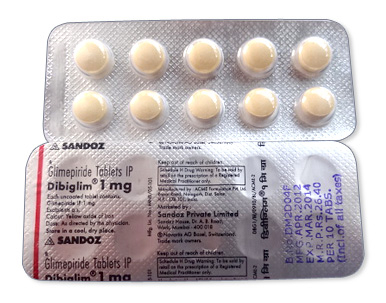
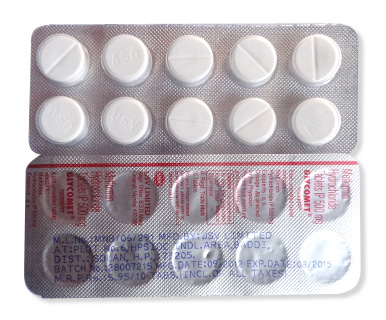
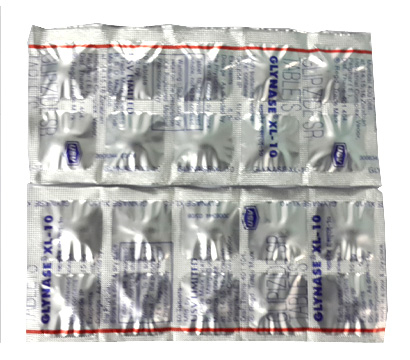
Metformin remains the first-line treatment for Type 2 diabetes, helping reduce glucose production by the liver whilst improving insulin sensitivity. Sulfonylureas like gliclazide and glimepiride stimulate insulin production but carry hypoglycaemia risks requiring careful monitoring.
Newer medication classes offer additional benefits:
SGLT2 inhibitors (empagliflozin, dapagliflozin) promote glucose excretion through urine
GLP-1 receptor agonists (semaglutide, liraglutide) slow digestion and enhance insulin response
DPP-4 inhibitors (sitagliptin, saxagliptin) help regulate blood sugar with minimal side effects
Combination medications and personalised treatment plans ensure optimal management tailored to individual needs and lifestyle requirements.
Diabetes Care Accessories and Injection Supplies
Injection Equipment
Modern insulin pens paired with ultra-fine pen needles provide comfortable, precise insulin delivery. Available in various lengths and gauges, these needles minimise injection discomfort whilst ensuring accurate dosing. Traditional insulin syringes remain available for those preferring conventional injection methods or using specific insulin formulations requiring syringe administration.
Proper sharps disposal is essential for safety and environmental protection. NHS-approved sharps containers are available through pharmacies, with collection services coordinated through local councils. Never dispose of needles or lancets in household waste.
Storage and Emergency Supplies
Insulin storage solutions including travel cases and cooling packs help maintain medication effectiveness during transport. Temperature control is vital, as insulin loses potency when exposed to extreme heat or freezing conditions.
Essential emergency supplies include:
Glucose tablets and gels for treating hypoglycaemic episodes
Alcohol swabs for injection site preparation and hygiene
Medical alert jewellery providing crucial emergency identification
Pharmacies stock comprehensive ranges of diabetes accessories, ensuring patients have reliable access to essential supplies for effective daily management and emergency preparedness.
Foot Care and Diabetic Complications Prevention
Diabetic foot care requires exceptional attention due to reduced blood circulation and diminished sensation that can develop with diabetes. Daily foot inspection is crucial, as minor injuries may go unnoticed and lead to serious complications. Examine your feet each day for cuts, blisters, swelling, or changes in colour.
Specialised Diabetic Products
Diabetic socks feature seamless construction and moisture-wicking properties to reduce friction and keep feet dry, minimising infection risk. Quality foot creams and moisturisers specifically formulated for diabetics help prevent dangerous dryness and cracking, particularly around heels and between toes.
Proper nail care tools designed for safe trimming are essential for infection prevention. For callus and corn treatment, seek professional podiatry care rather than attempting removal yourself, as diabetic skin heals more slowly.
Seek immediate medical attention for persistent wounds, unusual discharge, fever, or signs of infection. The NHS provides diabetic foot screening programmes and annual check-ups to monitor foot health and prevent serious complications before they develop.
Lifestyle Support and Nutritional Management
Dietary Management
Carbohydrate counting forms the foundation of diabetic nutrition management. Understanding food labels and mastering portion control helps maintain stable blood glucose levels throughout the day. Focus on complex carbohydrates and pair them with protein to slow glucose absorption.
Diabetic-friendly snacks are essential for maintaining stable blood sugar between meals. Options include nuts, seeds, and low-glycaemic fruits. UK pharmacies stock various artificial sweeteners as safe alternatives to sugar, including aspartame, sucralose, and stevia-based products.
Comprehensive Health Support
Vitamin and mineral supplements may address specific diabetic nutritional needs, particularly B vitamins, magnesium, and chromium. Exercise considerations include monitoring blood sugar before and after physical activity, as exercise can significantly affect glucose levels.
Weight management support programmes recognising the strong connection between obesity and Type 2 diabetes
Stress management resources, as emotional health directly impacts blood glucose control
Local diabetes education programmes and support groups for ongoing community support
Regular consultation with diabetes specialist nurses and dietitians