Acid Reflux and Heartburn Relief
What is Acid Reflux and Heartburn
Acid reflux, medically known as gastroesophageal reflux disease (GERD), occurs when stomach acid flows back into the oesophagus, causing a burning sensation in the chest commonly called heartburn. Symptoms include a burning pain behind the breastbone, regurgitation of food or sour liquid, difficulty swallowing, and a sensation of a lump in the throat. Many sufferers also experience a persistent cough or hoarse voice, particularly in the morning.
Common triggers include spicy or fatty foods, citrus fruits, tomatoes, chocolate, caffeine, alcohol, and carbonated beverages. Stress, obesity, pregnancy, and certain medications can also exacerbate symptoms. The condition significantly impacts quality of life, often disrupting sleep patterns and causing discomfort during meals and daily activities.
Available Treatments in the UK
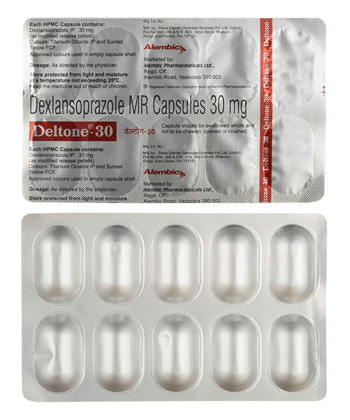
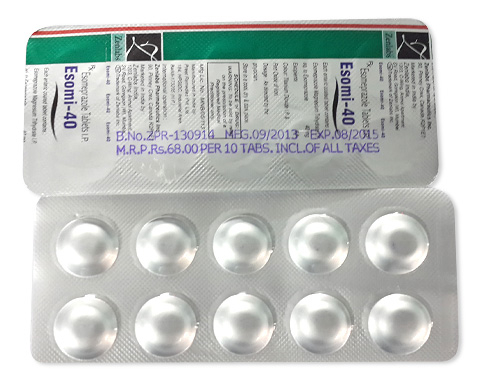
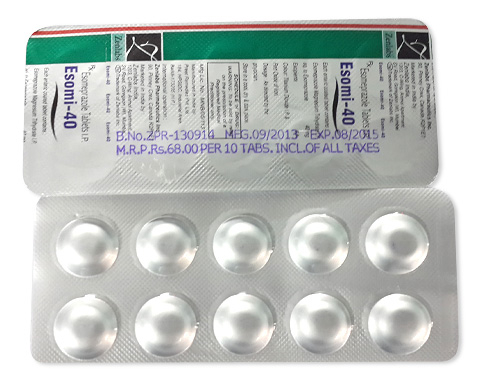
The UK market offers various treatment options for acid reflux and heartburn relief. Antacids such as Gaviscon, Rennie, and Tums provide immediate symptom relief by neutralising stomach acid. For longer-lasting relief, H2 receptor antagonists like Famotidine reduce acid production, whilst proton pump inhibitors (PPIs) including Omeprazole, Lansoprazole, and Esomeprazole offer more potent acid suppression for severe cases.
Alginate-based products like Gaviscon Advance and Peptac create a protective barrier on top of stomach contents, preventing acid from reaching the oesophagus. These are particularly effective for nighttime symptoms.
Usage Guidelines and Considerations
Short-term treatments like antacids are suitable for occasional symptoms, whilst PPIs may be recommended for persistent issues lasting more than two weeks. Lifestyle modifications including eating smaller meals, avoiding trigger foods, and elevating the head whilst sleeping can enhance treatment effectiveness. Consult a GP or pharmacist if symptoms persist despite treatment or if you experience difficulty swallowing, unintentional weight loss, or severe chest pain.
Digestive Health and Stomach Upset
Common Digestive Complaints
Digestive complaints affect millions of people across the UK, ranging from mild discomfort to debilitating symptoms that interfere with daily life. Indigestion, characterised by upper abdominal pain, bloating, and feelings of fullness, often occurs after eating rich or spicy foods. Stomach pain and discomfort can manifest as cramping, burning sensations, or general abdominal tenderness, frequently accompanied by nausea.
Bloating and excessive gas cause uncomfortable distension and embarrassing flatulence, whilst nausea can range from mild queasiness to severe episodes that affect appetite and nutrition. These symptoms may be interconnected and often occur simultaneously, making diagnosis and treatment more complex.
UK Market Solutions
The UK pharmaceutical market provides comprehensive solutions for various digestive complaints. For those with pancreatic insufficiency, digestive enzymes such as Creon and Nutrizym help break down food properly, improving nutrient absorption and reducing symptoms.
Antispasmodic medications effectively treat stomach cramps and pain:
Buscopan (hyoscine butylbromide) for general abdominal cramps
Colofac (mebeverine) particularly effective for IBS-related symptoms
WindSetters and Infacol containing simethicone for gas relief
Pepto-Bismol (bismuth subsalicylate) for multiple symptoms including nausea and diarrhoea
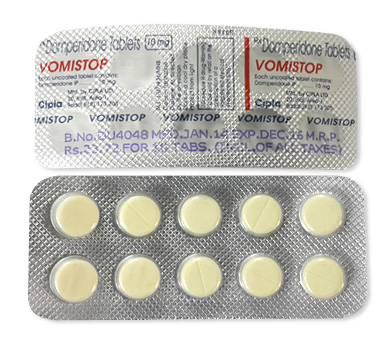
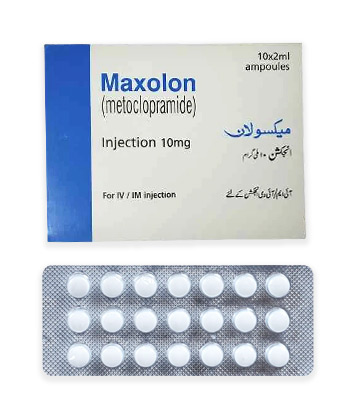
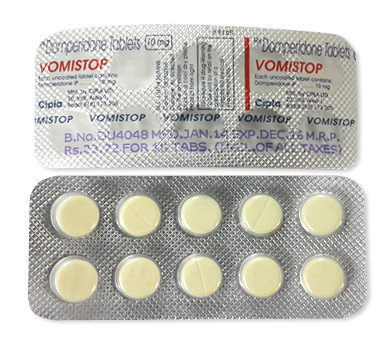
For nausea and digestive motility issues, Domperidone helps by enhancing stomach emptying and reducing feelings of sickness. These treatments work through different mechanisms, allowing for targeted therapy based on specific symptoms and underlying causes.
Constipation and Bowel Regularity
Understanding Constipation
Constipation is characterised by infrequent bowel movements, typically fewer than three times per week, or difficulty passing stools. Normal bowel patterns vary considerably between individuals, ranging from three times daily to three times weekly. Common causes include insufficient fibre intake, inadequate fluid consumption, lack of physical activity, and certain medications such as opioids, antacids containing aluminium, and some antidepressants. Risk factors encompass advancing age, pregnancy, medical conditions like hypothyroidism, and prolonged bed rest. Chronic constipation can lead to complications including haemorrhoids, anal fissures, faecal impaction, and in severe cases, bowel obstruction.
Laxative Options Available in the UK
Several types of laxatives are readily available in UK pharmacies, each working through different mechanisms. Bulk-forming laxatives such as Fybogel (ispaghula husk), methylcellulose, and sterculia increase stool bulk and are generally considered first-line treatment. Osmotic laxatives including lactulose, Movicol (macrogol), and phosphate enemas draw water into the bowel to soften stools. Stimulant laxatives like senna, bisacodyl, and sodium picosulfate stimulate bowel muscle contractions for quicker relief. Stool softeners such as docusate sodium and liquid paraffin help lubricate and soften hard stools, making them easier to pass.
Treatment Approach and Safety
A step-wise approach begins with lifestyle modifications and bulk-forming laxatives, progressing to osmotic or stimulant types if needed. Healthcare professionals recommend the following dietary and lifestyle changes:
Increase daily fibre intake to 25-30 grams gradually
Drink at least 6-8 glasses of water daily
Engage in regular physical activity
Establish a regular toilet routine
Avoid prolonged straining during bowel movements
Seek medical advice if constipation persists beyond two weeks, if there's blood in stools, severe abdominal pain, or sudden changes in bowel habits, particularly in individuals over 50 years of age.
Diarrhoea and Stomach Bugs
Types and Causes of Diarrhoea
Diarrhoea is defined as loose, watery stools occurring more than three times daily. Acute diarrhoea typically lasts less than 14 days and often results from viral infections like norovirus, bacterial causes such as Campylobacter or Salmonella, or food poisoning. Travel-related digestive issues commonly affect UK residents visiting countries with different hygiene standards or unfamiliar cuisines. Antibiotic-associated diarrhoea occurs when medications disrupt normal gut bacteria, potentially leading to Clostridium difficile infections in severe cases. Chronic diarrhoea persisting beyond four weeks may indicate underlying conditions requiring medical investigation.
Treatment Options in the UK
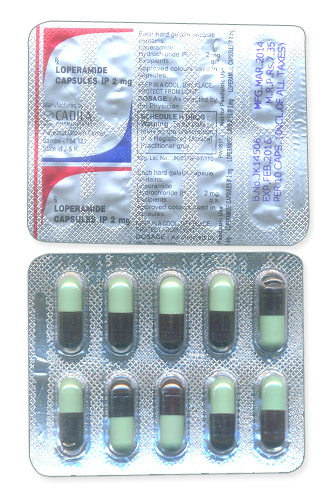
UK pharmacies stock various treatments for managing diarrhoea symptoms. Anti-motility agents like loperamide (Imodium) and co-phenotrope slow intestinal movement, reducing frequency and urgency. However, these shouldn't be used if fever or blood is present. Oral rehydration therapy using Dioralyte or Electrolade sachets helps replace lost fluids and electrolytes, particularly important in children and elderly patients. Probiotics containing various bacterial strains may help restore healthy gut flora, especially following antibiotic treatment. The following approach is recommended:
Maintain adequate hydration with clear fluids
Continue eating light, bland foods if tolerated
Use oral rehydration solutions for fluid replacement
Consider anti-motility agents for symptomatic relief when appropriate
Avoid dairy products temporarily
Adsorbent products containing kaolin or activated charcoal may provide additional symptomatic relief by binding toxins. Consult a healthcare professional if symptoms persist beyond 72 hours, if there's blood in stools, signs of dehydration, or severe abdominal pain.
Irritable Bowel Syndrome (IBS) Management
Understanding IBS
Irritable Bowel Syndrome is a common functional bowel disorder affecting millions across the UK. This chronic condition presents with varying symptoms, classified into three main subtypes: IBS-C (constipation-predominant), IBS-D (diarrhoea-predominant), and IBS-M (mixed pattern). Symptoms typically include abdominal pain, bloating, altered bowel habits, and excessive wind, which can significantly impact daily activities and work performance.
Common triggers include dietary factors, psychological stress, hormonal fluctuations (particularly in women), and certain medications. Understanding these triggers is crucial for effective management, as IBS affects approximately 10-15% of the UK population and is responsible for considerable workplace absence and reduced quality of life.
UK Treatment Options
Several effective treatments are available through UK pharmacies for managing IBS symptoms:
Antispasmodics such as mebeverine (Colofac) and peppermint oil capsules (Colpermin) help reduce cramping and abdominal pain
For IBS-C: linaclotide and specific osmotic laxatives like macrogol provide gentle relief
For IBS-D: low-dose loperamide and bile acid sequestrants help control loose stools
Probiotics containing specific strains like Bifidobacterium and Lactobacillus may restore gut balance
Fibre supplements and FODMAPs guidance support dietary management
Holistic Management Approach
Successful IBS management requires a comprehensive approach combining medication with lifestyle modifications. Dietary changes, including elimination diets and reduced FODMAP intake, often provide significant relief. Stress management techniques such as mindfulness and regular exercise can help break the gut-brain connection that exacerbates symptoms. When over-the-counter options prove insufficient, prescription medications like rifaximin or tricyclic antidepressants may be considered under medical supervision.
Gut Health and Digestive Support
Importance of Gut Health
The gut microbiome plays a fundamental role in overall health, housing trillions of beneficial bacteria that support digestion, immune function, and even mental wellbeing. This complex ecosystem influences everything from nutrient absorption to mood regulation through the gut-brain axis. Modern lifestyle factors including processed foods, antibiotics, stress, and reduced dietary diversity can disrupt this delicate bacterial balance, leading to digestive complaints and compromised immunity.
Research increasingly demonstrates that maintaining a healthy gut microbiome is essential for optimal digestive function, with imbalances linked to conditions ranging from bloating and irregular bowel movements to more serious inflammatory disorders.
Supportive Products Available in the UK
UK pharmacies stock various evidence-based products to support digestive wellness:
Multi-strain probiotic formulations containing clinically researched bacteria strains
Prebiotic supplements with inulin and oligosaccharides that nourish beneficial gut bacteria
Broad-spectrum digestive enzyme complexes to aid protein, carbohydrate, and fat breakdown
Targeted gut health supplements including L-glutamine for intestinal lining support, zinc carnosine for stomach protection, and aloe vera for soothing inflammation
Maintaining Long-term Digestive Wellness
Sustainable gut health requires consistent dietary and lifestyle practices. A diverse, fibre-rich diet with fermented foods naturally supports beneficial bacteria, whilst limiting processed foods and excessive sugar helps prevent harmful bacterial overgrowth. Regular physical activity, adequate sleep, and stress management all contribute to optimal digestive function. Periodic assessment of digestive symptoms and proactive supplementation during times of increased stress or antibiotic use can help maintain long-term gut health balance.