Understanding Hair Loss and Its Causes
Hair loss is a common condition affecting millions of people across the UK, characterised by the gradual or sudden reduction in hair density on the scalp or other areas of the body. Understanding the natural hair growth cycle is essential to recognising abnormal hair loss patterns. Each hair follicle follows a three-phase cycle: anagen (growth phase lasting 2-6 years), catagen (transitional phase lasting 2-3 weeks), and telogen (resting phase lasting 2-3 months). Normal hair shedding involves losing 50-100 hairs daily as part of this natural renewal process.
The most prevalent types of hair loss include androgenetic alopecia (male and female pattern baldness), which affects up to 80% of men and 50% of women by age 50. Alopecia areata presents as circular bald patches and is considered an autoimmune condition, whilst telogen effluvium causes diffuse hair thinning due to stress or illness.
Hair loss stems from various factors including:
Genetic predisposition and family history
Hormonal changes, particularly DHT sensitivity
Medical conditions such as thyroid disorders or PCOS
Medications including blood thinners and chemotherapy
Physical or emotional stress
Nutritional deficiencies
Risk factors increase with age, particularly for men over 30 and post-menopausal women. Seek professional help if experiencing sudden hair loss, patches of baldness, or hair loss accompanied by pain, itching, or skin irritation.
Male Pattern Baldness
Male pattern baldness, medically known as androgenetic alopecia, is the most common form of hair loss in men, affecting approximately two-thirds of British men by age 35. This condition typically begins with a receding hairline at the temples, progressing to crown thinning, and may eventually result in complete baldness on the top of the head whilst preserving hair around the sides and back.
The Role of DHT in Hair Loss
The primary culprit behind male pattern baldness is dihydrotestosterone (DHT), a hormone derived from testosterone through the enzyme 5-alpha-reductase. Men with a genetic predisposition possess hair follicles that are particularly sensitive to DHT. This hormone causes follicles to shrink progressively, producing shorter, thinner hairs until they eventually stop producing hair altogether. Understanding this mechanism is crucial for selecting appropriate treatments that target DHT production or sensitivity.
Classification and Onset
The Norwood scale, developed by Dr. James Hamilton and later refined by Dr. O'Tar Norwood, classifies male pattern baldness into seven stages, from minimal hair loss (Stage I) to extensive baldness (Stage VII). Most men begin experiencing hair loss in their twenties or thirties, though onset can occur as early as the late teens. Genetic factors from both maternal and paternal sides influence the timing and severity of hair loss progression.
Treatment Options Available in the UK
Topical Treatments
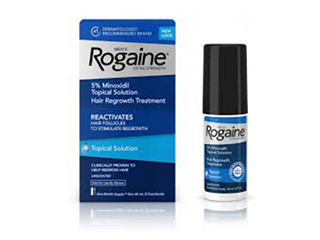
Minoxidil remains the most widely used topical treatment for hair loss in the UK. Available under brand names such as Regaine and various generic formulations, minoxidil comes in different strengths (2% and 5%) and formats including foam and solution. This vasodilator works by increasing blood flow to hair follicles, extending the growth phase of hair and potentially reversing miniaturisation of follicles.
Oral Medications
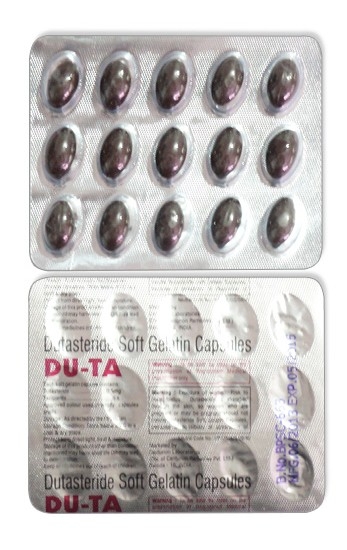
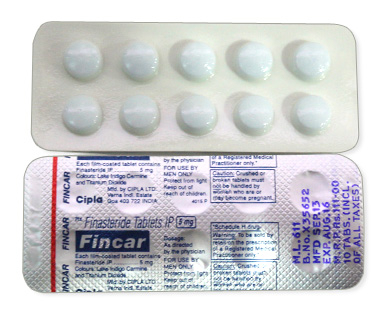
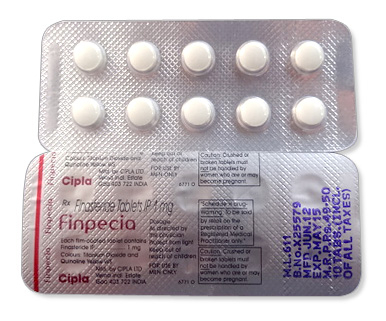
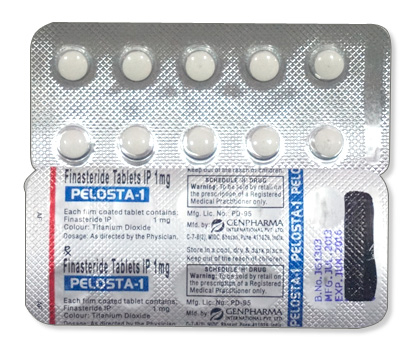
Finasteride, marketed as Propecia or available in generic versions, represents the primary oral treatment option. This 5-alpha reductase inhibitor blocks the conversion of testosterone to dihydrotestosterone (DHT), the hormone responsible for androgenetic alopecia. The standard dose is 1mg daily, and it's available on prescription for men experiencing male pattern baldness.
Application Methods and Expected Results
Topical minoxidil should be applied twice daily to the affected scalp areas, whilst finasteride is taken as a once-daily tablet. Realistic expectations are crucial, as both treatments typically show initial results after 3-4 months, with optimal benefits visible after 6-12 months of consistent use. Results vary considerably between individuals, with most users experiencing hair loss stabilisation rather than dramatic regrowth.
Treatment Approaches
Many healthcare providers recommend combination therapy, using both topical and oral treatments simultaneously for enhanced effectiveness. Over-the-counter options include minoxidil preparations, whilst finasteride requires a prescription. Various strengths and formulations allow for personalised treatment plans based on individual tolerance and lifestyle preferences.
Choosing the Right Treatment
Key Considerations
Selecting appropriate hair loss treatment involves evaluating several important factors. Age plays a significant role, as younger patients often respond better to treatment. The extent and pattern of hair loss determine which medications are most suitable, whilst lifestyle factors such as daily routine and grooming habits influence treatment compliance.
Professional Guidance
Consulting with qualified pharmacists provides valuable insight into available options and potential interactions with existing medications. Healthcare providers can assess underlying causes and recommend prescription treatments where appropriate. These consultations ensure treatments align with individual health profiles and expectations.
Managing Expectations and Costs
Understanding realistic outcomes prevents disappointment and supports long-term adherence to treatment plans. Consider these important aspects:
Hair loss treatments require ongoing use to maintain benefits
Results vary significantly between individuals
Complete hair restoration is rarely achievable
Side effects may occur and should be monitored
Cost considerations are significant, as most hair loss treatments aren't available through the NHS for cosmetic purposes. Private prescriptions and over-the-counter options represent ongoing expenses, making budget planning essential for sustained treatment success.
Safety, Side Effects, and Precautions
Common Side Effects of Minoxidil and Finasteride
Understanding the potential side effects of hair loss treatments is essential for safe and effective use. Topical minoxidil may cause several localised reactions including scalp irritation, dryness, and itching at the application site. Some users may also experience unwanted facial or body hair growth, particularly around areas where the solution may inadvertently spread.
Oral finasteride carries a different profile of potential side effects, primarily related to its hormonal effects. Sexual side effects are the most commonly reported concerns, including decreased libido, erectile dysfunction, and reduced ejaculate volume. Some users may experience mood changes, and rarely, breast tenderness or enlargement may occur. It's important to monitor for these effects and discuss any concerns with your healthcare provider.
Contraindications and Drug Interactions
Finasteride is strictly contraindicated in women of childbearing potential and pregnant women due to the significant risk of fetal harm, particularly to male fetuses. Women who are pregnant or may become pregnant should not handle crushed or broken finasteride tablets, as the active ingredient can be absorbed through the skin.
Before starting any hair loss treatment, it's crucial to review all current medications with your clinician to identify potential interactions. Whilst finasteride has limited drug interactions, a comprehensive medication review ensures safe concurrent use. Avoid combining different topical hair loss products without professional guidance, as this may increase the risk of scalp irritation or reduce effectiveness.
Proper Usage Instructions and Safety Guidelines
Correct application and usage are vital for both safety and efficacy. When using minoxidil, apply the solution to a clean, dry scalp as directed by your healthcare provider or the product instructions, typically twice daily. Use only the prescribed or recommended dose of finasteride, taken orally once daily, preferably at the same time each day.
Never exceed the recommended doses, as this will not improve results and may increase the risk of side effects. Always wash your hands thoroughly after applying topical treatments and take care to avoid contact with eyes or mucous membranes. If accidental contact occurs, rinse immediately with plenty of water.
When to Discontinue Treatment and Seek Medical Advice
Certain situations require immediate discontinuation of treatment and professional medical consultation. Stop using the medication and contact a healthcare professional promptly if you experience:
Severe allergic reactions such as rash, swelling, or difficulty breathing
Significant mood changes, depression, or anxiety
Persistent sexual side effects that concern you
Unexpected breast changes, tenderness, or lumps
Severe or worsening scalp irritation
If no improvement is observed after the recommended trial period, which typically ranges from three to six months for most treatments, consult your clinician to discuss alternative approaches or adjustments to your treatment plan.
Special Considerations for Women and Pregnancy
Women require particular consideration when it comes to hair loss treatments. Finasteride should never be used by women who are pregnant or may become pregnant, as it can cause serious birth defects in male fetuses. Even handling broken or crushed tablets should be avoided during pregnancy.
The use of minoxidil during pregnancy should always be discussed thoroughly with a healthcare provider. Whilst some formulations may be considered, topical minoxidil is often avoided during pregnancy due to limited safety data. Women who are breastfeeding should also seek professional guidance before using any hair loss treatments.
Supporting Hair Health and Alternative Approaches
Nutritional Supplements
Proper nutrition plays a fundamental role in maintaining healthy hair growth. Key nutrients that support hair health include biotin, iron, vitamin D, and zinc, among other essential micronutrients. However, supplementation should only be considered when testing reveals specific deficiencies or when recommended by a qualified clinician.
Indiscriminate supplementation without identifying actual deficiencies may not provide benefits and could potentially cause harm. A healthcare provider can assess your nutritional status through appropriate testing and recommend targeted supplementation if necessary, ensuring you receive the right nutrients in appropriate amounts.
Hair Care Practices and Gentle Styling
Adopting gentle hair care practices can significantly support overall hair health and complement medical treatments. Avoid harsh chemical treatments such as frequent bleaching, perming, or straightening, which can weaken hair structure and contribute to breakage.
Minimise the use of excessive heat from styling tools, and when heat styling is necessary, always use a protective product and the lowest effective temperature. Avoid tight hairstyles that create tension on the hair follicles, such as tight ponytails, braids, or buns, as these can contribute to traction alopecia over time. Choose mild, sulphate-free shampoos and nourishing conditioners, and be gentle when brushing or combing, particularly when hair is wet and more vulnerable to damage.
Lifestyle Factors
Several lifestyle factors can significantly influence hair health and complement medical treatments. Maintaining a balanced, nutrient-rich diet provides the foundation for healthy hair growth, ensuring adequate protein intake and essential vitamins and minerals.
Stress management is crucial, as chronic stress can contribute to hair loss through various mechanisms. Consider incorporating stress-reduction techniques such as meditation, yoga, regular exercise, or professional counselling when needed. Good sleep hygiene is equally important, as the body repairs and regenerates during rest periods. Aim for 7-9 hours of quality sleep nightly and maintain consistent sleep patterns.
Professional Treatments and Hair Transplantation
When medical treatments prove insufficient or for cases of advanced hair loss, several professional interventions may be considered. A dermatology referral can provide comprehensive evaluation for underlying conditions and access to specialised treatments such as platelet-rich plasma (PRP) therapy or low-level laser therapy.
For individuals with significant hair loss who have not responded adequately to medical treatments, surgical hair restoration techniques, including follicular unit transplantation, may be appropriate. These procedures require careful evaluation by qualified specialists to determine suitability and expected outcomes.
Realistic Expectations and Long-Term Management
Setting realistic expectations is fundamental to successful hair loss management. Most interventions work by slowing progression or improving hair density rather than providing dramatic regrowth. The majority of effective treatments require ongoing, consistent use to maintain benefits, as discontinuation typically results in a return to the previous rate of hair loss.
Discuss realistic outcomes, expected timelines, and long-term maintenance plans with your healthcare provider. Understanding that results typically take several months to become apparent and that treatment is generally a long-term commitment helps ensure realistic expectations and better treatment adherence. Regular follow-up appointments allow for monitoring of progress and adjustment of treatment plans as needed.