Understanding HIV: What You Need to Know
Definition and basic explanation of HIV (Human Immunodeficiency Virus)
HIV stands for Human Immunodeficiency Virus, a retrovirus that attacks the body's immune system, specifically targeting CD4+ T cells. These cells are crucial for maintaining immune function and fighting infections. When left untreated, HIV progressively weakens the immune system, making the body vulnerable to opportunistic infections and certain cancers. With proper medical care and antiretroviral therapy, people with HIV can live long, healthy lives whilst maintaining an undetectable viral load.
How HIV affects the immune system and progression to AIDS
HIV destroys CD4+ T cells, which coordinate the immune response against pathogens. As the virus replicates, it gradually depletes these essential cells, reducing immune function. Without treatment, HIV can progress to AIDS (Acquired Immunodeficiency Syndrome) when CD4+ cell counts drop below 200 cells per microlitre or when specific opportunistic infections occur. Modern antiretroviral treatments effectively prevent this progression by suppressing viral replication.
Transmission methods and risk factors
HIV transmits through specific bodily fluids including blood, semen, vaginal fluids, and breast milk. Common transmission routes include unprotected sexual contact, sharing needles, and mother-to-child transmission during pregnancy, birth, or breastfeeding. Higher risk activities include having multiple sexual partners, engaging in anal sex, and injecting drug use with shared equipment.
Current statistics and prevalence in the UK
Approximately 105,200 people are living with HIV in the UK as of 2022. Annual new diagnoses have declined significantly due to improved prevention, testing, and treatment programmes. London remains the area with the highest prevalence, accounting for nearly half of all people living with HIV in England.
Importance of early detection and testing
Early HIV detection enables prompt treatment initiation, preventing immune system damage and reducing transmission risk. Regular testing helps identify infections during the asymptomatic phase, improving long-term health outcomes significantly.
HIV Testing and Diagnosis
Types of HIV tests available in UK pharmacies
UK pharmacies offer several HIV testing options to improve accessibility and convenience. Home testing kits allow private self-sampling with laboratory analysis, typically requiring a small blood sample from a finger prick. Rapid point-of-care tests provide results within 15-20 minutes using oral fluid or blood samples. These tests detect HIV antibodies and, in some cases, the p24 antigen. Many pharmacies also offer consultation services alongside testing to provide support and guidance throughout the process.
When to get tested and recommended testing frequency
After potential exposure to HIV through unprotected sexual contact or needle sharing
Before starting a new sexual relationship
As part of routine sexual health screening
If experiencing symptoms that could indicate acute HIV infection
Sexual health guidelines recommend annual testing for sexually active individuals, with more frequent testing (every 3-6 months) for those at higher risk.
Understanding test results and window periods
HIV tests have different window periods during which infection might not be detectable. Fourth-generation tests can detect HIV as early as 18-45 days after exposure, whilst rapid tests may require up to 90 days for accurate results. Negative results within the window period require follow-up testing. Positive results need confirmation through additional testing at a specialist clinic. Understanding these timeframes is crucial for accurate interpretation and appropriate follow-up care.
HIV Treatment Medications Available in the UK
Antiretroviral Therapy (ART) Overview and Importance
Antiretroviral therapy (ART) is the cornerstone of HIV treatment, combining multiple medications to suppress viral replication effectively. When taken consistently, ART reduces HIV viral load to undetectable levels, preventing disease progression and transmission. Modern ART regimens enable people with HIV to maintain excellent health and normal life expectancy whilst protecting their partners from infection.
Major Drug Classes
HIV treatment utilises four primary drug classes, each targeting different stages of viral replication. Nucleoside reverse transcriptase inhibitors (NRTIs) block viral DNA synthesis, whilst non-nucleoside reverse transcriptase inhibitors (NNRTIs) bind directly to the reverse transcriptase enzyme. Protease inhibitors (PIs) prevent viral protein processing, and integrase strand transfer inhibitors (INSTIs) block viral DNA integration into host cells. Combining these classes creates powerful, synergistic treatment regimens that effectively suppress HIV replication.
Common HIV Medications Available
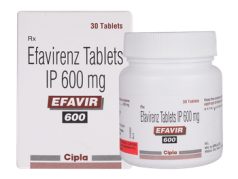
Efavirenz-based Combinations (Atripla)
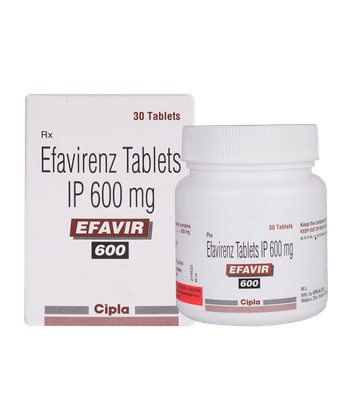
Atripla combines efavirenz, emtricitabine, and tenofovir disoproxil fumarate in a once-daily tablet. This established regimen provides effective viral suppression, though potential neuropsychiatric side effects require careful monitoring and patient counselling regarding timing of administration.
Tenofovir Combinations (Truvada, Descovy)
Truvada contains emtricitabine and tenofovir disoproxil fumarate, whilst Descovy combines emtricitabine with tenofovir alafenamide. Both serve as backbone components in combination therapy and are approved for HIV prevention (PrEP) in high-risk individuals.
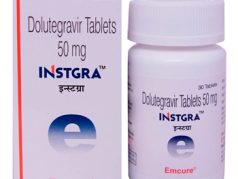
Dolutegravir-based Treatments (Tivicay, Triumeq)
Tivicay contains dolutegravir alone, whilst Triumeq combines dolutegravir with abacavir and lamivudine. These INSTI-based regimens offer excellent efficacy with minimal side effects and high barrier to resistance, making them preferred first-line treatments.
Rilpivirine Combinations (Eviplera, Odefsey)
Eviplera combines rilpivirine, emtricitabine, and tenofovir disoproxil fumarate, whilst Odefsey contains rilpivirine with emtricitabine and tenofovir alafenamide. These NNRTI-based regimens are suitable for treatment-naive patients with specific viral load requirements.
Single Tablet Regimens vs Multiple Pill Combinations
Single tablet regimens (STRs) offer convenient once-daily dosing, improving adherence and quality of life. However, multiple pill combinations provide greater flexibility for dose adjustments and managing side effects. Treatment choice depends on individual patient factors, resistance patterns, and comorbidities requiring personalised approaches.
Prescription Requirements and NHS Availability
HIV medications require specialist prescribing through NHS HIV clinics and sexual health services. All approved treatments are available on the NHS without charge to patients. Regular monitoring includes viral load testing, CD4 counts, and safety assessments through dedicated HIV services.
Specialist HIV clinic referral required for initial assessment
Regular monitoring appointments every 3-6 months
Free prescription charges for all HIV medications
Access to multidisciplinary care teams including specialist nurses and pharmacists
Same-day prescribing available at most HIV centres
Pre-Exposure Prophylaxis (PrEP) and Post-Exposure Prophylaxis (PEP)
What is PrEP and who should consider it
Pre-Exposure Prophylaxis (PrEP) is a daily medication taken by HIV-negative individuals to reduce their risk of acquiring HIV. PrEP is highly effective when taken consistently and is recommended for people at high risk of HIV exposure. Those who should consider PrEP include men who have sex with men, individuals with HIV-positive partners, people who inject drugs, and those engaging in condomless sex with multiple partners. Healthcare professionals can assess your individual risk and discuss whether PrEP is appropriate for your circumstances.
PrEP medications available and effectiveness
The primary PrEP medications available in the UK are Truvada (tenofovir/emtricitabine) and Descovy (tenofovir alafenamide/emtricitabine). When taken daily as prescribed, PrEP reduces the risk of HIV transmission through sexual contact by approximately 99% and by around 74% for people who inject drugs. Both medications contain antiretroviral drugs that prevent HIV from establishing infection in the body. Your healthcare provider will determine which medication is most suitable based on your medical history and kidney function.
PEP emergency treatment within 72 hours of exposure
Post-Exposure Prophylaxis (PEP) is an emergency HIV prevention treatment that must be started within 72 hours of potential exposure to HIV, though it's most effective when taken within 24 hours. PEP involves taking antiretroviral medications for 28 days to prevent HIV infection after potential exposure through sexual contact, needlestick injuries, or other high-risk situations. If you believe you've been exposed to HIV, seek immediate medical attention at A&E, sexual health clinics, or contact your GP urgently.
How to access PrEP and PEP through NHS and private prescriptions
PrEP is now available through NHS England following successful trials, and can be accessed through sexual health clinics and some GP practices. NHS Scotland, Wales, and Northern Ireland also provide PrEP services. Private prescriptions are available through specialist clinics and online services. For PEP, immediate access is available through NHS A&E departments, sexual health clinics, and some GP out-of-hours services. Both treatments require initial consultation and regular monitoring throughout use.
Living with HIV: Support and Management
Importance of medication adherence and viral suppression
Taking HIV medication exactly as prescribed is crucial for achieving and maintaining viral suppression. Modern antiretroviral therapy (ART) can reduce HIV viral load to undetectable levels, preserving immune system function and preventing HIV transmission to others. Missing doses or inconsistent adherence can lead to drug resistance, treatment failure, and increased risk of opportunistic infections. Your pharmacy team can provide adherence support tools and reminders to help maintain your treatment routine.
Regular monitoring and blood tests required
People living with HIV require regular monitoring through blood tests to assess viral load, CD4 cell count, and overall health markers. These tests are typically conducted every 3-6 months once stable on treatment. Monitoring helps healthcare providers adjust treatment plans, detect any complications early, and ensure optimal health outcomes. Additional tests may include kidney and liver function assessments, as well as screening for other sexually transmitted infections and general health conditions.
Managing side effects and drug interactions
While modern HIV medications are generally well-tolerated, some people may experience side effects such as nausea, headaches, or fatigue, particularly when starting treatment. Most side effects are temporary and improve within weeks. It's important to discuss any medications, supplements, or herbal remedies with your healthcare provider, as some may interact with HIV treatment. Your pharmacist can conduct medication reviews to identify potential interactions and provide guidance on managing any side effects effectively.
Lifestyle considerations and maintaining good health
Living well with HIV involves maintaining a healthy lifestyle alongside medical treatment. This includes eating a balanced diet, regular exercise, avoiding smoking, limiting alcohol consumption, and managing stress. Regular health screenings, vaccinations, and dental care are particularly important for people living with HIV. Safe sex practices remain essential to prevent transmission and protect against other sexually transmitted infections.
U=U (Undetectable = Untransmittable) concept explanation
U=U means that people with HIV who achieve and maintain an undetectable viral load through effective treatment cannot transmit HIV through sexual contact. This scientifically-proven concept has transformed understanding of HIV transmission risk and helps reduce stigma. Achieving undetectable status requires consistent adherence to treatment and regular monitoring. The U=U message provides reassurance for relationships and family planning for people living with HIV.
Additional Support and Resources
Pharmacy services for HIV patients
Community pharmacies offer specialised services for people living with HIV, including medication adherence support, regular medication reviews, and confidential consultations. Many pharmacies provide:
Multi-dose adherence packaging systems
Medication synchronisation services
Private consultation areas for sensitive discussions
Reminder systems and adherence monitoring
Coordination with HIV specialist teams
Travel advice and medication supply for holidays
Mental health and counselling resources
Living with HIV can impact mental health, and psychological support is an important part of comprehensive care. NHS mental health services, specialist HIV counsellors, and peer support programmes are available throughout the UK. Many HIV clinics have integrated mental health support, and organisations like the Terrence Higgins Trust offer counselling services. Online resources and telephone helplines provide additional support options for those who may prefer remote assistance.
Support organisations and charities in the UK
Several organisations across the UK provide support, information, and advocacy for people living with HIV. The Terrence Higgins Trust, National AIDS Trust, and Positive East offer comprehensive support services including peer mentoring, legal advice, and community programmes. Local support groups and buddy schemes are available in most areas, providing opportunities to connect with others who understand the experience of living with HIV.
Confidentiality and privacy protection
Patient confidentiality is rigorously protected under UK law and professional standards. Healthcare providers, including pharmacists, are bound by strict confidentiality requirements regarding HIV status and treatment. You have control over who has access to your information and can request additional privacy measures if needed. Discrimination based on HIV status is illegal, and support is available if you experience stigma or discrimination.
Emergency contacts and helplines
For urgent medical concerns, contact your HIV clinic directly or attend A&E. The Terrence Higgins Trust operates a national helpline (0808 802 1221) providing confidential advice and support. THT Direct offers online chat services and email support. Local sexual health clinics provide urgent advice regarding HIV-related concerns. In mental health emergencies, contact your GP, NHS 111, or the Samaritans (116 123) for immediate support.