Thyroid Hormones
Understanding thyroid function and hormone regulation
The thyroid gland produces essential hormones that regulate metabolism, energy levels, and overall body function. The primary hormones, thyroxine (T4) and triiodothyronine (T3), work together to control how quickly your body uses energy and affects nearly every organ system. The thyroid-stimulating hormone (TSH) from the pituitary gland regulates this delicate balance, making proper thyroid function crucial for maintaining optimal health.
Common thyroid conditions
Hypothyroidism occurs when the thyroid gland produces insufficient hormones, leading to symptoms such as fatigue, weight gain, and depression. Conversely, hyperthyroidism results from excessive hormone production, causing rapid heartbeat, weight loss, and anxiety. Both conditions require proper medical diagnosis and ongoing management with appropriate medications available through UK pharmacies.
Available medications in the UK
Several thyroid medications are readily available in the UK:
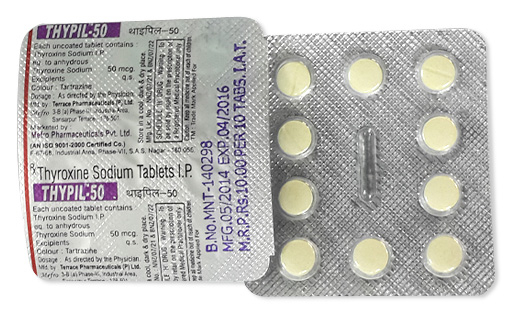
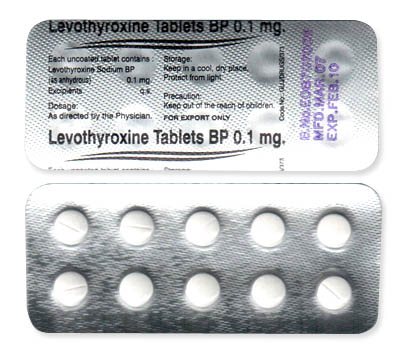
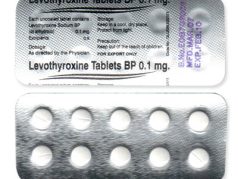
Levothyroxine (Eltroxin, Synthroid) - synthetic T4 hormone for hypothyroidism treatment
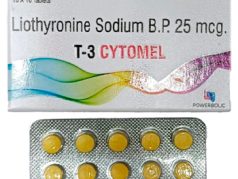
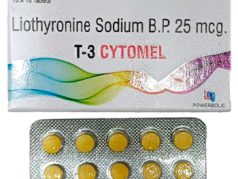
Liothyronine (Cytomel) - synthetic T3 hormone for specific cases
Carbimazole (Neo-Mercazole) - antithyroid medication for hyperthyroidism
Propylthiouracil - alternative antithyroid treatment option
Monitoring and considerations
Thyroid medications require careful dosage adjustments and regular monitoring through blood tests measuring TSH, T3, and T4 levels. Common side effects may include heart palpitations, insomnia, or digestive issues. Regular consultation with healthcare professionals ensures optimal treatment outcomes and prevents potential complications from improper dosing or drug interactions.
Sex Hormones
Role of sex hormones in the body
Oestrogen, progesterone, and testosterone play vital roles in reproductive health, bone density, cardiovascular function, and overall wellbeing. These hormones naturally decline with age, particularly during menopause in women and andropause in men, leading to various physical and emotional symptoms that may benefit from hormone replacement therapy under proper medical supervision.
Hormone replacement therapy for menopause
HRT effectively manages menopausal symptoms including hot flushes, night sweats, mood changes, and bone loss. Treatment plans are individually tailored based on personal medical history, symptom severity, and risk factors. The decision to begin HRT should involve thorough discussion with healthcare providers regarding potential benefits and risks.
Available HRT preparations in the UK
UK pharmacies stock various HRT formulations to suit different needs:
Oestrogen-only preparations (Premarin, Elleste Solo) - suitable for women without a uterus
Combined oestrogen and progestogen (Kliovance, Femoston) - for women with intact uterus
Testosterone replacement (Testogel, Nebido) - for men with clinically low testosterone levels
Delivery methods and considerations
HRT is available in multiple forms including tablets, transdermal patches, topical gels, and subcutaneous implants. Each method offers distinct advantages regarding convenience, absorption rates, and side effect profiles. Patches and gels often provide more consistent hormone levels whilst avoiding first-pass liver metabolism associated with oral preparations.
Benefits, risks, and monitoring
HRT benefits include symptom relief, bone protection, and improved quality of life. However, potential risks such as increased blood clot risk, breast cancer concerns, and cardiovascular effects require careful consideration. Regular monitoring through clinical assessments and appropriate investigations ensures safe, effective treatment whilst minimising potential adverse effects and optimising therapeutic outcomes.
Diabetes Management Hormones
Diabetes management relies heavily on understanding and properly utilising hormonal treatments to maintain optimal blood glucose levels. For individuals living with diabetes in the UK, access to appropriate hormone therapies through the NHS and registered pharmacies ensures comprehensive care and improved quality of life.
Understanding Insulin and Its Role in Blood Sugar Control
Insulin is a vital hormone produced by the pancreas that regulates blood glucose levels by facilitating the uptake of glucose into cells. In diabetes, either insufficient insulin production or reduced insulin sensitivity leads to elevated blood sugar levels, requiring external hormone supplementation. Proper insulin therapy mimics the body's natural insulin patterns, helping maintain glucose levels within target ranges and preventing both acute and long-term complications.
Types of Diabetes and Hormone Requirements
Type 1 diabetes requires complete insulin replacement therapy, as the pancreas produces little to no insulin. Type 2 diabetes may initially be managed with lifestyle modifications and non-insulin medications, but often progresses to require insulin therapy. Each type demands tailored hormonal approaches, with treatment plans adjusted based on individual patient factors, lifestyle, and glucose monitoring results.
Insulin Preparations Available in the UK
The UK market offers various insulin formulations to meet diverse patient needs:
Rapid-acting insulin: Humalog and NovoRapid provide quick glucose control for mealtime coverage, typically administered 15 minutes before eating
Long-acting insulin: Lantus and Levemir offer 24-hour basal insulin coverage with minimal peaks, usually administered once daily
Mixed insulin preparations: Combination formulations providing both rapid and intermediate-acting insulin in predetermined ratios for simplified dosing regimens
Non-Insulin Diabetes Medications Affecting Hormones
Modern diabetes treatment includes innovative hormone-based therapies that work alongside or instead of traditional insulin. GLP-1 agonists such as Victoza and Trulicity mimic incretin hormones, stimulating insulin release whilst suppressing glucagon production. SGLT2 inhibitors work through different mechanisms but complement hormonal approaches by reducing glucose reabsorption in the kidneys, providing comprehensive diabetes management options.
Injection Techniques and Storage Requirements
Proper injection technique ensures optimal hormone absorption and treatment efficacy. Insulin and other injectable diabetes hormones require refrigerated storage before opening, with opened preparations typically stable at room temperature for 28 days. Rotation of injection sites prevents lipodystrophy, whilst correct needle disposal through pharmacy return schemes maintains community safety standards required in the UK.
Blood Glucose Monitoring and Adjustment Protocols
Effective hormone therapy requires regular blood glucose monitoring to guide dose adjustments. NHS guidelines recommend specific testing frequencies based on treatment type and diabetes classification. Continuous glucose monitoring systems increasingly support hormone therapy optimisation, providing detailed glucose patterns that inform treatment modifications and improve overall diabetes control.
Growth and Development Hormones
Growth and development hormones play crucial roles throughout life, from childhood growth to adult metabolic function. In the UK, specialised hormone treatments address various growth disorders and developmental conditions under careful medical supervision, ensuring safe and effective therapeutic outcomes.
Growth Hormone Deficiency in Children and Adults
Growth hormone deficiency can occur at any age, presenting as poor growth in children or metabolic dysfunction in adults. Paediatric cases often manifest as significantly reduced growth velocity, whilst adult deficiency may cause increased body fat, reduced muscle mass, and decreased bone density. UK endocrinology services provide comprehensive assessment and treatment pathways for both populations.
Human Growth Hormone Therapy
Licensed growth hormone preparations including Genotropin and Humatrope offer effective treatment for confirmed growth hormone deficiency. These recombinant human growth hormone products undergo rigorous quality testing and are available through NHS prescription for eligible patients. Treatment requires specialist initiation and ongoing monitoring through designated endocrinology centres across the UK.
Conditions Requiring Growth Hormone Treatment
Several conditions warrant growth hormone therapy consideration:
Growth hormone deficiency syndrome in children and adults
Turner syndrome and other chromosomal abnormalities affecting growth
Chronic kidney disease with growth failure
Small for gestational age children who fail to achieve catch-up growth
Prader-Willi syndrome with associated growth and metabolic complications
Administration Methods and Dosing Schedules
Growth hormone therapy typically involves daily subcutaneous injections, preferably administered in the evening to mimic natural hormone secretion patterns. Modern injection devices offer user-friendly administration with precise dosing capabilities. Treatment dosing is individualised based on body weight, response to therapy, and specific medical indication, with regular adjustments made according to growth parameters and biochemical markers.
Monitoring Growth Parameters and Side Effects
Comprehensive monitoring includes regular height and weight measurements, bone age assessments, and biochemical evaluations including IGF-1 levels. Potential side effects such as injection site reactions, headaches, or joint discomfort require careful monitoring. Long-term surveillance includes assessment for any increased cancer risk or development of antibodies to growth hormone, ensuring treatment safety throughout the therapeutic course.
Other Developmental Hormones and Their Applications
Beyond growth hormone, other developmental hormones address specific conditions affecting normal development. Sex hormone replacement may be necessary for delayed puberty or hypogonadism, whilst thyroid hormones support normal growth and development. Each hormone therapy requires specialist assessment and ongoing monitoring to ensure appropriate treatment outcomes.
Age-Related Hormone Changes and Treatments
Natural ageing processes affect hormone production and sensitivity, sometimes requiring therapeutic intervention. Age-related growth hormone decline contributes to various metabolic changes, though routine replacement in healthy ageing remains controversial. UK clinical guidelines emphasise evidence-based treatment decisions, focusing on patients with confirmed deficiency states rather than age-related decline alone.
Adrenal and Stress Hormones
The adrenal glands produce essential hormones that help regulate metabolism, immune response, blood pressure, and the body's response to stress. Cortisol, often called the "stress hormone," plays a crucial role in maintaining normal physiological functions throughout the day and helping the body cope with physical and emotional stress.
Cortisol and Its Functions in the Body
Cortisol is a vital steroid hormone produced by the adrenal cortex that follows a natural daily rhythm, typically peaking in the morning and declining throughout the day. This hormone helps regulate blood sugar levels, reduces inflammation, influences blood pressure, and affects immune system responses. Proper cortisol function is essential for energy metabolism and the body's ability to respond appropriately to stressful situations.
Adrenal Insufficiency and Addison's Disease
Adrenal insufficiency occurs when the adrenal glands fail to produce adequate amounts of cortisol and, in some cases, aldosterone. Primary adrenal insufficiency, known as Addison's disease, is a rare but serious condition that requires lifelong hormone replacement therapy. Symptoms may include fatigue, weight loss, low blood pressure, and darkening of the skin. Early diagnosis and appropriate treatment are crucial for managing this condition effectively.
Corticosteroid Replacement Therapy
Patients with adrenal insufficiency require carefully managed hormone replacement therapy to maintain normal physiological functions. Treatment typically involves:
Hydrocortisone (Cortef) - the preferred glucocorticoid replacement, closely mimicking natural cortisol
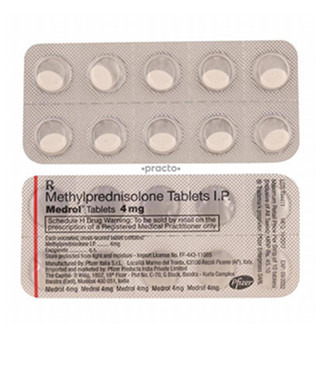
Prednisolone - an alternative corticosteroid for patients who cannot tolerate hydrocortisone
Fludrocortisone (Florinef) - a mineralocorticoid used to replace aldosterone function when necessary
Emergency Protocols for Adrenal Crisis
Adrenal crisis is a life-threatening emergency that can occur in patients with adrenal insufficiency. Healthcare providers and patients must be aware of emergency protocols, including the immediate administration of high-dose hydrocortisone and seeking urgent medical attention. Patients are typically provided with emergency injection kits and clear instructions on when and how to use them during times of severe illness, injury, or stress.
Reproductive and Fertility Hormones
Reproductive hormones play a fundamental role in fertility, sexual development, and reproductive health for both men and women. Modern medicine offers various hormonal treatments to address fertility challenges, reproductive disorders, and hormone imbalances that can affect conception and pregnancy outcomes.
Fertility Treatments and Hormone Regulation
Fertility treatments often involve carefully orchestrated hormone therapies designed to optimise reproductive function and increase the chances of successful conception. These treatments require specialist monitoring and are typically administered under the guidance of fertility consultants who can adjust dosages and timing based on individual patient responses and monitoring results.
Ovulation Induction Medications
For women experiencing ovulation difficulties, several medications can help stimulate and regulate the ovulation process:
Clomifene citrate (Clomid) - an oral medication that stimulates ovulation by blocking oestrogen receptors
Gonadotropins such as Gonal-F and Menopur - injectable hormones that directly stimulate the ovaries to produce eggs
Letrozole - an aromatase inhibitor sometimes used as an alternative to clomifene
Metformin - often used in conjunction with other treatments, particularly for patients with PCOS
PCOS Management with Hormonal Interventions
Polycystic ovary syndrome (PCOS) affects many women of reproductive age and often requires comprehensive hormonal management. Treatment approaches may include combined oral contraceptives to regulate menstrual cycles, anti-androgen medications to address excess male hormone symptoms, and insulin-sensitising agents to improve metabolic function. Each treatment plan is individualised based on the patient's specific symptoms and fertility goals.
Male Fertility Hormone Treatments
Male fertility issues can also benefit from hormonal interventions when appropriate. Treatments may include testosterone replacement therapy for hypogonadism, medications to stimulate natural testosterone production, or specific treatments to address hormonal imbalances affecting sperm production and quality. These treatments require careful monitoring to ensure optimal results whilst minimising potential side effects.
Safety Considerations and Specialist Monitoring Requirements
All reproductive hormone treatments require regular monitoring and follow-up care to ensure safety and effectiveness. Patients should be aware of potential side effects, drug interactions, and the importance of adhering to prescribed monitoring schedules. Treatment should always be supervised by qualified healthcare professionals with expertise in reproductive medicine, and patients should feel comfortable discussing any concerns or side effects with their healthcare team.