Understanding Hypertension
Hypertension, commonly known as high blood pressure, is a condition where blood pressure in the arteries is persistently elevated. Blood pressure readings consist of two numbers: systolic pressure (the higher number) when the heart beats, and diastolic pressure (the lower number) when the heart rests between beats. Normal blood pressure is typically below 120/80 mmHg, whilst hypertension is generally diagnosed when readings consistently exceed 140/90 mmHg.
Types of Hypertension
Primary hypertension, which accounts for 90-95% of cases, develops gradually without an identifiable cause. Secondary hypertension results from underlying conditions such as kidney disease, thyroid disorders, or certain medications.
Risk Factors and Warning Signs
Key risk factors include age, family history, obesity, excessive salt intake, lack of physical activity, smoking, and excessive alcohol consumption. Hypertension is often called the "silent killer" because it frequently presents no obvious symptoms. However, some individuals may experience:
Headaches, particularly in the morning
Dizziness or lightheadedness
Chest pain or shortness of breath
Visual changes or nosebleeds
Regular blood pressure monitoring is crucial, as untreated hypertension significantly increases the risk of heart disease, stroke, kidney damage, and other serious health complications. The NHS recommends adults have their blood pressure checked at least every five years.
Available Hypertension Medications in the UK
The NHS provides access to various effective antihypertensive medications, typically prescribed following NICE guidelines. Treatment often begins with a single medication, with additional drugs added if blood pressure targets aren't achieved.
First-Line Treatments
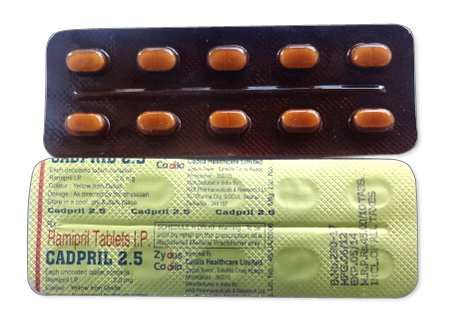
ACE inhibitors such as ramipril, lisinopril, and perindopril are commonly prescribed initial treatments, particularly for patients under 55 or those with diabetes. These medications work by relaxing blood vessels and reducing the heart's workload.
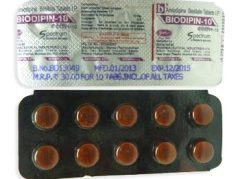
Calcium channel blockers, including amlodipine, nifedipine, and felodipine, are often preferred for patients over 55 or those of African or Caribbean descent. They work by preventing calcium from entering heart and blood vessel cells, causing vessels to relax.
Additional Treatment Options
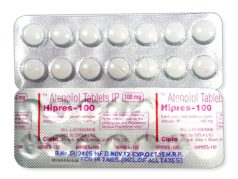
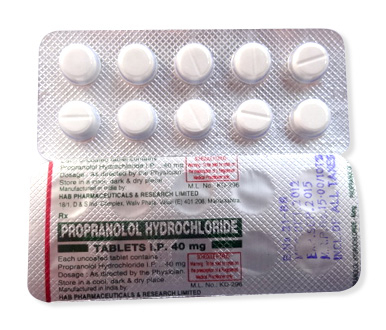
Thiazide-like diuretics such as bendroflumethiazide and indapamide help remove excess salt and water from the body. Beta-blockers including atenolol, bisoprolol, and propranolol may be prescribed when other medications aren't suitable or for patients with specific heart conditions.
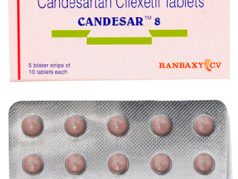
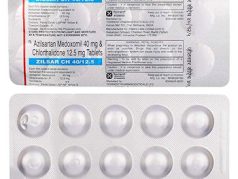
Angiotensin receptor blockers (ARBs) like losartan, candesartan, and valsartan offer an alternative for patients who cannot tolerate ACE inhibitors. Various combination medications are also available on the NHS, combining two different drug classes in a single tablet to improve convenience and medication adherence.
How Blood Pressure Medications Work
Blood pressure medications work through different mechanisms to reduce the strain on your cardiovascular system. Understanding how these treatments function can help you better manage your condition and work effectively with your healthcare provider.
Mechanisms of Action for Different Drug Classes
ACE inhibitors work by blocking the production of angiotensin II, a hormone that narrows blood vessels. Calcium channel blockers prevent calcium from entering heart and blood vessel cells, causing vessels to relax. Beta-blockers reduce the heart rate and the heart's output of blood, whilst diuretics help the kidneys remove excess sodium and water from the body.
When Each Type is Typically Prescribed
Your GP will consider factors such as your age, ethnicity, other health conditions, and potential side effects when selecting medication. ACE inhibitors are often first-line treatments for patients under 55, whilst calcium channel blockers may be preferred for patients of African or Caribbean origin or those over 55.
Expected Timeframes and Side Effects
Most blood pressure medications begin working within hours, but it may take several weeks to see the full effect. Common side effects vary by medication type but may include:
Dizziness or light-headedness
Fatigue or weakness
Dry cough (particularly with ACE inhibitors)
Ankle swelling
Headaches
Adherence to your prescribed treatment regimen is crucial for effectively controlling blood pressure and reducing your risk of serious complications such as stroke and heart attack.
Monitoring and Management
Effective hypertension management requires regular monitoring and ongoing support from healthcare professionals. Your local pharmacy plays a vital role in helping you maintain optimal blood pressure control through various services and guidance.
Home Blood Pressure Monitoring Devices
Home monitoring provides valuable insights into your blood pressure patterns throughout the day. Digital monitors with an appropriately sized cuff are recommended by the British Hypertension Society. Your pharmacist can help you select a validated device and ensure you're using it correctly.
When and How to Check Blood Pressure
For accurate readings, measure your blood pressure at the same times daily, preferably in the morning and evening. Sit quietly for five minutes beforehand, avoid caffeine and exercise for 30 minutes prior, and take multiple readings. The following schedule is typically recommended:
Daily monitoring when starting new medication
Weekly checks once blood pressure is stable
More frequent monitoring during medication adjustments
Before medical appointments to share with your healthcare provider
Professional Support and NHS Services
Many pharmacies offer blood pressure checking services, medication reviews, and New Medicine Service consultations. Regular NHS health checks, available every five years for adults aged 40-74, include blood pressure screening. Your pharmacist can also provide guidance on lifestyle modifications and ensure you're getting the most benefit from your treatment regimen.
Lifestyle Modifications and Support
Managing hypertension effectively extends far beyond medication alone. Implementing sustainable lifestyle changes can significantly reduce blood pressure levels and improve overall cardiovascular health. These modifications work alongside prescribed treatments to provide comprehensive blood pressure management.
Dietary Changes and Salt Reduction
A heart-healthy diet plays a crucial role in controlling blood pressure. The DASH (Dietary Approaches to Stop Hypertension) eating plan emphasises fruits, vegetables, whole grains, and lean proteins whilst limiting saturated fats and processed foods. Reducing sodium intake to less than 6 grams per day, as recommended by the NHS, can lead to measurable improvements in blood pressure readings. Focus on fresh, unprocessed foods and use herbs and spices rather than salt for flavouring meals.
Exercise Recommendations
Regular physical activity strengthens the heart muscle, enabling it to pump blood more efficiently with less effort. The NHS recommends at least 150 minutes of moderate-intensity aerobic activity weekly, such as brisk walking, swimming, or cycling. Even modest increases in activity levels can contribute to blood pressure reduction. Always consult your GP before beginning a new exercise programme, particularly if you have existing health conditions.
Weight Management
Maintaining a healthy weight reduces the workload on your cardiovascular system. Even modest weight loss of 5-10% of body weight can result in meaningful blood pressure improvements. Combine a balanced, calorie-controlled diet with regular physical activity for sustainable weight management. Your local pharmacy can provide guidance on healthy weight loss approaches and may offer weight management services.
Stress Reduction Techniques
Chronic stress can contribute to elevated blood pressure levels. Effective stress management techniques include:
Deep breathing exercises and meditation
Regular yoga or tai chi practice
Adequate sleep of 7-9 hours nightly
Time management and relaxation techniques
Engaging in hobbies and social activities
Smoking Cessation Support
Smoking significantly increases cardiovascular disease risk and can interfere with blood pressure medications' effectiveness. The NHS provides comprehensive smoking cessation services, including nicotine replacement therapy, prescription medications, and behavioural support. Many pharmacies offer smoking cessation consultations and can provide personalised quit plans to help you stop smoking successfully.
Alcohol Consumption Guidelines
Excessive alcohol consumption can raise blood pressure and reduce the effectiveness of antihypertensive medications. The UK Chief Medical Officers recommend not regularly exceeding 14 units of alcohol per week, spread over at least three days. If you drink this amount, include several alcohol-free days each week. One unit equals approximately half a pint of regular strength beer or a small glass of wine.
When to Seek Medical Advice
Understanding when to seek professional medical guidance is essential for effective hypertension management. Regular monitoring and communication with healthcare professionals ensure optimal treatment outcomes and help prevent serious complications.
Emergency Symptoms Requiring Immediate Attention
Certain symptoms require urgent medical attention and may indicate a hypertensive emergency. Call 999 immediately if you experience severe headaches, chest pain, difficulty breathing, severe anxiety, or visual disturbances alongside very high blood pressure readings. Other warning signs include nausea, vomiting, confusion, or symptoms suggesting stroke such as weakness or numbness on one side of the body.
Signs Medication Adjustments May Be Needed
Contact your GP if you experience persistent side effects from blood pressure medications, such as dizziness, fatigue, or swollen ankles. Additionally, if your home blood pressure readings consistently remain above target levels despite medication adherence, or if you develop new symptoms that may be medication-related, schedule an appointment for medication review and possible adjustments.
Regular GP Consultations and Reviews
Routine medical reviews are fundamental to successful hypertension management. Initially, appointments may be scheduled every few weeks whilst establishing effective treatment. Once blood pressure is well-controlled, reviews typically occur every 3-6 months. These consultations monitor treatment effectiveness, assess for complications, review medications, and adjust treatment plans as needed.
Pharmacy Consultation Services
Community pharmacies across the UK offer valuable blood pressure monitoring and consultation services. Many provide NHS Blood Pressure Check services, medication reviews, and lifestyle advice. Pharmacists can help optimise medication timing, explain potential side effects, and provide guidance on lifestyle modifications. Some pharmacies also offer private blood pressure monitoring services for convenient, regular health checks.
Blood Pressure Targets and Goals
Blood pressure targets vary depending on individual circumstances, age, and existing health conditions. Generally, the NHS aims for blood pressure below 140/90 mmHg for most adults, though lower targets of 130/80 mmHg may be appropriate for those with diabetes or kidney disease. People over 80 years may have slightly higher acceptable targets. Your healthcare provider will establish personalised targets based on your overall health profile and cardiovascular risk factors.