Erectile Dysfunction Treatment
Understanding Erectile Dysfunction
Erectile dysfunction (ED) affects millions of men across the UK, with prevalence increasing with age. Common causes include cardiovascular disease, diabetes, high blood pressure, obesity, and psychological factors such as stress, anxiety, and depression. Lifestyle factors including smoking, excessive alcohol consumption, and lack of physical activity can also contribute to ED development.
The condition significantly impacts relationships and mental wellbeing, often creating a cycle of performance anxiety that worsens symptoms. Many men experience reduced self-confidence, relationship strain, and decreased quality of life. It's important to seek medical advice when ED becomes persistent, as it may indicate underlying health conditions requiring treatment.
Available Treatments in the UK
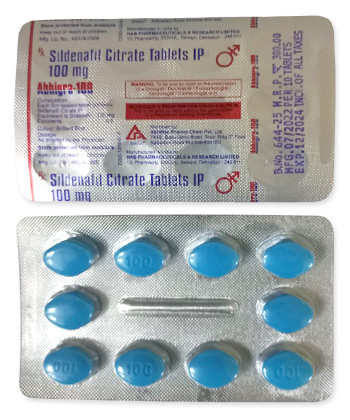
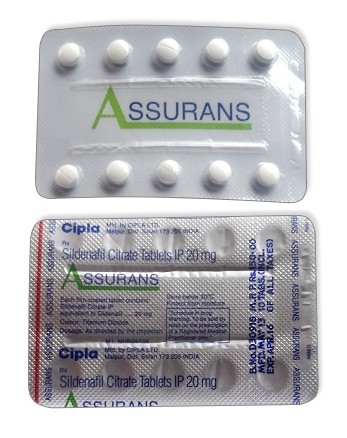
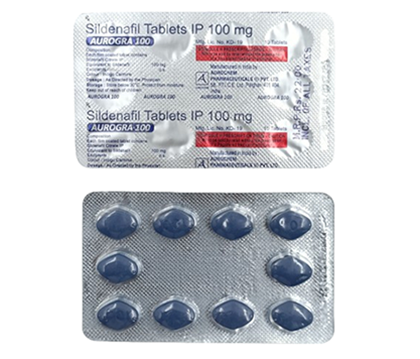
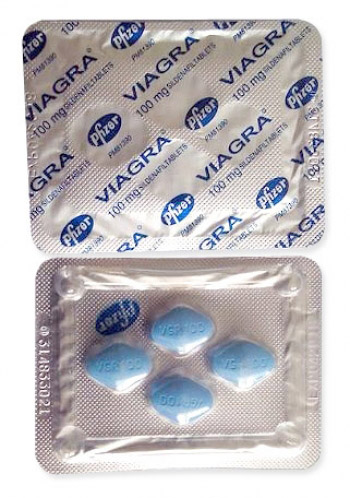
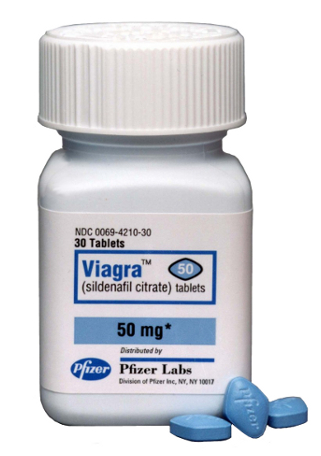
Several effective prescription treatments are available through UK pharmacies following proper medical consultation. Sildenafil (Viagra) remains the most widely prescribed option, typically effective within 30-60 minutes and lasting up to four hours. Available in 25mg, 50mg, and 100mg tablets, dosage depends on individual response and medical history.
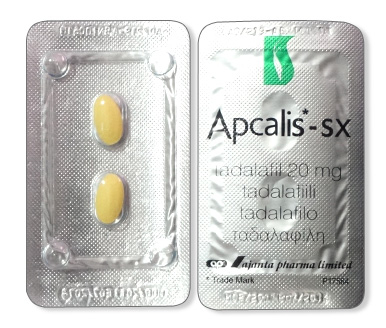
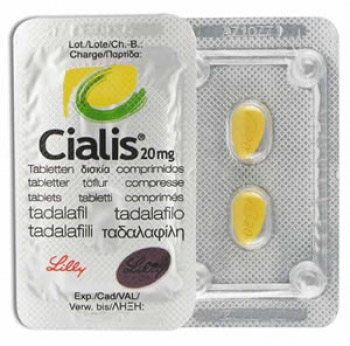
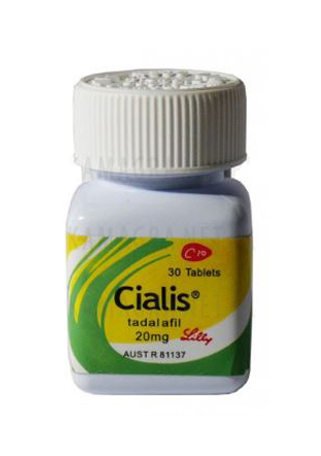
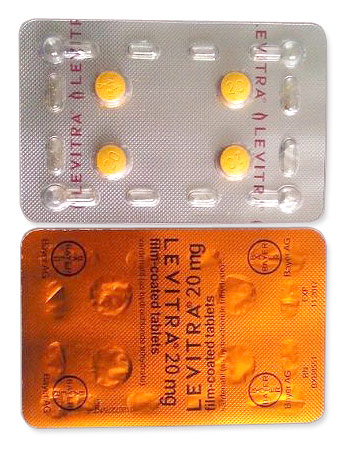
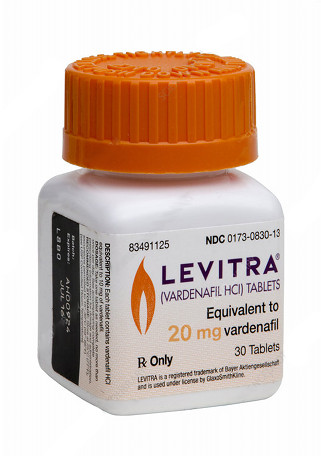
Tadalafil (Cialis) offers a longer-lasting alternative, remaining effective for up to 36 hours, making it suitable for men preferring spontaneity. Vardenafil (Levitra) provides another effective option with similar efficacy to sildenafil. All treatments require prescription following consultation with a qualified healthcare professional who will assess suitability and potential interactions.
Lifestyle Considerations
Supporting medical treatment with lifestyle improvements can enhance effectiveness:
Regular exercise and maintaining a healthy weight
Balanced diet rich in fruits, vegetables, and whole grains
Managing underlying conditions like diabetes and hypertension
Stress reduction through relaxation techniques or counselling
Limiting alcohol consumption and stopping smoking
Hair Loss Prevention and Treatment
Types of Male Hair Loss
Male pattern baldness, medically known as androgenetic alopecia, affects approximately 6.5 million men in the UK. This hereditary condition results from sensitivity to dihydrotestosterone (DHT), a hormone derived from testosterone. The process typically begins with receding hairlines and crown thinning, progressing in predictable patterns classified by the Norwood scale.
Early signs include increased hair shedding during washing or brushing, gradual thinning at the temples, and reduced hair density at the crown. Genetic predisposition plays the primary role, though hormonal changes, stress, and certain medications can accelerate the process. Early intervention often yields better results than waiting until significant loss has occurred.
UK-Available Treatments
Finasteride (Propecia) represents the gold standard oral treatment, available as 1mg daily tablets. This prescription medication blocks DHT production, effectively slowing hair loss in 80-90% of men and promoting regrowth in approximately two-thirds of users. Results typically become apparent after three to six months of consistent use.
Minoxidil, available as 2% or 5% topical solutions and foams, stimulates hair follicles and increases blood flow to the scalp. Applied twice daily, it can slow hair loss and encourage regrowth, particularly effective for crown thinning. Combination therapy using both finasteride and minoxidil often provides superior results compared to single-agent treatment.
Treatment duration considerations include:
Minimum six-month commitment before evaluating effectiveness
Continued use required to maintain benefits
Gradual improvement over 12-24 months
Individual response varies significantly between patients
Hair Care and Maintenance
Proper Scalp Care Routines
Maintaining a healthy scalp is fundamental to promoting strong hair growth and preventing common issues such as dandruff, dryness, and hair loss. A proper scalp care routine begins with gentle cleansing using appropriate shampoos that match your hair type and scalp condition. For men experiencing hair thinning or scalp sensitivity, using mild, sulphate-free formulations can help maintain the natural oil balance whilst removing build-up and environmental pollutants.
Regular scalp massage, performed during shampooing or with specialised scalp treatments, improves blood circulation to hair follicles and can promote healthier hair growth. Additionally, avoiding excessive heat styling and harsh chemical treatments helps preserve scalp health and prevents damage to existing hair.
Nutritional Supplements Supporting Hair Health
Proper nutrition plays a crucial role in maintaining healthy hair growth and strength. Key nutrients that support hair health include:
Biotin and B-complex vitamins for hair structure and growth
Iron and zinc to prevent deficiency-related hair loss
Omega-3 fatty acids for scalp health and shine
Vitamin D for follicle health and hair cycle regulation
Protein supplements to support keratin production
Professional Consultation Importance
Consulting with healthcare professionals or qualified trichologists is essential for addressing persistent hair concerns or sudden changes in hair health. Early intervention can often prevent progression of conditions such as male pattern baldness or underlying health issues manifesting through hair loss. Professional assessment can determine whether hair changes are due to genetic factors, nutritional deficiencies, stress, or medical conditions requiring specific treatment approaches.
Prostate Health Management
Understanding Prostate Health
The prostate gland, roughly the size of a walnut, plays a vital role in male reproductive health by producing fluid that nourishes and transports sperm. Located below the bladder and surrounding the urethra, this small gland can significantly impact quality of life when problems arise. Common prostate issues include inflammation (prostatitis), enlargement (benign prostatic hyperplasia), and in some cases, malignancy.
Age-related changes to the prostate are virtually universal among men, with symptoms typically beginning to appear after age 50. Early symptoms may include increased frequency of urination, particularly at night, difficulty starting urination, weak urine stream, and the feeling of incomplete bladder emptying. Benign prostatic hyperplasia (BPH) affects approximately 50% of men over 60 and up to 90% of men over 85, making it one of the most common conditions affecting older males.
Treatment Options Available
Modern pharmaceutical treatments offer effective management for prostate-related symptoms. Tamsulosin, an alpha-blocker, helps relax the muscles around the prostate and bladder neck, improving urinary flow and reducing uncomfortable symptoms. This medication is particularly effective for men experiencing moderate to severe lower urinary tract symptoms associated with BPH.
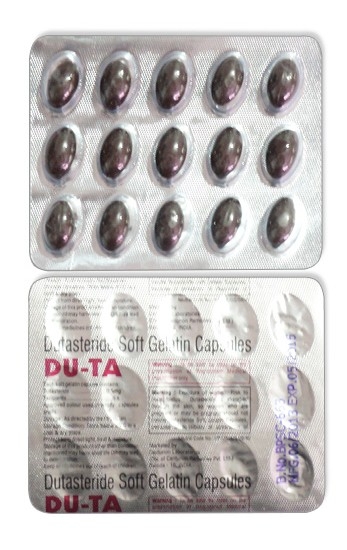
Finasteride works differently by reducing prostate size through inhibiting the hormone responsible for prostate growth. This treatment can be particularly beneficial for men with enlarged prostates and may also help prevent further progression of the condition. Alpha-blockers provide additional options for symptom management, often offering rapid improvement in urinary symptoms. Regular monitoring through check-ups and prostate-specific antigen (PSA) tests ensures treatment effectiveness and early detection of any concerning changes.
Preventive Measures
Maintaining prostate health involves adopting lifestyle modifications that support overall wellbeing. Dietary recommendations include increasing consumption of tomatoes (rich in lycopene), green tea, fatty fish, and cruciferous vegetables whilst limiting red meat and high-fat dairy products. Regular physical activity, particularly aerobic exercise and pelvic floor exercises, can help maintain healthy prostate function and reduce symptoms.
Warning signs requiring immediate medical attention include blood in urine, severe pain during urination, complete inability to urinate, fever accompanied by urinary symptoms, or sudden onset of severe pelvic or back pain. Prompt professional evaluation ensures appropriate treatment and rules out serious underlying conditions.
Testosterone and Hormone Support
Low Testosterone Recognition
Recognising the signs of low testosterone is crucial for maintaining optimal male health and wellbeing. Common symptoms of testosterone deficiency include persistent fatigue, reduced libido, difficulty concentrating, mood changes, and decreased muscle mass. Many men experience a gradual decline in testosterone levels after age 30, with levels dropping approximately 1% per year. This natural age-related decline can significantly impact energy levels, mood stability, and physical performance, affecting both professional and personal aspects of life.
Available Support Options
Several treatment approaches are available for men experiencing testosterone deficiency. Testosterone replacement therapy (TRT) requires careful medical evaluation and ongoing supervision from qualified healthcare professionals. Natural testosterone boosters and nutritional supplements may support healthy hormone production through ingredients like D-aspartic acid, zinc, and vitamin D3. Regular monitoring of hormone levels through blood tests ensures safe and effective treatment outcomes. In the UK, prescription testosterone treatments require consultation with a GP or specialist endocrinologist who can assess individual needs and determine the most appropriate intervention.
Lifestyle Enhancement
Supporting healthy testosterone levels extends beyond medical interventions to encompass comprehensive lifestyle modifications:
Resistance training and compound exercises like squats and deadlifts naturally boost testosterone production
Prioritising 7-9 hours of quality sleep each night optimises hormonal recovery and regulation
Managing chronic stress through meditation, yoga, or counselling prevents cortisol from suppressing testosterone
Maintaining a healthy weight through balanced nutrition supports optimal hormone function
General Men's Wellness
Preventive Health Measures
Proactive health management forms the foundation of long-term male wellness. Regular health screenings, including blood pressure monitoring, cholesterol checks, and diabetes screening, enable early detection and prevention of serious conditions. The NHS recommends routine cardiovascular assessments for men over 40, whilst mental health support has become increasingly recognised as essential. Many pharmacies across the UK now offer convenient health check services, making preventive care more accessible than ever before.
Vitamin and Supplement Support
Targeted nutritional support addresses specific male health requirements often overlooked in standard diets. High-quality men's multivitamins provide comprehensive nutritional insurance, whilst specific nutrients like zinc support testosterone production and immune function. Omega-3 fatty acids from fish oil supplements promote cardiovascular health and reduce inflammation. Vitamin D supplementation proves particularly important in the UK's climate, supporting immune system function, bone health, and potentially testosterone levels.
Healthy Lifestyle Integration
Sustainable wellness requires integrating healthy practices into daily routines rather than pursuing short-term fixes. Balanced nutrition emphasising lean proteins, complex carbohydrates, and healthy fats provides the foundation for optimal male health. Exercise recommendations vary by age and fitness level, from strength training for younger men to low-impact activities for older adults. Effective stress management techniques and gradual habit formation ensure long-term success in maintaining peak physical and mental wellbeing.