What Are Muscle Relaxants?
Muscle relaxants are a class of pharmaceutical medications designed to reduce muscle tension, spasms, and pain. These medicines work by targeting the central nervous system or directly affecting muscle fibres to provide relief from uncomfortable muscular conditions. They are commonly prescribed when patients experience persistent muscle pain, spasticity, or involuntary muscle contractions that interfere with daily activities and quality of life.
Muscle relaxants function through various mechanisms within the body. Most work by depressing the central nervous system, specifically targeting the brain and spinal cord pathways that control muscle contraction. They may block nerve signals that cause muscles to contract excessively or enhance the effects of neurotransmitters that promote muscle relaxation. Some medications act directly on muscle fibres themselves, interfering with the calcium release necessary for muscle contraction.
Types of Muscle Relaxants
There are two primary categories of muscle relaxants, each serving different therapeutic purposes:
Skeletal muscle relaxants: These target voluntary muscles attached to bones and are commonly used for conditions such as back pain, neck pain, and muscle spasms resulting from injury or strain.
Smooth muscle relaxants: These affect involuntary muscles found in organs such as the bladder, intestines, and blood vessels, often used for conditions like irritable bowel syndrome or overactive bladder.
Healthcare professionals typically prescribe muscle relaxants when patients suffer from acute muscle pain following injury, chronic conditions like multiple sclerosis or cerebral palsy, or when experiencing severe muscle spasms that don't respond to other treatments. They are often recommended as part of a comprehensive treatment plan that may include physiotherapy, rest, and other pain management strategies.
The therapeutic benefits of muscle relaxants include significant reduction in muscle pain and spasticity, improved mobility and range of motion, enhanced sleep quality when pain interferes with rest, and the ability to participate more effectively in rehabilitation programmes. These medications can provide crucial relief for patients dealing with debilitating muscle conditions, allowing them to return to normal activities more quickly.
Common Types of Muscle Relaxants Available in the UK
Baclofen
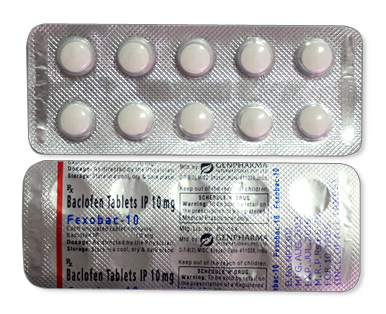
Baclofen is a widely prescribed muscle relaxant in the UK, primarily used to treat spasticity associated with multiple sclerosis, spinal cord injuries, and other neurological conditions. It works by acting on the GABA receptors in the spinal cord to reduce muscle stiffness and spasms. Baclofen is available in tablet form for oral administration and as an intrathecal injection for severe cases. Healthcare providers typically start patients on low doses and gradually increase them to minimise side effects whilst achieving optimal therapeutic benefit.
Diazepam
Diazepam, whilst primarily known as an anti-anxiety medication, possesses significant muscle relaxant properties that make it valuable for treating acute muscle spasms and tension. It belongs to the benzodiazepine class and works by enhancing the effect of GABA neurotransmitters in the brain and spinal cord. In the UK, diazepam is available on prescription and is often used for short-term treatment of severe muscle spasms, particularly those associated with anxiety or stress-related muscle tension.
Tizanidine
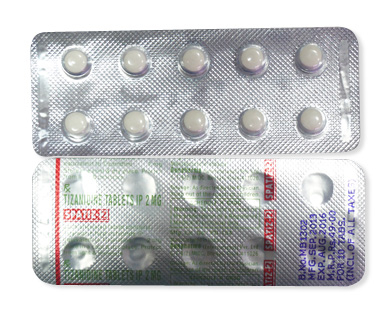
Tizanidine is an alpha-2 adrenergic agonist that provides effective muscle relaxation by acting on the central nervous system. It works by blocking nerve impulses that cause muscles to contract, making it particularly effective for treating spasticity in conditions such as multiple sclerosis and spinal cord injury. Available in tablet form, tizanidine is prescribed when patients require targeted spasticity management with potentially fewer side effects compared to other muscle relaxants.
Dantrolene
Dantrolene offers a unique mechanism of action among muscle relaxants, as it works directly on muscle fibres rather than through the central nervous system. It prevents calcium release within muscle cells, effectively reducing muscle contraction. This medication is particularly valuable for treating chronic spasticity and is also used in hospital settings for malignant hyperthermia. Dantrolene is available in capsule form and requires careful monitoring due to potential liver-related side effects.
Methocarbamol
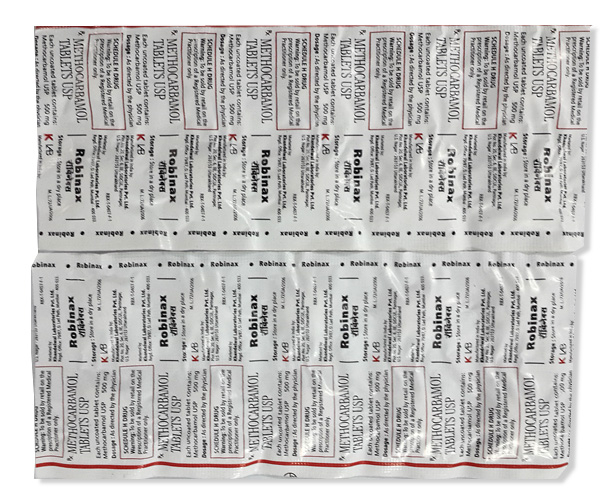
Methocarbamol is available in the UK for treating acute musculoskeletal conditions and muscle spasms. It works centrally to depress the nervous system pathways responsible for muscle contraction. This medication is typically prescribed for short-term use in conjunction with rest and physiotherapy for conditions such as acute back pain or muscle strains. Methocarbamol is available in both tablet and injection forms, depending on the severity of the condition being treated.
Cyclobenzaprine
Cyclobenzaprine has limited availability in the UK and is not commonly prescribed compared to other muscle relaxants. When available, it is primarily used for short-term treatment of muscle spasms associated with acute musculoskeletal conditions. Healthcare providers in the UK typically opt for alternative muscle relaxants that are more readily available and have established prescribing guidelines within the NHS framework.
Carisoprodol
Carisoprodol is not currently licensed for use in the UK due to regulatory concerns regarding its potential for dependence and abuse. UK healthcare providers typically prescribe alternative muscle relaxants such as baclofen, diazepam, or tizanidine, which offer similar therapeutic benefits with better safety profiles. Patients seeking muscle relaxant treatment will find these alternatives readily available through NHS prescriptions and provide effective relief for various muscle-related conditions.
Medical Conditions Treated with Muscle Relaxants
Muscle Spasms and Acute Back Pain
Muscle relaxants are commonly prescribed for sudden onset muscle spasms and acute lower back pain, providing relief when muscles contract involuntarily. These medications help reduce the intensity of painful muscle contractions and allow patients to regain normal movement patterns. Acute back pain episodes often respond well to short-term muscle relaxant therapy combined with appropriate rest and physiotherapy.
Multiple Sclerosis and Spasticity Management
For patients with multiple sclerosis, muscle relaxants play a crucial role in managing spasticity, which causes muscles to become stiff and difficult to control. These medications help improve mobility and reduce the discomfort associated with muscle rigidity. Specialist neurologists often prescribe specific muscle relaxants that target the central nervous system to provide effective spasticity relief whilst minimising side effects.
Cerebral Palsy and Neurological Conditions
Muscle relaxants are frequently used in managing cerebral palsy and other neurological conditions that cause abnormal muscle tone. These medications help reduce muscle stiffness and improve functional movement, particularly benefiting children and adults with spastic cerebral palsy. Treatment plans are typically coordinated by multidisciplinary teams including neurologists, physiotherapists, and occupational therapists.
Post-Surgical Muscle Tension Relief
Following surgical procedures, patients often experience muscle tension and spasms around the surgical site. Muscle relaxants can provide significant relief during the recovery period, helping to reduce pain and improve comfort levels. These medications are particularly useful after orthopaedic surgeries, spinal procedures, and operations involving significant muscle manipulation.
Sports Injuries and Muscle Strain
Athletes and active individuals frequently use muscle relaxants to treat acute muscle strains, pulls, and sports-related injuries. These medications help reduce muscle guarding and allow for proper healing whilst maintaining some degree of mobility. Sports medicine practitioners often incorporate muscle relaxants into comprehensive treatment plans that include physiotherapy and gradual return to activity protocols.
Chronic Pain Conditions
Muscle relaxants serve as valuable adjunct therapy in managing chronic pain conditions where muscle tension contributes to ongoing discomfort. Conditions such as tension headaches, temporomandibular joint disorders, and chronic neck pain often benefit from muscle relaxant therapy. Long-term management typically requires careful monitoring by healthcare professionals to ensure optimal therapeutic outcomes.
Fibromyalgia and Related Disorders
Patients with fibromyalgia often experience widespread muscle pain and stiffness that can be effectively managed with specific muscle relaxants. These medications help improve sleep quality and reduce the muscle tenderness characteristic of fibromyalgia. Treatment approaches often combine muscle relaxants with other therapies including gentle exercise, stress management, and sleep hygiene practices.
How Muscle Relaxants Work
Central Nervous System Action Mechanisms
Most muscle relaxants work by acting on the central nervous system, specifically targeting the brain and spinal cord to reduce muscle activity. These medications modify nerve signals that control muscle contraction, effectively reducing excessive muscle tone and spasms. The central action allows for systemic muscle relaxation whilst maintaining essential muscle functions required for daily activities.
Neurotransmitter Involvement and Muscle Contraction Inhibition
Muscle relaxants interfere with various neurotransmitters responsible for muscle contraction signals. They may enhance the effects of inhibitory neurotransmitters like GABA or block excitatory signals that cause muscle spasms. This neurotransmitter modulation creates a calming effect on overactive muscle fibres, reducing both voluntary and involuntary muscle contractions that contribute to pain and stiffness.
Differences Between Centrally Acting and Peripherally Acting Relaxants
Understanding the distinction between centrally and peripherally acting muscle relaxants is important for appropriate treatment selection:
Centrally acting relaxants work on the brain and spinal cord, affecting overall muscle tone and providing sedative effects
Peripherally acting relaxants target the neuromuscular junction directly, blocking nerve signals to specific muscle groups
Central agents are more commonly used for general muscle spasm relief and chronic conditions
Peripheral agents are typically reserved for surgical procedures and specific medical interventions
Timeline for Therapeutic Effects
The onset and duration of muscle relaxant effects vary depending on the specific medication and individual patient factors. Most oral muscle relaxants begin showing effects within 30 to 60 minutes of administration, with peak effects occurring between 1 to 4 hours. The duration of action typically ranges from 4 to 8 hours, though some longer-acting formulations provide extended relief throughout the day or night.
Interaction with Pain Pathways
Muscle relaxants often work synergistically with the body's pain management systems by interrupting the pain-spasm cycle. When muscles are injured or stressed, they can create a self-perpetuating cycle where pain causes muscle spasm, which in turn causes more pain. By breaking this cycle, muscle relaxants allow natural healing processes to occur more effectively and provide substantial pain relief.
Muscle Tone Reduction Processes
The reduction of muscle tone achieved by muscle relaxants occurs through several physiological processes. These medications decrease the frequency and intensity of nerve impulses reaching muscle fibres, allowing tight or spastic muscles to relax gradually. This process helps restore normal muscle length and flexibility whilst reducing the metabolic stress on overworked muscle tissues, promoting healing and functional recovery.
Safety Considerations and Side Effects
Muscle relaxants can cause various side effects that patients should be aware of before beginning treatment. The most common adverse reactions include drowsiness, dizziness, and fatigue, which typically occur within the first few days of treatment. These effects may diminish as your body adjusts to the medication.
Drug Interactions and Medical Considerations
Muscle relaxants can interact with numerous medications, including antidepressants, antihistamines, and opioid painkillers, potentially enhancing sedative effects. Patients with liver disease, kidney problems, or respiratory conditions should exercise particular caution. These medications are generally contraindicated in patients with myasthenia gravis or severe breathing difficulties.
Special Population Guidelines
Pregnant and breastfeeding women should consult their GP before using muscle relaxants, as safety data remains limited. Elderly patients require careful monitoring due to increased sensitivity and higher risk of falls from dizziness. Some muscle relaxants carry dependency potential with prolonged use, making gradual withdrawal necessary.
Critical safety warnings include avoiding alcohol consumption, which can dangerously amplify sedative effects. Patients must not drive or operate machinery whilst taking these medications, as reaction times and alertness may be significantly impaired.
Proper Usage and Prescription Guidelines
Muscle relaxants are prescription-only medicines (POMs) in the UK, requiring proper medical supervision and assessment. Your healthcare provider will determine the appropriate medication type and dosage based on your specific condition, medical history, and current medications.
Administration and Treatment Duration
Follow dosage instructions precisely as prescribed, typically starting with the lowest effective dose. Most muscle relaxants are intended for short-term use, usually 2-3 weeks, to minimise dependency risks and side effects. Take medications at consistent times, preferably with food to reduce stomach irritation.
Contact your GP if symptoms worsen or new side effects develop
Report any unusual muscle weakness or breathing difficulties immediately
Inform healthcare providers about all concurrent medications
Schedule regular follow-up appointments to monitor progress
Storage and Alternative Treatments
Store medications in original packaging at room temperature, away from children and moisture. Consider complementary treatments such as physiotherapy, heat therapy, or gentle stretching exercises alongside medication. Your pharmacist can provide valuable guidance regarding medication timing, potential interactions, and proper storage requirements.