Over-the-Counter Sleep Medications
Antihistamine-based Sleep Aids
Over-the-counter sleep medications in the UK primarily contain antihistamines such as diphenhydramine and promethazine. These medicines work by blocking histamine receptors in the brain, which naturally promotes drowsiness and helps you fall asleep more easily. The sedating effect occurs because antihistamines cross the blood-brain barrier and interfere with the brain's wake-promoting signals.
Several trusted brands are readily available in UK pharmacies:
Nytol Original and Nytol One-A-Night tablets
Sominex tablets for occasional sleeplessness
Phenergan Night Time for short-term sleep difficulties
Various pharmacy own-brand alternatives
Dosage and Safety Considerations
Most sleep aids should be taken 20-30 minutes before bedtime, following package instructions carefully. These medications are suitable for adults experiencing occasional sleeplessness due to stress, travel, or temporary disruptions. However, they're not recommended for long-term use and should be avoided by elderly individuals, pregnant women, and those with certain medical conditions. Common side effects include morning drowsiness, dry mouth, and potential next-day grogginess, so avoid driving or operating machinery if affected.
Herbal and Natural Sleep Remedies
Plant-Based Sleep Solutions
Herbal sleep remedies offer a gentler alternative for those seeking natural solutions. Valerian root is one of the most researched herbal sleep aids, with studies suggesting it may help reduce the time needed to fall asleep and improve sleep quality. Passionflower and chamomile are also popular choices, traditionally used for their calming properties and ability to ease anxiety that may interfere with sleep.
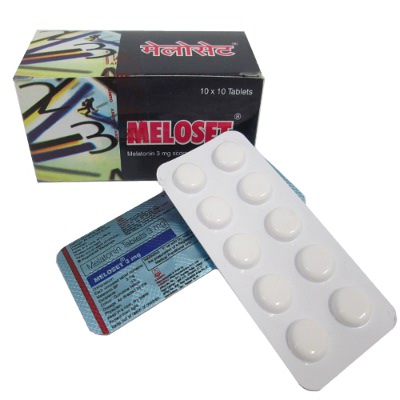
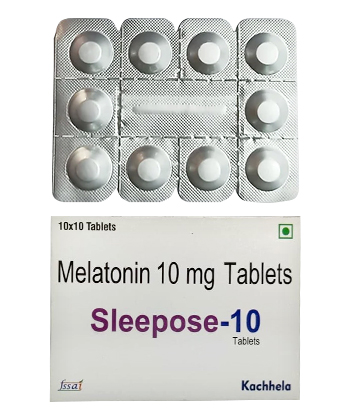
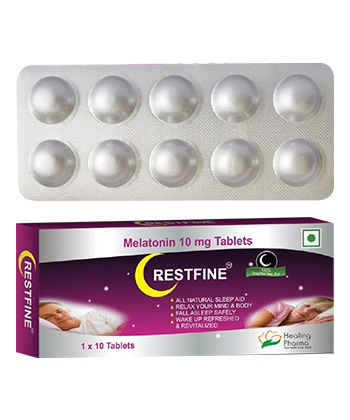
Melatonin supplements, whilst available in the UK, are regulated as prescription-only medicines for individuals over 55. Lavender-based products, including pillow sprays, essential oils, and tablets, provide aromatherapeutic benefits that can promote relaxation before bedtime.
Available Natural Options
Popular UK brands offering natural sleep solutions include:
Kalms Night tablets containing valerian and passion flower
Nytol Herbal tablets with passion flower extract
Tisserand and Neal's Yard lavender sleep products
Various chamomile teas and supplements
Whilst generally considered safer than synthetic alternatives, herbal remedies can still interact with prescription medications, particularly blood thinners and sedatives. Always consult your pharmacist before combining herbal sleep aids with other treatments.
Prescription Sleep Medications
Prescription sleep medications become necessary when over-the-counter remedies prove insufficient for addressing persistent insomnia or severe sleep disorders. UK GPs typically prescribe these medications when sleep difficulties significantly impact daily functioning or quality of life.
Common Types Prescribed by UK GPs
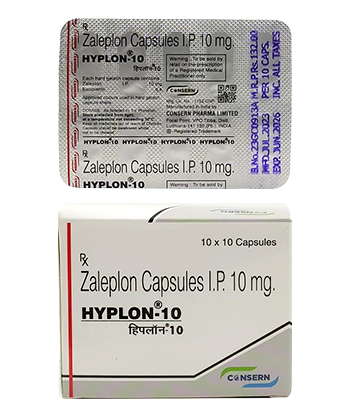
The most frequently prescribed sleep medications in the UK include zopiclone and zolpidem, both belonging to the "Z-drug" category. These medications work by enhancing the brain's natural sleep chemicals and are generally considered safer than older benzodiazepine alternatives.
Treatment Approaches and Access
Short-term treatment (typically 2-4 weeks) is the preferred approach for most patients, helping to break cycles of poor sleep whilst addressing underlying causes. Long-term treatment may be considered for chronic conditions under careful medical supervision.
To obtain prescription sleep medication, patients must consult their GP or a sleep specialist. The process involves:
Comprehensive sleep history assessment
Review of current medications and health conditions
Discussion of previous treatment attempts
Consideration of potential drug interactions
Safety Considerations
Dependency risks and withdrawal symptoms require careful monitoring. Regular follow-up appointments ensure medication effectiveness and safety. Alternative prescription options for chronic insomnia include low-dose antidepressants and melatonin, particularly for patients over 55.
Sleep Aid Accessories and Non-Medication Solutions
Non-medication sleep solutions offer effective alternatives for improving sleep quality without pharmaceutical intervention. These accessories address environmental factors and promote natural relaxation responses.
Environmental Sleep Aids
Eye masks and blackout curtains create optimal darkness for melatonin production, whilst earplugs and white noise devices minimise disruptive sounds. Temperature regulation aids, including cooling mattress toppers and breathable bedding, maintain comfortable sleeping conditions throughout the night.
Aromatherapy and Fragrance Solutions
Essential oils such as lavender, chamomile, and bergamot have proven sleep-promoting properties. Pillow sprays and bedroom diffusers provide convenient delivery methods for these natural relaxants. Popular aromatherapy products include:
Lavender pillow mists
Chamomile room sprays
Essential oil roll-ons for pulse points
Bedside diffusers with timer functions
Sleep Hygiene and Relaxation Tools
Establishing consistent bedtime routines using sleep hygiene products significantly improves sleep quality. Relaxation and meditation tools, including guided sleep apps, breathing exercise devices, and weighted blankets, help calm the mind and prepare the body for restorative sleep naturally.
Choosing the Right Sleep Aid for Your Needs
Selecting the appropriate sleep aid requires understanding your specific sleep challenges. Different types of sleep problems—such as difficulty falling asleep, frequent night wakings, or early morning awakening—may benefit from different treatments. Consider whether your sleep issues are temporary (due to stress or travel) or chronic, as this influences the most suitable approach.
Key Selection Factors
When choosing sleep aids, consider your age, existing medical conditions, and current medications. Elderly individuals often require lower doses and shorter-acting formulations to prevent morning drowsiness and reduce fall risk. Young adults may benefit from different preparations, whilst those with underlying health conditions need careful product selection.
Pregnancy and breastfeeding require special consideration, as many sleep aids are not recommended during these periods. Always consult your pharmacist or GP before using any sleep aid if you're pregnant, planning pregnancy, or breastfeeding.
Start with the lowest effective dose
Consider your work schedule and morning commitments
Review any existing medications for potential interactions
Allow for trial periods to assess effectiveness
Your local pharmacist can provide valuable guidance on product selection and help you understand which options align with your specific circumstances and health profile.
Safety Guidelines and Important Considerations
Always read product labels carefully and follow dosage instructions precisely. Taking more than the recommended amount can lead to dangerous side effects and doesn't improve effectiveness. Pay particular attention to timing recommendations, as some sleep aids require administration 30-60 minutes before bedtime.
Critical Safety Warnings
Sleep aids can interact with numerous medications, including prescription drugs, other over-the-counter medicines, and herbal supplements. Avoid driving or operating machinery for at least 8 hours after taking any sleep aid, as drowsiness can persist well into the following day.
Never combine sleep aids with alcohol, as this significantly increases the risk of dangerous side effects, including respiratory depression and excessive sedation. Long-term use can lead to tolerance and dependence, so these products should typically be used for short periods only.
Store medicines in a cool, dry place away from children
Check expiry dates regularly and dispose of expired products safely
Seek immediate medical attention for suspected overdose
Monitor for unusual side effects or allergic reactions
If you experience persistent sleep problems despite using appropriate aids, consult your GP, as underlying medical conditions may require specific treatment approaches.