Understanding Nicotine Addiction and Why Quitting Matters
Nicotine addiction develops through both physical and psychological dependencies that make quitting challenging. When you smoke, nicotine reaches your brain within seconds, triggering the release of dopamine and creating feelings of pleasure and relaxation. Over time, your body becomes accustomed to these nicotine levels, requiring more cigarettes to achieve the same effect whilst developing withdrawal symptoms when levels drop.
The health benefits of quitting begin almost immediately. Within 20 minutes, your heart rate and blood pressure drop. After 12 hours, carbon monoxide levels normalise. Within weeks, circulation improves and lung function increases. After one year, your risk of coronary heart disease is cut in half, and after 10 years, your lung cancer risk drops significantly compared to continuing smokers.
Common withdrawal symptoms include irritability, anxiety, difficulty concentrating, increased appetite, and strong cravings. These symptoms typically peak within the first few days and gradually subside over several weeks. According to NHS statistics, approximately 65% of UK smokers want to quit, and those using stop smoking services are up to four times more likely to successfully quit compared to going "cold turkey" alone.
Nicotine Replacement Therapy (NRT) Options
Nicotine Patches
Nicotine patches provide steady nicotine release throughout the day, helping to reduce cravings and withdrawal symptoms. Available in various strengths (typically 7mg, 14mg, and 21mg), patches should be applied to clean, dry, hairless skin and rotated to different locations daily. Most users begin with higher strength patches and gradually reduce the dose over 8-12 weeks.
Nicotine Gum and Lozenges
Nicotine gum requires proper technique: chew slowly until you taste nicotine, then park between your cheek and gum. Available in 2mg and 4mg strengths, with flavours including mint, fruit, and original. Nicotine lozenges dissolve slowly in your mouth over 20-30 minutes, providing controlled nicotine release without the need for chewing.
Nicotine Inhalators and Combination Therapy
Inhalators mimic the hand-to-mouth action of smoking whilst delivering nicotine through shallow puffing. Each cartridge lasts approximately 20 minutes of active puffing. Many people benefit from combination NRT approaches, such as:
Long-acting patches for baseline nicotine levels
Short-acting products (gum, lozenges, inhalators) for breakthrough cravings
Behavioural support alongside pharmacological treatment
Prescription Stop Smoking Medications
Varenicline (Champix)
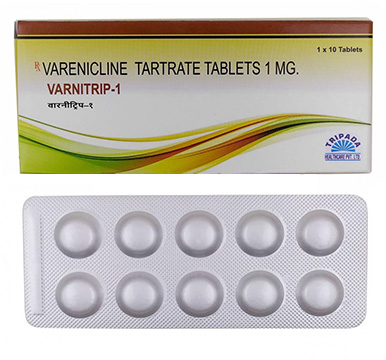
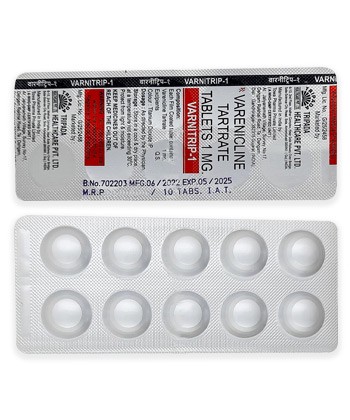
Varenicline works by blocking nicotine receptors in the brain whilst simultaneously providing mild stimulation to reduce withdrawal symptoms. The standard treatment course begins with a one-week starter pack, gradually increasing the dose before your quit date. Clinical trials demonstrate success rates of approximately 44% at 12 weeks, making it one of the most effective prescription cessation aids available.
Bupropion (Zyban)
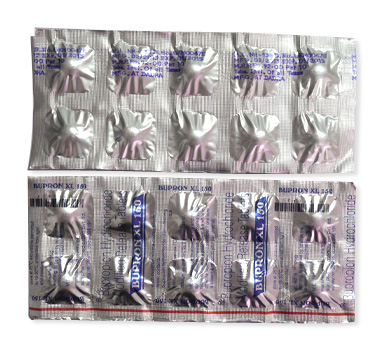
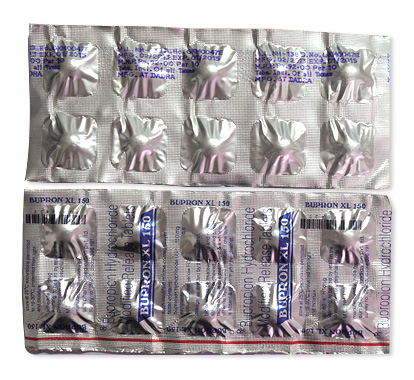
Originally developed as an antidepressant, bupropion helps reduce nicotine cravings and withdrawal symptoms through its action on dopamine and noradrenaline pathways. Treatment typically lasts 7-12 weeks, with the quit date set for the second week of therapy. Common side effects include dry mouth, difficulty sleeping, and dizziness.
NHS Prescription Access
Both medications are available on NHS prescription following consultation with your GP or practice nurse. Your healthcare provider will assess your smoking history, current health status, and previous quit attempts to determine the most suitable treatment option. Private prescriptions are also available for those preferring this route.
Alternative and Complementary Approaches
Electronic Cigarettes and Vaping
E-cigarettes are increasingly recognised as effective cessation tools, with many UK smokers successfully transitioning to vaping before gradually reducing nicotine levels. Regulated e-liquids and devices are available in pharmacies, offering a familiar hand-to-mouth action whilst delivering controlled nicotine doses.
Natural and Behavioural Support
UK pharmacies stock various herbal supplements including St John's wort and valerian root, though evidence for their effectiveness remains limited. Digital support tools offer proven benefits:
NHS Quit Smoking app with personalised tracking
Behavioural therapy programmes
Mindfulness and meditation apps
Online support communities
Acupuncture and hypnotherapy services, whilst popular, show mixed results in clinical studies. Many users find these approaches helpful when combined with other cessation methods and professional support.
Creating Your Personalised Quit Plan
Setting your quit date and preparation strategies
Choose a quit date within the next two weeks to maintain momentum whilst allowing adequate preparation time. Mark this date prominently in your diary and inform close friends and family. In the days leading up to your quit date, remove all smoking paraphernalia from your home, car, and workplace. Stock up on healthy snacks, sugar-free gum, and stress balls to keep your hands and mouth occupied.
Identifying personal smoking triggers and coping mechanisms
Keep a smoking diary for several days before quitting to identify when, where, and why you smoke. Common triggers include stress, alcohol, coffee breaks, or social situations. Develop specific coping strategies for each trigger, such as deep breathing exercises for stress or taking a different route to avoid your usual smoking spot.
Combining different cessation methods for maximum effectiveness
Research shows that combining methods significantly improves success rates. Consider pairing nicotine replacement therapy with behavioural support, or prescription medications with mindfulness techniques. Your pharmacist can advise on safe combinations and help you create a comprehensive approach tailored to your smoking patterns and lifestyle.
Maintaining Long-term Success and Preventing Relapse
Recognising early warning signs of potential relapse
Stay vigilant for warning signs such as romanticising smoking, keeping cigarettes "just in case," or gradually reducing your use of cessation aids without proper planning. Other red flags include increased stress levels, spending time with smoking friends, or telling yourself "just one won't hurt." Acknowledging these thoughts early allows you to take preventive action.
Strategies for handling stress and social situations
Develop a toolkit of stress management techniques including regular exercise, meditation, or hobby activities. In social situations where others smoke, prepare phrases to decline cigarettes politely and consider bringing a non-smoking friend for support. Practice the "4 D's" technique:
Delay the urge for 10 minutes
Deep breathe to reduce stress
Drink water to keep hands and mouth busy
Do something else to distract yourself
Reward systems and milestone celebrations
Calculate your daily smoking costs and set aside this money for meaningful rewards. Celebrate key milestones: 24 hours, one week, one month, three months, and one year smoke-free. Choose rewards that reinforce your healthy lifestyle, such as a spa day, new workout gear, or a weekend getaway with the money you've saved.
When to seek additional professional support
Don't hesitate to seek help if you experience severe withdrawal symptoms, persistent cravings after several weeks, or if you've relapsed. Contact your GP, pharmacist, or NHS Stop Smoking Services for additional support options, including prescription medications or intensive counselling programmes tailored to your specific challenges.