
Aldactone
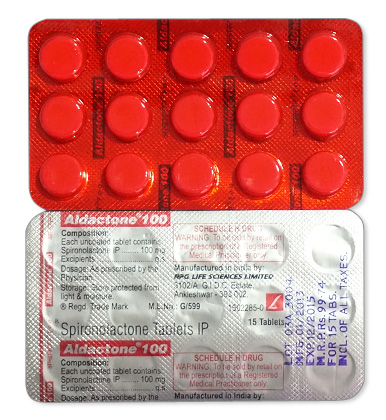
Aldactone
- Aldactone can be purchased without a prescription at various pharmacies, and it is available for delivery throughout the United Kingdom.
- Aldactone is used for the treatment of conditions such as hypertension, heart failure, and edema. It works as a potassium-sparing diuretic by antagonising aldosterone.
- The usual dosage of Aldactone varies, commonly starting at 25–100 mg daily depending on the condition being treated.
- The form of administration is available as tablets or as an oral suspension.
- The onset of action typically begins within 1–2 hours.
- The duration of action can last 24 hours.
- Alcohol consumption is not recommended while taking Aldactone due to the potential for increased side effects.
- The most common side effect is hyperkalemia.
- Would you like to try Aldactone without a prescription?
Aldactone
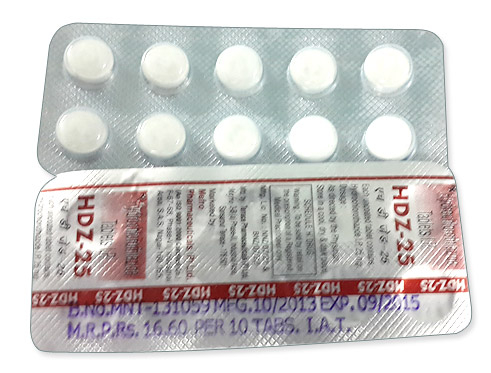

Basic Aldactone Information
- INN (International Nonproprietary Name): Spironolactone
- Brand Names Available in United Kingdom: Aldactone, QAIALDO
- ATC Code: C03DA01
- Forms & Dosages: 25mg, 50mg, 100mg tablets; 25mg/5ml oral suspension
- Manufacturers in United Kingdom: Pfizer, Teva, Mylan, Sandoz
- Registration Status in United Kingdom: Prescription-only (Rx)
- OTC / Rx Classification: Prescription-only (Rx)
Morning Vs Evening Dosing
Optimising the timing of Aldactone doses can significantly enhance its effectiveness. Patients often find that taking their dose in the morning helps prevent nighttime diuresis, which is essential for those managing hypertension or heart failure. This routine not only aids in better sleep but also contributes to overall day-to-day comfort.
For patients who have been prescribed a twice-daily regimen, it’s advisable to take the second dose in the afternoon. This not only maintains consistent drug levels in the body but also aligns with the natural circadian rhythm of the body, which can aid in better management of symptoms.
It's important to monitor how your body responds to the timing of your doses. Keeping a simple diary of taking times and how you feel can help in establishing an ideal routine. Everyone's body reacts differently, and minor adjustments can lead to improved results in treatment.
Taking With Or Without Meals
Aldactone offers the flexibility of being taken with or without food, easing integration into various meal schedules. Given the typical dietary habits in the UK, many patients find that taking Aldactone with breakfast helps in maintaining a consistent routine. This can be particularly beneficial, as meals are often when people are more likely to remember their medication.
However, in cases where gastrointestinal upset occurs, patients might consider taking the medication alongside food. This can help alleviate discomfort while still reaping the benefits of the drug. It is always wise to listen to your body and adapt accordingly to ensure the best outcomes. If discomfort persists, consulting healthcare professionals may provide further insights.
Utilising these tips can aid in maximising Aldactone's potential benefits while minimising any potential side effects or discomfort. Commit to a routine that suits individual lifestyles while remaining attentive to how the medication affects overall health.
Safety Priorities
Aldactone, a medication based on spironolactone, is renowned for its effectiveness in treating conditions like hypertension and fluid retention. However, safety must always come first. Before starting treatment, ensure you are informed of potential risks and restrictions.
Patients should have open discussions with healthcare providers about their overall health. Awareness of underlying medical conditions can prevent serious complications and enhance the benefits of the treatment.
- Regular monitoring of potassium levels.
- Awareness of signs of hyperkalemia.
- Adherence to prescribed dosages.
Who Should Avoid It (MHRA Warnings)
Certain individuals must steer clear of Aldactone due to the risk of hyperkalemia. Those with acute renal insufficiency, Addison's disease, or existing renal impairment should refrain from using this medication. The consequences of elevated potassium levels can be severe, so being vigilant is paramount.
Before taking Aldactone, it’s crucial to consult a healthcare provider, especially if:
- You have renal impairment.
- You're on potassium supplements or medications raising potassium levels.
Regular blood tests may be necessary to ensure potassium levels remain stable and within the safe range. It’s not just about taking a tablet; it’s about ensuring overall health amidst treatment.
Activities to Limit (Driving, Work Safety)
<pWhile taking Aldactone, individuals might experience side effects such as drowsiness or dizziness. These reactions can significantly impair functions requiring mental alertness, like driving or operating machinery. Thus, caution is essential. <pIt’s vital to monitor how the body responds to Aldactone, especially when initiating therapy or adjusting dosages. Establishing a routine through careful observation can help in making informed decisions about daily activities.Consider these tips for safety:
- Avoid driving until you're sure how Aldactone affects you.
- Stay clear of hazardous tasks during the initial treatment phase.
- Discuss with your healthcare provider about any needed activity limits.
It's about maintaining health and safety, ensuring treatment aligns with personal well-being.
Dosage & Adjustments
General Regimen (NHS Guidance)
The typical starting dose of Aldactone for adults is between 25–100 mg daily, tailored to the specific condition being treated. For individuals managing hypertension, the maintenance dosage may extend up to 200 mg.
It's crucial to follow the healthcare provider's prescribed regimen meticulously, especially since dosages may vary based on personal health needs.
Regular follow-ups are essential to monitor the treatment's effectiveness and to adjust dosages as necessary. Keeping an open line of communication with a healthcare professional can significantly enhance treatment outcomes.
Special Cases (Elderly, Comorbidities)
When it comes to elderly patients or those with existing comorbidities, a cautious approach is paramount. Starting with lower doses is often advised to mitigate potential side effects while ensuring optimal therapeutic outcomes.
For individuals with renal or hepatic impairment, careful monitoring and frequent evaluations of lab results are needed. Dosages may need significant adjustments based on individual responses and underlying health conditions.
A healthcare professional's supervision is essential in these situations to ensure safety and efficacy, making regular check-ups a priority.
City Delivery Under Aldactone Prescription
| City | Region | Delivery Time |
|---|---|---|
| London | Greater London | 5–7 days |
| Manchester | North West | 5–7 days |
| Birmingham | West Midlands | 5–7 days |
| Leeds | West Yorkshire | 5–7 days |
| Glasgow | Scotland | 5–7 days |
| Newcastle | North East | 5–9 days |
| Sheffield | South Yorkshire | 5–7 days |
| Cardiff | Wales | 5–9 days |
| Bristol | South West | 5–9 days |
| Nottingham | East Midlands | 5–9 days |
| Coventry | West Midlands | 5–9 days |
| Leicester | East Midlands | 5–9 days |
| Stoke-on-Trent | West Midlands | 5–9 days |
| Bradford | West Yorkshire | 5–9 days |
| Wolverhampton | West Midlands | 5–9 days |