
Bempedoic Acid
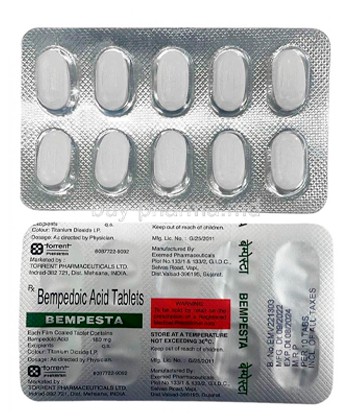
Bempedoic Acid
- You can buy bempedoic acid without a prescription, with delivery available throughout the United Kingdom.
- Bempedoic acid is used for the treatment of primary hypercholesterolemia and mixed dyslipidemia. The drug acts as an ATP citrate lyase (ACL) inhibitor, helping lower LDL cholesterol levels.
- The usual dose of bempedoic acid is 180 mg taken orally once daily.
- The form of administration is a film-coated tablet.
- The onset of action typically begins within several weeks of starting treatment.
- The duration of action is approximately 24 hours.
- It is recommended to avoid alcohol during treatment.
- The most common side effect is increased uric acid levels (hyperuricemia).
- Would you like to try bempedoic acid without a prescription?
Bempedoic Acid
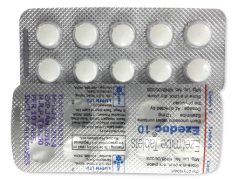
Basic Bempedoic Acid Information
- International Nonproprietary Name (INN): Bempedoic acid
- Brand names available in United Kingdom: Nilemdo, Nexletol, Nustendi
- ATC Code: C10AX21
- Forms & dosages: Tablets (180 mg), combination tablets with ezetimibe (180 mg/10 mg)
- Manufacturers in United Kingdom: Daiichi Sankyo Europe
- Registration status in United Kingdom: Approved
- OTC / Rx classification: Prescription only (Rx)
Everyday Use & Best Practices
Morning Vs Evening Dosing
Timing can have a significant impact on the absorption of bempedoic acid and its potential side effects. Many patients find it effective to take this medication in the morning. This timing aligns with natural metabolic processes and can help establish a routine. If taken in the evening, some users may experience side effects like fatigue. For optimal effectiveness, it is generally recommended to take bempedoic acid at the same time each day, ideally in the morning.Taking With Or Without Meals
One of the noteworthy aspects of bempedoic acid is its flexibility regarding meals. This medication can be taken with or without food, which offers convenience for daily routines. In the UK, where meal timings can vary significantly, this is particularly beneficial. However, it’s essential to consider common dietary habits, as high-fat meals may slightly affect absorption for certain individuals. To integrate bempedoic acid seamlessly into daily life, aim to take it during breakfast or lunch. This helps ensure a consistent routine while allowing for optimal timing before the evening meal.Safety Priorities
Who Should Avoid It
There are specific groups who should exercise caution or avoid bempedoic acid altogether, according to the Medicines and Healthcare products Regulatory Agency (MHRA). Key contraindications include: - Known hypersensitivity to bempedoic acid or any of its excipients. - Pregnancy and breastfeeding, due to limited safety data. - Individuals with severe renal or hepatic impairment should avoid the medication, as it could exacerbate pre-existing conditions. Monitoring is crucial for those who have a history of gout or hyperuricemia, as bempedoic acid can increase uric acid levels.Activities To Limit
Potential side effects of bempedoic acid may impact daily activities, so awareness is vital. Muscle spasms, back pain, or fatigue can arise in some patients, affecting performance in daily tasks. It’s prudent to limit activities such as driving or operating heavy machinery until you understand how bempedoic acid affects you individually. Consultation with a healthcare provider can provide personalised guidance on when it's safe to resume these activities after starting treatment.Dosage & Adjustments
General Regimen
Following NHS guidance, the recommended dosing regimen for bempedoic acid in adults typically involves a standard dose of 180 mg orally once daily. This dosing should be adhered to for optimal cholesterol-lowering effects and to ensure that treatment is effective. To support compliance: - Establish a daily routine. - Use reminders or alarms to ensure no doses are missed. - Discuss with a healthcare provider if you have difficulty adhering to this regimen.Special Cases
When it comes to the elderly or those with comorbidities, dosage adjustments may not always be necessary. For older adults, the standard adult dose applies, and careful monitoring is recommended to assess any potential side effects. Patients with diabetes or those who have previously experienced statin intolerance should also consult with their healthcare provider. In some cases, combination therapies with other drugs like ezetimibe may be considered to enhance effectiveness, while ensuring safety.What’s Inside & How It Works
Understanding the components of bempedoic acid can alleviate concerns for patients and assist in informed decision-making regarding cholesterol management.
Ingredients Overview
Bempedoic acid tablets primarily contain 180 mg of the active ingredient, bempedoic acid. This dosage is crucial for its effectiveness in managing LDL cholesterol levels. Inactive ingredients, or excipients, may include lactose monohydrate, which could be a concern for individuals with lactose intolerance. Other excipients typically serve as binders or coatings but are generally well-tolerated.
It's always wise for patients to check for these inactive ingredients, particularly those with known allergies, to ensure safety and avoid adverse reactions.
Mechanism Basics Explained Simply
Bempedoic acid works as an ATP citrate lyase (ACL) inhibitor. This unique mechanism blocks the conversion of citrate into acetyl-CoA, which is a key building block for cholesterol production in the liver. By inhibiting this pathway, bempedoic acid effectively reduces LDL cholesterol levels.
Unlike statins, which lower cholesterol by blocking HMG-CoA reductase, bempedoic acid does not directly affect this pathway, making it suitable for patients who experience intolerable side effects with statins. This aspect is particularly beneficial for those who struggle to reach their cholesterol goals with traditional therapies.
Main Indications
Healthcare providers often prescribe bempedoic acid to help manage specific cholesterol-related conditions. Knowing when and why to use this medication can enhance treatment outcomes for patients.
Approved Uses (MHRA Listing)
Bempedoic acid has been approved by the MHRA for the treatment of primary hypercholesterolemia and mixed dyslipidaemia in adults. It's typically used as an adjunct to diet and lifestyle changes, especially for individuals who do not achieve their LDL-C targets with statins alone. The tablet may also serve in combination therapy with ezetimibe to attain more significant LDL cholesterol reductions.
Off-Label Uses in UK Clinics
While primarily indicated for hypercholesterolemia, some UK clinicians have explored off-label uses for bempedoic acid, especially in patients with familial hypercholesterolemia or those unable to tolerate multiple cholesterol-lowering agents. It's vital that any consideration for off-label use be accompanied by thorough consultation with healthcare professionals to weigh potential benefits against risks.
Interaction Warnings
Being aware of potential interactions is critical for maximising the effectiveness of bempedoic acid while minimising adverse effects, particularly when combined with other substances or medications.
Food Interactions (Alcohol, Tea/Coffee)
Patients should be cautious about consuming excessive alcohol while taking bempedoic acid, as this could potentially increase the risk of liver side effects. Additionally, while moderate consumption of caffeine from tea or coffee is generally safe, high amounts may impact the metabolism of other drugs and affect bempedoic acid's efficacy.
For optimal use, it’s advisable to keep alcohol intake minimal and maintain a consistent diet.
Drug Conflicts (MHRA Yellow Card Reports)
According to MHRA Yellow Card reports, certain drugs can interact with bempedoic acid, leading to increased side effects or reduced therapeutic effects. Common interactions noted include medications affecting liver enzymes that may alter bempedoic acid's metabolism. It's crucial for patients on multiple medications, particularly those involving anticoagulants or other cholesterol medications, to undergo regular monitoring.
Latest Evidence & Insights
Recent clinical studies (2022–2025) have highlighted the effectiveness of bempedoic acid in reducing LDL cholesterol, particularly in statin-intolerant individuals. One study underscored significant reductions in cardiovascular events when bempedoic acid was integrated into treatment plans. Furthermore, ongoing research continues to unravel its broader applications and longer-term benefits in cholesterol management, providing hope for improved patient outcomes.
Alternative Choices
For many patients, choosing the right cholesterol-lowering medication involves weighing different options. Understanding the alternatives to bempedoic acid is important for informed decisions.
The NHS prescribing landscape offers a variety of alternatives, such as:
- Statins: Effective but can cause muscle pain in some individuals.
- PCSK9 inhibitors: Considered for those with genetic cholesterol issues, these injectable medications can significantly reduce LDL levels.
- Ezetimibe: Often used in combination with other therapies, especially bempedoic acid, for enhanced effect.
When considering alternatives, patients should think about factors like potential side effects, ease of use, and prior experiences with therapies. A collaborative discussion with a healthcare provider can assist in determining the best course for managing cholesterol levels.
Regulation Snapshot
Understanding the approval history of bempedoic acid is crucial for patients seeking treatment options for high cholesterol. Initially, it received approval from the US FDA in February 2020, followed by the EU in April 2020, where it is branded as Nilemdo in most European markets. Over time, the NHS has updated prescribing frameworks, particularly around statin-intolerant patients, integrating bempedoic acid as a viable option. The flexibility of NHS guidelines now allows healthcare providers to prescribe this medication, enhancing treatment accessibility for individuals who struggle with traditional statin therapies.
Patient access routes are vital for understanding how and when to obtain bempedoic acid. Generally available via prescription only, the drug can be accessed at community pharmacies, which are equipped to dispense bempedoic acid tablets. Implications for prescription fulfilment include potential waiting times for patients uponcaregiver consultation, especially if further assessments are needed to determine individual treatment compatibility. Awareness of these routes ensures that patients are well-informed and prepared to manage their cholesterol-lowering journey effectively.
FAQ Section
What are the common side effects of bempedoic acid?
Typical side effects include muscle spasms, increased uric acid levels, and mild gastrointestinal symptoms such as abdominal pain. These effects tend to be manageable, but it is essential to monitor for any significant discomfort.
How does bempedoic acid work?
This medication inhibits ATP citrate lyase, differentiating it from statins, by blocking a key enzyme involved in cholesterol synthesis. This mechanism proves effective for those who cannot tolerate statins.
Is bempedoic acid safe during pregnancy or breastfeeding?
Use of bempedoic acid is contraindicated during pregnancy and breastfeeding due to the lack of safety data. Patients should consult their healthcare providers for alternative therapies during these life stages.
For further reading on bempedoic acid and its usage, visit authoritative sources like the NHS website or the British National Formulary (BNF), which provide comprehensive guidance on cholesterol-lowering treatments.
Guidelines for Proper Use
UK Pharmacist Counselling Style
During consultations regarding bempedoic acid, patients can expect pharmacists to guide them on proper usage and dosage. They will address concerns about potential side effects while ensuring that patients feel comfortable with their treatment plan. Pharmacists in the UK are trusted resources, offering personalised advice and ongoing support to help users navigate their cholesterol management effectively.
NHS Patient Support Advice
The NHS provides multiple avenues for support related to bempedoic acid. Patients are encouraged to communicate openly with their healthcare providers to discuss treatment progress and any arising concerns. Leveraging NHS resources can enhance the patient experience and facilitate access to vital information and additional services, encouraging a proactive approach to health management.
| City | Region | Delivery Time |
|---|---|---|
| London | Greater London | 5–7 days |
| Birmingham | West Midlands | 5–7 days |
| Manchester | Greater Manchester | 5–7 days |
| Glasgow | Scotland | 5–7 days |
| Leeds | West Yorkshire | 5–7 days |
| Liverpool | Merseyside | 5–7 days |
| Bristol | South West England | 5–7 days |
| Sheffield | South Yorkshire | 5–7 days |
| Newcastle | Tyne and Wear | 5–7 days |
| Nottingham | East Midlands | 5–7 days |
| Cardiff | Wales | 5–7 days |
| Coventry | West Midlands | 5–9 days |
| Leicester | East Midlands | 5–9 days |
| Stoke-on-Trent | Staffordshire | 5–9 days |
| Plymouth | South West England | 5–9 days |
| Derby | East Midlands | 5–9 days |