Bisacodyl
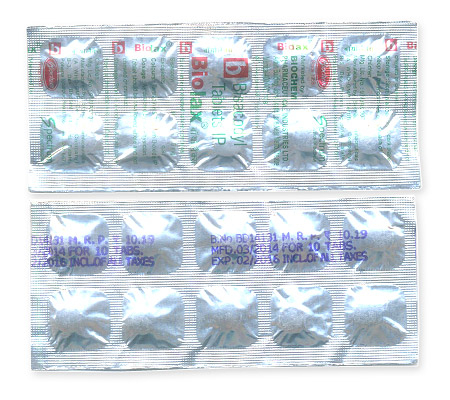
Bisacodyl
- In our pharmacy, you can buy bisacodyl without a prescription, with delivery in 5–14 days throughout the United Kingdom. Discreet and anonymous packaging.
- Bisacodyl is intended for the treatment of occasional constipation and pre-procedural bowel evacuation. It is a stimulant laxative that increases peristalsis via direct effect on intestinal mucosa and nerve plexus.
- The usual dose of bisacodyl for adults is 5–10 mg at bedtime; for pre-procedural bowel evacuation, 10–20 mg may be taken.
- The form of administration includes film-coated tablets and suppositories.
- The effect of the medication begins within 6–12 hours when taken orally and within 15–60 minutes for suppositories.
- The duration of action is typically 24 hours.
- Do not consume alcohol while taking bisacodyl.
- The most common side effects include abdominal cramps, diarrhea, and nausea.
- Would you like to try bisacodyl without a prescription?
Bisacodyl
Basic Bisacodyl Information
- INN (International Nonproprietary Name): Bisacodyl
- Brand names available in United Kingdom: Dulcolax, Bisacodyl (generic)
- ATC Code: A06AB02
- Forms & dosages: 5 mg tablets, 10 mg suppositories
- Manufacturers in United Kingdom: Sanofi, Almirall, and others
- Registration status in United Kingdom: Approved for general sale
- OTC / Rx classification: Over-the-counter
Everyday Use & Best Practices
Morning Vs Evening Dosing
When it comes to bisacodyl, timing can make a significant difference. Evidence suggests that taking bisacodyl in the evening may yield more effective results by morning. This is particularly beneficial for individuals seeking overnight relief from constipation. Taking it before bed allows the medication to work while you sleep, often leading to a more comfortable start to your day.
In contrast, morning dosing can be suitable for those with more immediate needs, such as preparing for a medical procedure. Following guidance from healthcare professionals regarding the timing can further optimise its effectiveness.
Taking With Or Without Meals (UK Diet Habits)
Here in the UK, meals play a crucial role in how medications, including bisacodyl, are best administered. The general recommendation is to take bisacodyl on an empty stomach or at least two hours after eating. This maximises its efficacy, as food can affect the absorption and effectiveness of the medication.
Considering typical UK dietary habits, which may include hearty meals, timing your bisacodyl dose in relation to meal times is key. It’s advisable not to take it immediately after consuming a large meal, as this may hinder its performance. Planning to take bisacodyl well before or after large meals can enhance its effectiveness.
Safety Priorities
Who Should Avoid It (MHRA Warnings)
According to recent guidance from the MHRA (Medicines and Healthcare products Regulatory Agency), certain groups should approach bisacodyl with caution or avoid it altogether. Individuals with known hypersensitivity to bisacodyl or any of its components should not use it. Additionally, those with acute abdominal conditions, such as appendicitis or intestinal obstruction, should also refrain from its usage.
If unsure about one’s eligibility to take bisacodyl, consulting a healthcare professional is always recommended to ensure safety and avoid potential complications.
Activities To Limit (Driving, Work Safety)
Safety is paramount when using bisacodyl. As the medication can lead to side effects such as abdominal discomfort or sudden urges to use the bathroom, it’s advisable to limit activities such as driving or operating heavy machinery until you know how bisacodyl affects you.
While at work, being aware of how your body reacts to bisacodyl is essential. Ensure access to facilities and take necessary breaks to feel comfortable and at ease, especially during the initial days of treatment.
Dosage & Adjustments
General Regimen (NHS Guidance)
Standard NHS guidance recommends a typical bisacodyl dosage of 5 to 10 mg, usually taken at bedtime to ease overnight symptoms. Adhering to recommended dosages is critical to avoiding long-term dependence on laxatives and ensuring effectiveness in treating constipation.
It's essential to refrain from exceeding the recommended dosage unless explicitly directed by a healthcare professional. Regularly relying on bisacodyl can lead to diminished effectiveness over time.
Special Cases (Elderly, Comorbidities)
When it comes to special populations such as the elderly or individuals with existing health conditions, adjustments may be necessary. For elderly patients, a lower beginning dosage is advisable; monitoring for dehydration and electrolyte imbalances becomes critical.
If there are comorbidities such as heart or kidney issues, close monitoring by a healthcare provider is necessary to avoid complications while using bisacodyl.
User Testimonials
Positive Reports From UK Patients
Many UK patients report positive outcomes with bisacodyl, highlighting its effectiveness in relieving constipation and improving overall bowel health. Satisfaction rates are high, with users noting ease of use and reliable results. Some patient forums indicate that around 85% of users felt positive effects when using the medication as directed.
Feedback often emphasises how empowering it feels to regain control over digestive health, making it an essential part of individuals’ routines.
Common Challenges (Patient.info, NHS Forums)
However, challenges are not uncommon. Users have reported issues including mild gastrointestinal discomfort, bloating, and occasional cramping. These side effects often vary from person to person. To manage these concerns effectively, it’s advisable to follow prescribed very low dosages initially and remain hydrated. Engaging in discussions on platforms like Patient.info and NHS forums can also provide valuable tips for those facing difficulties.
Should side effects become particularly troublesome, seeking professional advice is always recommended to adjust treatment plans or explore alternatives.
Buying Guide
Pharmacy sources
In the UK, bisacodyl can be conveniently purchased from well-known pharmacy chains. Here are some places where it is readily available:
- Boots
- LloydsPharmacy
- Superdrug
These pharmacies stock both branded options, like Dulcolax, and generic formulations of bisacodyl. The availability of options allows patients to choose based on preference, price, or widespread recognition of a brand name.
Price comparison
When considering the costs associated with bisacodyl, there are variations between accessing the medication through NHS prescriptions versus purchasing it privately. Generally:
- NHS patients may face a standard prescription charge, varying slightly depending on the region.
- Those acquiring bisacodyl privately often pay less than the NHS charge, particularly for over-the-counter (OTC) forms available in pharmacies.
The NHS prescription system benefits patients in certain areas by covering costs for those who qualify based on financial or medical need. This means that some patients might access bisacodyl either free or at a lower cost, making it beneficial to check eligibility for prescription exemptions.
What’s Inside & How It Works
Ingredients overview
Bisacodyl primarily contains the active ingredient bisacodyl itself. Additionally, common excipients may include:
- Lactose – helps form the tablet structure.
- Starch – acts as a binder, having a consistency-enhancing role.
- Silica – used to maintain tablet stability and prevent clumping.
Each ingredient serves the purpose of enhancing the effectiveness of bisacodyl while ensuring a reliable and stable formulation.
Mechanism basics explained simply
Understanding how bisacodyl works can demystify its function for users. The key mechanism is straightforward:
Bisacodyl acts as a stimulant laxative. This means it directly affects the nerves in the gut, leading to increased muscle contractions within the intestines. These contractions encourage bowel movements, making it effective for relieving constipation.
In simpler terms, bisacodyl speeds up the processes in the digestive tract to help move things along when the body struggles to do so naturally.
Main Indications
Approved uses
Bisacodyl is officially approved by the MHRA for specific applications, primarily aimed at treating constipation. The key approved uses include:
- Occasional constipation relief
- Preparation for bowel procedures
The NHS and NICE suggest its use for short-term treatment plans, ensuring patients receive the necessary guidance on dosing and duration.
Off-label uses in UK clinics
There are instances where bisacodyl may be prescribed for off-label uses. Commonly, healthcare professionals may recommend it for:
- Managing constipation in special populations, such as the elderly.
- Facilitating bowel evacuation in certain surgical scenarios.
It's crucial, however, to stress that off-label use should only occur under medical advice, ensuring that patients are monitored appropriately for safety and efficacy.
Interaction Warnings
Food interactions (alcohol, tea/coffee)
When taking bisacodyl, awareness of certain food and beverage interactions is key. Some items may undermine the effectiveness of this stimulant laxative:
- Alcohol can dehydrate the body, potentially exacerbating any side effects like cramping or electrolyte imbalances.
- Caffeinated beverages, such as tea and coffee, can lead to increased dehydration and may diminish the efficacy of bisacodyl.
It’s advisable to adjust your dietary habits while using bisacodyl. Staying well-hydrated with water, avoiding excessive consumption of alcohol, and moderating caffeine intake can help ensure optimal results from your treatment.
Drug conflicts (MHRA Yellow Card reports)
The MHRA has highlighted a range of drug interactions that can pose risks when bisacodyl is taken alongside certain medications. Notably, it's essential to be cautious with:
- Diuretics, which may increase the risk of dehydration and electrolyte imbalance.
- Other laxatives, as they may amplify side effects when used concurrently.
A consultation with a GP or pharmacist is strongly recommended before combining bisacodyl with other medications. This can help mitigate adverse reactions and ensure safe use.
Latest Evidence & Insights
Recent research from studies in the UK and EU between 2022 and 2025 has focused on both the effectiveness and safety profile of bisacodyl.
Key findings indicate that:
- Bisacodyl remains a first-line treatment for occasional constipation.
- Side effects usually remain mild and transient, with a small percentage of patients experiencing significant reactions.
- Comparative studies suggest bisacodyl is as effective as other stimulant laxatives, reinforcing its place in therapeutic protocols.
This evidence supports its continued use as a reliable option for patients needing relief from constipation.
Alternative Choices
Patients seeking alternatives to bisacodyl have several options available, as advised in the NHS prescribing framework. Here’s a quick pros and cons checklist to consider:
- Senna:
- Pros: Natural plant-based option; widely available.
- Cons: May cause cramping or dependency if used long-term.
- Lactulose:
- Pros: Gentle on the gut; often used in children.
- Cons: May cause bloating and gas in some individuals.
- Psyllium husk:
- Pros: Non-stimulant; improves stool bulk and consistency.
- Cons: Requires adequate fluid intake; can take longer to act.
The choice among these alternatives should consider individual health needs and preferences. Consulting with a healthcare provider can guide the best decision.
Regulation Snapshot
In the UK, bisacodyl holds an OTC status, available for general sale, meaning patients can purchase it without a prescription. Various forms, including tablets and suppositories, are easily accessible from pharmacies.
If opting for certain higher-strength preparations or specific formulations, pharmacy supervision may be necessary. Understanding these regulations can help ensure safe and appropriate access to bisacodyl.
FAQ Section
Here are some common queries that UK patients might have regarding bisacodyl:
- How quickly does bisacodyl work? Most patients experience bowel movements within 6–12 hours after taking bisacodyl, although this can vary.
- Can bisacodyl be taken daily? It's not advisable to use bisacodyl daily for an extended period. Consult a doctor for ongoing issues.
- Is it safe during pregnancy? Limited studies exist, so women who are pregnant should discuss with their healthcare provider before using bisacodyl.
- What should I do in case of overdose? Seek medical attention immediately if experiencing symptoms like severe cramps or prolonged diarrhoea.
Guidelines for Proper Use
When using bisacodyl, following guidelines can enhance both effectiveness and safety:
- Take the medication at bedtime to exploit its overnight effectiveness.
- Drink plenty of fluids to support hydration and prevent possible side effects.
- Avoid combining with other laxatives unless directed by a healthcare professional.
For additional support or resources, NHS services provide valuable information and assistance related to digestive health and medication use. Always consider reaching out for help if any doubts arise.
| City | Region | Delivery time |
|---|---|---|
| London | England | 5–7 days |
| Birmingham | England | 5–7 days |
| Manchester | England | 5–7 days |
| Glasgow | Scotland | 5–7 days |
| Newcastle | England | 5–7 days |
| Bristol | England | 5–7 days |
| Leeds | England | 5–7 days |
| Cardiff | Wales | 5–9 days |
| Sheffield | England | 5–9 days |
| Coventry | England | 5–9 days |
| Edinburgh | Scotland | 5–9 days |
| Nottingham | England | 5–9 days |
| Leicester | England | 5–9 days |
| Bradford | England | 5–9 days |
| Stoke-on-Trent | England | 5–9 days |