Dapsone
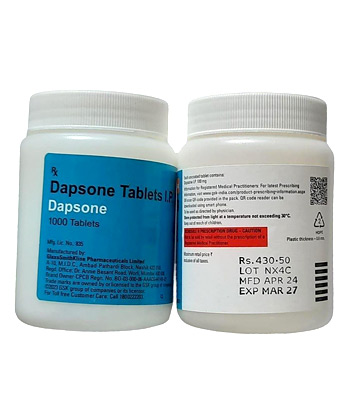
Dapsone
- In our pharmacy, you can buy dapsone without a prescription, with delivery in 5–14 days throughout the United Kingdom. Discreet and anonymous packaging.
- Dapsone is intended for the treatment of leprosy, dermatitis herpetiformis, and acne vulgaris. The drug works as an antimycobacterial and also has anti-inflammatory properties.
- The usual dose of dapsone for leprosy is 100 mg once daily, while for dermatitis herpetiformis, it’s 50–100 mg daily, and for acne, a thin layer of the topical gel is applied once or twice daily.
- The form of administration is oral tablets or topical gel/cream.
- The effect of the medication begins within 1–2 hours for oral administration and within hours for topical applications.
- The duration of action for oral dapsone is approximately 24 hours.
- Do not consume alcohol while taking dapsone, as it may increase the risk of adverse effects.
- The most common side effect is nausea.
- Would you like to try dapsone without a prescription?
Dapsone
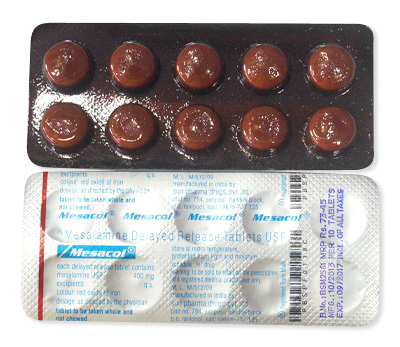
Basic Dapsone Information
- **International Nonproprietary Name:** Dapsone (also known as 4,4'-sulfonyldianiline, diaminodiphenyl sulfone, DDS)
- **Brand names available in United Kingdom:** Aczone, generics
- **ATC Code:**
- J04BA02 (Antimycobacterials, Drugs for treatment of lepra)
- D10AX05 (Dermatologicals)
- **Forms & Dosages:**
- Oral tablets: 25mg, 50mg, 100mg
- Topical gel: 5%, 7.5%
- **Manufacturers in United Kingdom:** Multiple generic manufacturers and branded options
- **Registration status in United Kingdom:** Prescription only
- **OTC / Rx classification:** Prescription only
Everyday Use & Best Practices
Morning Vs Evening Dosing
Dapsone can be prescribed for use either in the morning or in the evening, and it's crucial to discuss your specific regimen with a GP or pharmacist. Personal routines and potential side effects, such as drowsiness, should be taken into account.
For certain conditions like acne and dermatitis herpetiformis, feedback regarding effectiveness can vary among patients. It is therefore advisable to monitor your response to the time of day you choose for dosing.
Taking With Or Without Meals (UK Diet Habits)
Dapsone can be taken with or without food; however, consuming it with a meal may help reduce gastrointestinal discomfort, which some patients might experience.
Considering typical dietary habits in the UK, aiming for balanced meals can optimise absorption and mitigate potential side effects like nausea. Foods rich in nutrients may enhance your overall treatment experience while being mindful of how your body reacts.
Safety Priorities
Who Should Avoid It (MHRA Warnings)
There are specific individuals who should avoid taking dapsone. This includes anyone with a known hypersensitivity to the drug or its class and those with severe G6PD deficiency, due to the heightened risk of hemolysis.
Additionally, patients with pre-existing anemia or liver and kidney conditions should be monitored closely, as these health issues can significantly affect the metabolism and excretion of the medication.
Activities To Limit (Driving, Work Safety)
Taking dapsone may result in side effects such as dizziness, which could impair daily activities. Consequently, avoiding driving until you fully understand how dapsone affects you is wise.
If your job requires high concentration or involves operating machinery, it’s essential to consult with both your employer and healthcare provider to discuss any necessary adjustments or precautions. Keeping communication open ensures that your safety and job performance remain intact.
Dosage & Adjustments
General Regimen (NHS Guidance)
The typical adult dose for leprosy is 100mg once daily. For conditions like dermatitis herpetiformis, dosages can range from 50-100mg daily. Adjustments should always be made based on specific medical advice, ensuring adherence to NHS guidelines.
It's important to follow the provided dosing instructions and make any necessary changes under the guidance of health professionals based on your condition and overall health changes.
Special Cases (Elderly, Comorbidities)
While there isn't a universal dosage adjustment for the elderly, increased monitoring is crucial to identify potential toxicity risks that may arise from use. Failing to do so can lead to complications that could impact health.
In cases where patients have renal or hepatic impairments, dose adjustments become essential. Regular monitoring of blood levels may also be recommended to ensure a safe treatment course while avoiding adverse effects.
User Testimonials
Positive Reports from UK Patients
Concerns regarding skin conditions can lead to significant distress, particularly for sufferers of acne and dermatitis herpetiformis. Dapsone has emerged as a beacon of hope for many in the UK, with numerous patients sharing their experiences online.
Positive reports frequently populate platforms like Patient.info, where users express relief at the effectiveness of dapsone treatment.
Many testimonials note impressive skin improvement, often visible within just 12 weeks of starting the treatment regimen. Users highlight that dapsone helped control their conditions significantly, allowing them to regain confidence and engage more freely in their daily lives.
Patients also appreciate the clear communication from healthcare professionals about what to expect during treatment, contributing to their overall satisfaction with dapsone as a treatment option.
Common Challenges
Yet, it isn’t all smooth sailing for those starting dapsone. Common discussions on forums such as the NHS forums reveal that some users face challenges linked to side effects.
- Nausea, which can disrupt daily activities.
- Skin irritation that might lead individuals to reconsider their treatment plan.
Users often seek advice on how to mitigate these effects. Recommendations range from making dietary adjustments to altering the timing of the medication to improve tolerability. Sharing personal strategies can create a sense of community support, helping others navigate the treatment process more effectively.
Buying Guide
Pharmacy Sources
For those interested in obtaining dapsone, several reputable pharmacies, including Boots, LloydsPharmacy, and Superdrug, stock this medication, but it is available through prescription only in the UK.
Online pharmacies offer another purchasing avenue; however, it is crucial to ensure they meet UK regulatory requirements for safety and legitimacy. Patients should confirm that any online pharmacy is duly registered before making a purchase.
Price Comparison
Cost is a common concern for many when considering dapsone. As it falls under the NHS prescribing framework, patients residing in Scotland, Wales, and Northern Ireland can often access dapsone without incurring any charges. On the other hand, those in England may find themselves facing prescription costs.
When comparing prices, private prescriptions can be considerably more expensive. Thus, it is encouraged for eligible patients to utilise the NHS system to access dapsone affordably.
What's Inside & How It Works
Ingredients Overview
Dapsone, scientifically known as 4,4'-sulfonyldianiline, belongs to the sulfone group of drugs. This medication can be found in various formulations, including oral tablets and topical gels. It is primarily recognised for its antimicrobial and anti-inflammatory properties, making it effective in treating skin conditions and infections like leprosy.
Mechanism Basics Explained Simply
The effectiveness of dapsone relates to its ability to inhibit bacterial folate synthesis. By doing so, it halts the growth of certain bacteria often implicated in skin infections.
When treating conditions such as acne and dermatitis herpetiformis, dapsone works to reduce inflammation, targeting the underlying inflammatory pathways that characterise these skin issues.
Overall, dapsone is integral to bringing about skin health, offering a viable treatment path for those struggling with various dermatological concerns.
Main Indications
Dapsone, also known as 4,4'-sulfonyldianiline, has garnered attention for its efficacy in treating specific medical conditions. Most notably, it is approved for:
- Leprosy
- Dermatitis herpetiformis
- Acne
The Medicines and Healthcare products Regulatory Agency (MHRA) further endorses the use of dapsone as prophylaxis against Pneumocystis pneumonia (PCP) for patients with weakened immune systems. This highlights its significant role in comprehensive treatment plans, especially for individuals living with HIV.
Off-Label Uses in UK Clinics
Healthcare professionals sometimes prescribe dapsone for conditions beyond its approved uses. One example includes its application in treating hidradenitis suppurativa. Such off-label use relies heavily on clinical judgement based on individual patient needs and responses. Regular monitoring and thorough documentation of outcomes are essential for ensuring the ongoing effectiveness of treatment in these non-standard indications.
Interaction Warnings
Food Interactions (Alcohol, Tea/Coffee)
Patients should be aware that consuming alcohol during dapsone treatment may worsen side effects, including gastrointestinal discomfort and headaches. Limiting or avoiding alcohol is advisable to enhance treatment outcomes. Conversely, there are no notable interactions reported with tea or coffee, though it's prudent to monitor caffeine intake if sensitivity exists.
Drug Conflicts (MHRA Yellow Card Reports)
Dapsone interacts with various medications. Regular consultation of the MHRA Yellow Card Scheme can keep healthcare providers updated regarding potential drug interactions, especially concerning other antimicrobials or medications that could impact blood counts. Awareness of these interactions is vital for maintaining patient safety.
Latest Evidence & Insights
Recent studies conducted between 2022 and 2025 across the UK and EU have underscored dapsone’s continuing effectiveness in combating leprosy. Additionally, they spotlight its promising applications in dermatological treatments, specifically for dealing with complex conditions like hidradenitis suppurativa. Ongoing assessment trials aim to validate its effectiveness in dermatology further.
Alternative Choices
Patients seeking alternatives to dapsone may find options within NHS prescriptions. Consider sulfonamides or tetracyclines as potential substitutes for treating acne and skin conditions. To aid in discussions with healthcare professionals, a pros/cons checklist can be beneficial, covering aspects such as efficacy, side effects, and overall cost implications.
Regulation Snapshot
Dapsone is classified as a prescription-only medication in the UK and is included in the MHRA approved drugs list. Ongoing regulatory measures ensure consistent monitoring of its safety and efficacy, particularly with respect to emerging health concerns and pathogens.
FAQ Section
Common questions that arise among patients regarding dapsone include:
- What should I do if I miss a dose?
Take it as soon as remembered unless the next dose is imminent. - How long until I see results?
Typically, patients can anticipate effects within 12 weeks for acne or associated skin conditions. - Can I take dapsone if pregnant?
Consultation with a healthcare specialist is crucial; whilst benefits may outweigh risks, caution is warranted.
Guidelines for Proper Use
Effective use of dapsone is contingent upon ongoing discussions with pharmacists and healthcare providers. This ensures tailored advice in line with prevalent UK health standards. The NHS also provides resources to help patients seamlessly incorporate dapsone into their daily routines, emphasising adherence protocols and regular response assessments.
Delivery Information
| City | Region | Delivery Time |
|---|---|---|
| London | Greater London | 5–7 days |
| Birmingham | West Midlands | 5–7 days |
| Manchester | Greater Manchester | 5–7 days |
| Leeds | West Yorkshire | 5–7 days |
| Glasgow | Scotland | 5–7 days |
| Bristol | South West England | 5–7 days |
| Liverpool | Merseyside | 5–7 days |
| Shelffield | South Yorkshire | 5–7 days |
| Newcastle | Tyne and Wear | 5–9 days |
| Brighton | East Sussex | 5–9 days |
| Cardiff | Wales | 5–9 days |
| Nottingham | East Midlands | 5–9 days |