Eplerenone
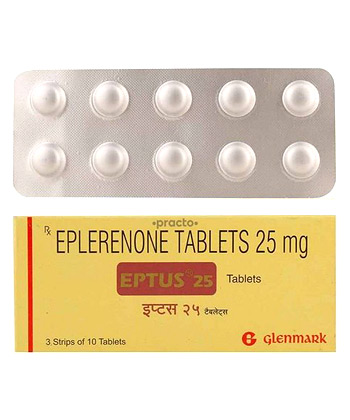
Eplerenone
- In our pharmacy, you can buy eplerenone without a prescription, with delivery in 5–14 days throughout the United Kingdom. Discreet and anonymous packaging.
- Eplerenone is used for the treatment of hypertension and heart failure. It acts as an aldosterone receptor antagonist.
- The usual dose of eplerenone is 25–50 mg.
- The form of administration is a film-coated tablet.
- The effect of the medication begins within 1–2 hours.
- The duration of action is approximately 24 hours.
- Do not consume alcohol.
- The most common side effect is hyperkalemia.
- Would you like to try eplerenone without a prescription?
Eplerenone


Basic Eplerenone Information
• INN (International Nonproprietary Name)
Eplerenone
• Brand Names Available in United Kingdom
Inspra
• ATC Code
C03DA04
• Forms & Dosages
25 mg and 50 mg film-coated tablets
• Manufacturers in United Kingdom
Pfizer, Accord Healthcare, and others
• Registration Status in United Kingdom
MHRA approved as a prescription-only medication
• OTC / Rx Classification
Prescription-only (Rx)
Everyday Use & Best Practices
When starting eplerenone, questions often arise about how to best incorporate this treatment into daily routines.
Morning vs Evening Dosing
Eplerenone is generally taken once a day, either in the morning or the evening. The timing of the dose can influence both its effectiveness and any potential side effects experienced. Many patients opt for morning doses to fit seamlessly into their daily routines. However, some individuals find that shifting their dose to the evening helps mitigate dizziness, especially when they first start taking the medication. It's crucial to adhere to your doctor's guidance on when to take eplerenone to maximise benefits and minimise discomfort.
Taking with or Without Meals
One of the advantages of eplerenone is its flexibility regarding consumption with food. It can be taken with or without meals, but maintaining a consistent routine is essential. For those following a diet rich in potassium-containing foods such as bananas and citrus fruits, it is wise to consult healthcare providers. Such dietary habits may interact with the medication, necessitating careful monitoring to ensure effective treatment without complications.
Safety Priorities
Understanding safety is paramount for anyone prescribed eplerenone.
Who Should Avoid It
Certain individuals must steer clear of eplerenone based on medical history and current health conditions. Notably, those with high potassium levels (exceeding 5.0 mmol/L), along with individuals suffering from severe renal or hepatic impairment, should not take this medication. Always ensure your doctor is fully informed of your medical history to avoid unnecessary health risks.
Activities to Limit
Another important consideration is the impact of eplerenone on everyday activities. Users may experience dizziness or light-headedness, particularly when initiating the treatment. As a precaution, it is advisable to refrain from high-risk activities, such as driving or operating heavy machinery, until you gauge how eplerenone affects you. Safety should always come first, so be mindful of these recommendations until you're accustomed to the medication.
Dosage & Adjustments
Getting the dosage right is essential for the effective management of conditions treated with eplerenone.
General Regimen
The typical starting dose for patients with heart failure is 25 mg taken once daily. Depending on individual tolerance and renal function, this dose may be adjusted upwards every four weeks as needed. For managing hypertension, the usual starting dosage is 50 mg once daily. It's vital to follow NHS guidance on dosage adjustments to ensure optimal treatment outcomes.
Special Cases
Caution is advised when prescribing eplerenone, especially for elderly patients and those with existing health issues. Older adults may require a lower initial dose due to slowed drug metabolism. Additionally, eplerenone should be administered cautiously to patients with comorbidities, such as diabetes or renal impairment, necessitating regular monitoring to safeguard health.
User Testimonials
Positive reports from UK patients
In the UK, many patients have shared encouraging experiences with eplerenone, particularly in managing their heart failure and hypertension. These individuals often highlight how the once-daily dosage of eplerenone fits seamlessly into their routines. Key benefits reported include:
- Significant reduction in blood pressure levels.
- Improved symptoms of heart failure, such as decreased shortness of breath.
- Noticeable reduction in swelling, leading to enhanced mobility and comfort.
- Enhanced energy levels, helping patients engage more in daily activities.
Overall, eplerenone has been pivotal in transforming many lives, providing not just relief from symptoms but also hope and a sense of normalcy.
Common challenges
While positive feedback is abundant, some challenges have also surfaced. Active participants in forums like Patient.info and NHS discussion groups often discuss their experiences with side effects associated with eplerenone. Common concerns include:
- Dizziness, particularly when starting the treatment or adjusting dosages.
- Gastrointestinal issues such as upset stomach, which can be distressing.
- Hyperkalemia, a condition characterised by high potassium levels, prompting patients to monitor their potassium levels regularly.
Many patients emphasise the importance of communicating these issues with healthcare providers to ensure regular check-ups and peace of mind.
Buying Guide
Pharmacy sources
Eplerenone is available through prescriptions at major UK pharmacies, such as Boots, LloydsPharmacy, and Superdrug. These pharmacies not only stock this vital medication but offer the knowledgeable staff needed for patient support. Additionally, online pharmacies may have eplerenone, but it’s critical to ensure they are properly regulated to guarantee safe transactions.
Price comparison
In England, patients are typically required to pay NHS prescription charges for eplerenone, amounting to approximately £9.35 per prescription. However, this cost can vary in other regions like Scotland, Wales, and Northern Ireland, where prescriptions are often free or subject to different pricing structures. It's advisable for patients to check their eligibility for exemptions, which can ease financial burdens as they manage their treatment.
What’s Inside & How It Works
Ingredients overview
Eplerenone, known under the brand name Inspra, primarily contains the active ingredient eplerenone. The medication comes in a convenient film-coated tablet form with dosages of 25 mg and 50 mg, tailored to meet diverse patient needs.
Mechanism basics explained simply
How does eplerenone work? This medication functions as an aldosterone receptor antagonist. By blocking the action of aldosterone, a hormone that promotes salt and fluid retention, eplerenone helps reduce blood pressure and alleviate fluid build-up. This process contributes to improved heart function, relieving pressures on the cardiovascular system and enhancing overall patient health.
Main Indications
The main indications for eplerenone encompass treating heart failure, particularly in patients who have experienced a post-myocardial infarction (MI) with a reduced left ventricular ejection fraction (LVEF). This application holds paramount importance in clinical settings.
Additionally, eplerenone is indicated for managing essential hypertension, effectively aiding individuals in controlling their blood pressure levels. These uses have gained formal approval from the MHRA, ensuring their credibility in the medical community.
Off-label uses in UK clinics
While eplerenone is primarily prescribed for heart failure and hypertension, some healthcare providers may consider its off-label use for conditions such as diabetic nephropathy or proteinuria. These alternatives are not as commonly practiced and necessitate thorough discussions with healthcare professionals who are well-versed in the patient's unique medical history.
Interaction Warnings
When using eplerenone, patients should be cautious about food interactions, particularly with alcohol. Limiting alcohol intake is advisable, as it can heighten side effects like dizziness. On the other hand, caffeine appears to have little impact on eplerenone’s efficacy, though moderation is always wise.
Drug conflicts
Eplerenone may lead to significant interactions with other medications, especially those influencing potassium levels, such as ACE inhibitors or potassium supplements. This raises the necessity for diligent monitoring, as elevated potassium can lead to severe complications. Healthcare providers and patients alike are encouraged to report any adverse reactions they experience through the MHRA Yellow Card scheme.
Latest Evidence & Insights
Recent clinical investigations in the UK and across the EU from 2022 to 2025 have delved deeper into the efficacy of eplerenone in managing hypertension and heart failure. The results indicated that in specific patient populations, eplerenone may offer distinct advantages over traditional therapies, making it a vital area of ongoing research. Continued studies are expected to elucidate its long-term effects on diverse demographics.
Alternative Choices
Several alternatives to eplerenone also exist within clinical practice, including spironolactone and finerenone. Here’s a brief overview of their pros and cons:
- Spironolactone: Known for its anti-androgen effects but may lead to gynecomastia.
- Finerenone: A newer, non-steroidal option primarily utilized for chronic kidney disease in diabetes.
It's crucial for patients to discuss these options with their healthcare provider to determine the most suitable medication based on their individual needs and health status.
| City | Region | Delivery time |
|---|---|---|
| London | Greater London | 5–7 days |
| Birmingham | West Midlands | 5–7 days |
| Manchester | Greater Manchester | 5–7 days |
| Glasgow | Scotland | 5–7 days |
| Leeds | West Yorkshire | 5–7 days |
| Liverpool | Merseyside | 5–7 days |
| Bristol | South West | 5–7 days |
| Sheffield | South Yorkshire | 5–7 days |
| Newcastle | Tyne and Wear | 5–7 days |
| Southampton | Hampshire | 5–9 days |
| Nottingham | East Midlands | 5–9 days |
| Cardiff | Wales | 5–9 days |
| Coventry | West Midlands | 5–9 days |