Esomeprazole
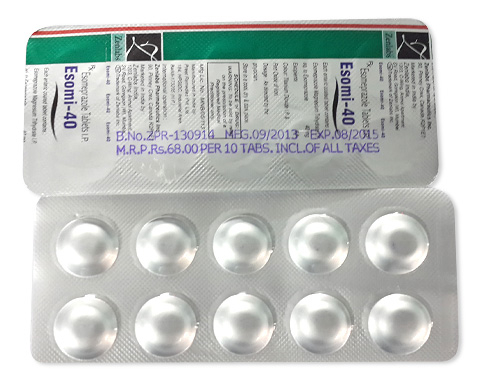
Esomeprazole
- In our pharmacy, you can buy esomeprazole without a prescription, with delivery in 5–14 days throughout the United Kingdom. Discreet and anonymous packaging.
- Esomeprazole is intended for the treatment of gastroesophageal reflux disease (GERD) and erosive esophagitis. It is a proton pump inhibitor that works by reducing the amount of acid produced in the stomach.
- The usual dose of esomeprazole is 20 mg to 40 mg, depending on the condition being treated.
- The form of administration is a delayed-release tablet or capsule, granules for oral suspension, or IV powder for injection.
- The effect of the medication begins within 1 to 2 hours.
- The duration of action is approximately 24 hours.
- Do not consume alcohol.
- The most common side effect is headache.
- Would you like to try esomeprazole without a prescription?
Esomeprazole
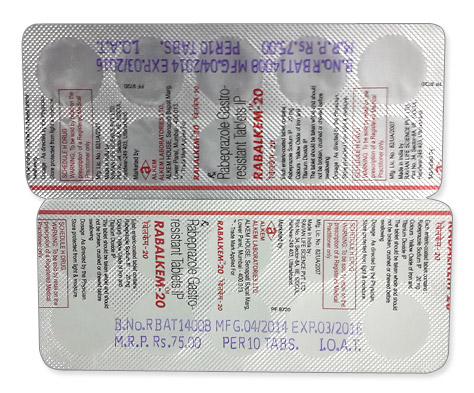
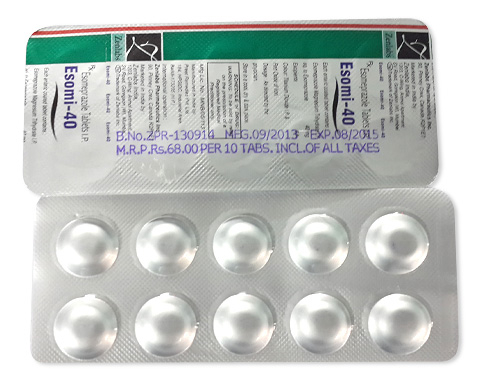
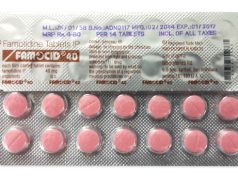
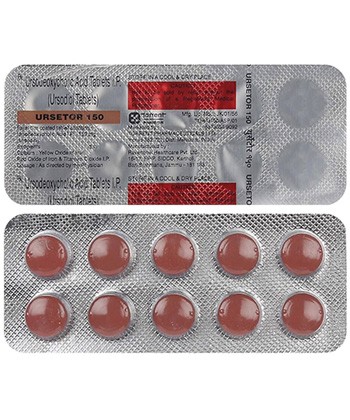
Basic Esomeprazole Information
- International Nonproprietary Name (INN): Esomeprazole
- ATC Code: A02BC05
- Forms & Dosages: Delayed-release tablets (20mg, 40mg), granules for oral suspension (10mg), injectable (40mg)
- Brand Names Available in United Kingdom: Nexium, Emanera
- Manufacturers in United Kingdom: AstraZeneca, Teva
- Registration Status: Approved for OTC/Rx use depending on dosage
- OTC / Rx Classification: Prescription and over-the-counter availability (20mg)
Everyday Use & Best Practices
For those managing conditions like gastroesophageal reflux disease (GERD) or ulcers, understanding the best times to take esomeprazole can significantly enhance its efficacy. Personalisation is key; for many patients, the best time to take esomeprazole aligns with their daily routine or symptom patterns.
Morning vs Evening Dosing
Determining whether to take esomeprazole in the morning or evening can often depend on individual symptoms and lifestyle considerations. For those who experience heartburn or acid reflux primarily after meals, an evening dose might provide optimal relief. Conversely, patients with morning symptoms may benefit from a morning dose. Consulting with a healthcare professional can help tailor this decision based on personal needs and behaviours.
Taking With Or Without Meals (UK Diet Habits)
Esomeprazole is generally more effective taken on an empty stomach, as food can impact its absorption. However, for individuals with varying schedules, incorporating esomeprazole into regular meal times can be beneficial. For example, one might consider taking it about an hour before breakfast or at least 30 minutes before dinner to maximise its effectiveness while following typical UK eating patterns.
Safety Priorities
While esomeprazole is effective for many, it is not suitable for everyone. Safety considerations are paramount, and patients should be aware of who needs to avoid this medication.
Who Should Avoid It (MHRA Warnings)
Certain groups should exercise caution or avoid esomeprazole altogether. These include patients with known hypersensitivity to esomeprazole or other proton pump inhibitors. Additionally, those with severe liver impairment should consult their healthcare provider as dosage adjustments may be necessary.
Activities To Limit (Driving, Work Safety)
As with any medication, side effects can occur. Some people may experience dizziness, drowsiness, or stomach discomfort when taking esomeprazole. It is advisable to be cautious when driving or operating heavy machinery until knowing how the medication affects you. Managing these risks ensures personal and public safety remains a priority.
Dosage & Adjustments
Understanding the correct dosage is crucial for safe and effective treatment. Follow the guidelines to avoid complications.
General Regimen (NHS Guidance)
The typical starting doses for esomeprazole are 20mg to 40mg daily, depending on the indication: 20mg is usually adequate for GERD management, while higher doses may be prescribed for more severe cases or longer treatment durations. Always adhere to healthcare professional recommendations.
Special Cases (Elderly, Comorbidities)
In elderly patients or those with existing comorbidities, it is essential to approach dosage cautiously. For patients with liver or renal impairments, the standard dosage of esomeprazole may require adjustments to prevent potential complications, as serious side effects can occur in these groups.
User Testimonials
Personal experiences can shed light on the effectiveness and challenges of using esomeprazole.
Positive Reports From UK Patients
Many patients have reported significant relief from acid reflux symptoms after starting esomeprazole. They often highlight how the medication has improved their quality of life by managing discomfort and allowing for a more regular diet.
Common Challenges (Patient.info, NHS Forums)
Despite its benefits, some users encounter challenges such as side effects like nausea or cost-related concerns. Engaging in online forums can provide insights and support for those facing similar issues, fostering a community of shared experiences.
Buying Guide
Accessing esomeprazole is relatively straightforward in the UK. Here’s what you need to know about where and how to purchase it.
Pharmacy Sources (Boots, LloydsPharmacy, Superdrug)
Esomeprazole is widely available in major UK pharmacies, including Boots, LloydsPharmacy, and Superdrug. Many of these outlets offer both prescription and over-the-counter options for purchasing this medication.
Price Comparison (NHS Prescription Charge vs Private)
The cost of esomeprazole can vary significantly based on whether you obtain it through the NHS or privately. For those with an NHS prescription, the charges are typically nominal, while private purchases may be considerably higher. Being informed about these options can help manage healthcare expenses.
What’s Inside & How It Works
Ingredients overview
Esomeprazole, the main active component, belongs to a class known as proton pump inhibitors (PPIs). It works primarily by blocking the proton pumps responsible for producing stomach acid. The S-enantiomer of omeprazole, esomeprazole offers a more targeted approach in managing acid-related disorders. Typical formulations of esomeprazole usually include various excipients to enhance absorption and stability, such as lactose, magnesium stearate, and various polymers in its delayed-release capsules and granules.
Mechanism basics explained simply
How does esomeprazole reduce stomach acid production? It inhibits the ATPase enzyme in the stomach lining's parietal cells, which are responsible for secreting acid. By doing so, esomeprazole effectively decreases gastric acid secretion and promotes healing in conditions like gastroesophageal reflux disease (GERD) and peptic ulcers. This mechanism provides relief from the discomfort associated with excess stomach acid, such as heartburn or indigestion.
Main Indications
Approved uses
The MHRA lists esomeprazole primarily for the treatment of several acid-related conditions. These include gastroesophageal reflux disease (GERD), erosive esophagitis, and as part of a combination therapy to eradicate H. pylori bacteria. Furthermore, it is indicated for preventing NSAID-related ulcers, especially in patients requiring long-term NSAID therapy. These indications highlight its importance in managing stomach acid-related ailments effectively.
Off-label uses in UK clinics
While primarily used for the approved indications, esomeprazole has seen off-label use in various clinical situations. Anecdotes from patients suggest benefits in treating indigestion and functional dyspepsia. Some healthcare professionals have also reported using esomeprazole for conditions like chronic cough associated with acid reflux or even as an adjunct treatment in specific gastrointestinal disorders. Each case, however, warrants careful consideration and medical supervision.
Interaction Warnings
Food interactions
Esomeprazole's efficacy can be influenced by certain foods and beverages. Specifically, alcohol may enhance the risk of gastrointestinal side effects while diminishing the drug's effectiveness due to potential irritation of the gastric lining. Additionally, the consumption of tea or coffee can lead to increased acidity, counteracting esomeprazole’s intended effects. Patients are often advised to moderate their intake of these beverages to optimise treatment outcomes.
Drug conflicts
Several significant drug interactions with esomeprazole are documented. For instance, the combination of esomeprazole with clopidogrel can diminish the antiplatelet effects of the latter, raising concern for patients with cardiovascular risks. Reports highlighted on the MHRA Yellow Card system detail interactions that warrant caution, including the use of certain antifungals and drugs metabolised by the liver's cytochrome P450 system. Monitoring these interactions is crucial for safe and effective treatment.
Latest Evidence & Insights
Recent clinical studies conducted in the UK and EU from 2022 to 2025 have provided new insights into esomeprazole's efficacy and safety profile. Investigations into its long-term use have revealed a potential risk for vitamin B12 deficiencies, prompting calls for regular monitoring in prolonged therapy scenarios. Furthermore, studies are continuously assessing esomeprazole's effectiveness in managing atypical symptoms related to gastroesophageal reflux, expanding its therapeutic applicability. Emerging research also explores alternative uses, paving the way for potential new indications for this established medication.
Alternative Choices
For individuals unable to take esomeprazole, several alternatives can provide similar benefits. Here’s a checklist of some common options:
- Omeprazole - Another popular proton pump inhibitor (PPI). Often considered equivalent in efficacy but may differ in side effects. Generally well-tolerated but can cause stomach disturbances in some patients.
- Lansoprazole - Similar to esomeprazole but often available in different dosages. It may interact with other medications slightly differently than esomeprazole.
- Pantoprazole - Also a PPI, it’s considered less potent than esomeprazole but can be effective. Side effects may include headaches and dizziness.
- Rabeprazole - Another alternative in the same family, can be beneficial for those who experience side effects from other PPIs.
- H2 Antagonists (e.g., Ranitidine, Famotidine) - These are less effective in severe cases of gastroesophageal reflux disease (GERD) but can provide relief for mild symptoms. They have fewer long-term risks than PPIs.
When considering an alternative, it is essential to consult with a healthcare provider. Each option comes with its pros and cons, which should be evaluated in the context of individual health needs.
Regulation Snapshot
In the UK, esomeprazole’s approval falls under the jurisdiction of the Medicines and Healthcare products Regulatory Agency (MHRA).
Esomeprazole is classified as a prescription medication (Rx), necessary for higher doses like 40mg. A lower strength, the 20mg tablet, can be found available as an over-the-counter (OTC) option in some regions. This distinction allows for more flexible access for patients experiencing symptoms of acid reflux or related conditions.
The MHRA ensures that esomeprazole meets strict safety and efficacy standards before approval. Within the NHS framework, prescribers can suggest esomeprazole according to established guidelines, primarily for treating gastroesophageal reflux disease, erosive esophagitis, and for H. pylori eradication in combination therapy.
FAQ Section
Patients often have questions regarding esomeprazole, reflecting common concerns:
- What conditions does esomeprazole treat? Esomeprazole is primarily used for conditions like GERD, erosive esophagitis, and for preventing stomach ulcers from long-term NSAID use.
- Can I take esomeprazole with other medications? Yes, but caution is advised as it may interact with medications such as clopidogrel or specific antibiotics. Consultation with a healthcare provider is crucial.
- What are the side effects of esomeprazole? Common side effects can include headache, nausea, and digestive issues. More serious side effects may occur but are less common.
- How long can I take esomeprazole? While short-term use is generally safe, long-term use should be monitored by a healthcare provider to prevent adverse effects.
Guidelines for Proper Use
UK pharmacist counselling style
When patients seek advice from pharmacists regarding esomeprazole, the focus should be on proper usage and awareness of potential side effects.
- Encourage patients to adhere to prescribed dosages, stressing that it’s typically taken before meals.
- Highlight the importance of not mixing it with alcohol and other antacids without professional advice.
- Inform patients about potential side effects, including gastrointestinal disturbances and the risk of long-term use effects.
NHS patient support advice
The NHS provides valuable resources for patients taking esomeprazole:
- Online information can be found on the NHS website regarding dosage, side effects, and specific usage scenarios.
- Local pharmacies often offer patient advice services for those managing chronic conditions.
- Support groups and forums may be available for sharing experiences and practical tips on managing symptoms.
City Delivery Times for Esomeprazole
| City | Region | Delivery Time |
|---|---|---|
| London | Greater London | 5–7 days |
| Birmingham | West Midlands | 5–7 days |
| Manchester | North West | 5–7 days |
| Glasgow | Scotland | 5–7 days |
| Bristol | South West | 5–7 days |
| Leeds | Yorkshire and the Humber | 5–7 days |
| Sheffield | Yorkshire and the Humber | 5–7 days |
| Edinburgh | Scotland | 5–7 days |
| Liverpool | North West | 5–7 days |
| Cardiff | Wales | 5–9 days |
| Nottingham | East Midlands | 5–9 days |
| Newcastle | North East | 5–9 days |