
Glucophage
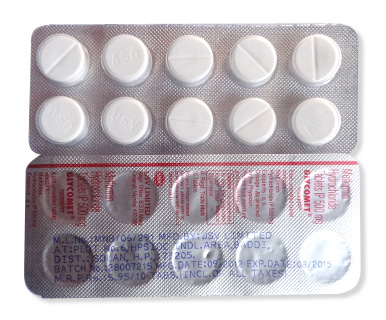
Glucophage
- In our pharmacy, you can buy Glucophage without a prescription, with delivery in 5–14 days throughout the United Kingdom. Discreet and anonymous packaging.
- Glucophage is used for the treatment of Type 2 Diabetes Mellitus and Polycystic Ovary Syndrome (PCOS). The drug works by lowering blood glucose levels primarily through improved insulin sensitivity and decreased hepatic glucose production.
- The usual dosage of Glucophage is 500 mg orally once or twice daily, with the maintenance dose typically ranging from 1500 to 2000 mg per day.
- The form of administration is in tablet form.
- The effect of the medication begins within 1–2 hours after administration.
- The duration of action is approximately 12 hours.
- It is advised to avoid alcohol as it may increase the risk of lactic acidosis.
- The most common side effect is gastrointestinal disturbances, including diarrhoea, nausea, and abdominal pain.
- Would you like to try Glucophage without a prescription?
Glucophage


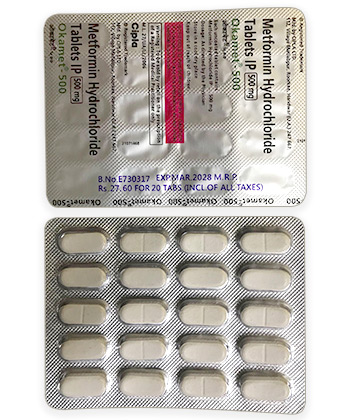




Basic Glucophage Information
| INN (International Nonproprietary Name) | Metformin |
| Brand Names Available in United Kingdom | Glucophage |
| ATC Code | A10BA02 |
| Forms & Dosages | Tablets: 500 mg, 850 mg, 1000 mg; Extended-release versions also available |
| Manufacturers in United Kingdom | Merck Sante, Teva, Zentiva, Sandoz, Mylan |
| Registration Status in United Kingdom | Prescription-only medication |
| OTC / Rx Classification | Prescription (Rx) Only |
Everyday Use & Best Practices
When considering how to take Glucophage (metformin) effectively, understanding the nuances of dosing can significantly improve management of blood sugar levels.
Morning Vs Evening Dosing
The timing of doses is a vital aspect of the treatment plan. Patients generally take Glucophage two to three times daily. Here’s a clearer breakdown:
- Morning doses: Ideal for those who are more active during the day, helping to take control of blood glucose levels early on.
- Evening doses: Beneficial for those who experience blood sugar spikes post-meals, as it aids in managing glucose levels overnight.
To find the most effective schedule, always consult your healthcare provider for personalised advice tailored to your lifestyle and routine.
Taking With Or Without Meals (UK Diet Habits)
Integrating Glucophage into daily meal patterns is essential for minimising gastrointestinal side effects, including nausea and an upset stomach. Taking this medication with food can lessen discomfort and support better digestion. In line with typical UK eating habits:
- Consider taking Glucophage during breakfast and dinner
Consistent meal timings create a stabilising effect on blood sugar levels, enhancing overall treatment efficiency.
Safety Priorities
Understanding who should avoid Glucophage is crucial for patient safety. Certain groups are advised against using this medication, including:
Who Should Avoid It (MHRA Warnings)
Those with serious health conditions should steer clear of Glucophage. Specifically, patients who have:
- Severe renal impairment
- Metabolic acidosis
- Hypersensitivity to metformin
Always provide your healthcare provider with complete medical history to determine if Glucophage is suitable for you.
Activities To Limit (Driving, Work Safety)
Patients taking Glucophage should exercise caution when undertaking tasks requiring full alertness, such as driving or operating machinery. Some may experience:
- Dizziness
- Fatigue
Evaluating your level of alertness before engaging in crucial activities is essential for ensuring safety.
Dosage & Adjustments
Adhering to the proper dosage is fundamental for effective treatment. The NHS typically initiates patients on Glucophage at:
General Regimen (NHS Guidance)
The typical starting dosage is:
- 500 mg taken once or twice daily,
- Adjustable based on patient tolerance and glycaemic control, generally maxing out at 2000-2550 mg daily.
Sticking to NHS guidelines helps individuals manage their diabetes safely and effectively.
Special Cases (Elderly, Comorbidities)
For specific populations, such as the elderly or patients with multiple health conditions, unique considerations are necessary. Important factors include:
- Dosing adjustments based on renal function are mandatory to reduce the risk of lactic acidosis.
- Regular monitoring via consultations is vital to tailor the treatment plan appropriately.
User Testimonials
Hearing from others can be reassuring when starting Glucophage. Many UK patients share positive experiences, often noting:
Positive Reports From UK Patients
A number of individuals emphasise:
- Improvements in blood glucose levels
- Enhancements in overall health
Communities on NHS forums often echo the importance of adhering to prescribed regimens, providing support to new users exploring treatment options.
Common Challenges (Patient.info, NHS Forums)
Despite its effectiveness, some users encounter challenges, such as gastrointestinal discomfort and dizziness. Conversations on platforms like Patient.info highlight:
- Strategies for easing side effects, including gradually increasing dosage or ensuring medication is taken with meals.
Buying Guide
When it comes to managing Type 2 diabetes, many patients are eager to find effective treatment options. Glucophage is a popular choice, but where can it be bought reliably?
Pharmacy Sources
Major pharmacy chains like Boots, LloydsPharmacy, and Superdrug make purchasing Glucophage straightforward for many. These pharmacies stock both the standard and extended-release formulations, ensuring that patients can find the right option to suit their needs.
For those on NHS prescriptions, eligible patients can have their Glucophage covered, making it more accessible. It’s wise to check with your pharmacist to explore available options and any potential discounts.
Price Comparison
The cost of Glucophage can differ depending on where you reside within the UK. If you're in England, a prescription charge of around £9.35 applies. In Scotland, Wales, and Northern Ireland, prescriptions are provided completely free of charge.
For those considering private purchases, the price can vary significantly by pharmacy. It’s advisable to confirm prices at local pharmacies or even check online options for competitive rates or better deals. Understanding the cost structure can help patients manage their budgeting effectively.
What’s Inside & How It Works
Have you ever wondered what makes Glucophage effective? Understanding its composition and mechanism can be vital for informed health decisions.
Ingredients Overview
The primary active ingredient in Glucophage is metformin. It’s formulated alongside various excipients that play a crucial role in ensuring the tablet's stability and effectiveness. Different strengths, such as 500 mg, 850 mg, and 1000 mg, may have slight variations in their composition. Always refer to the packaging insert for detailed guidance on what’s inside.
Mechanism Basics Explained Simply
Metformin works by lowering blood glucose levels through multiple pathways:
- It reduces glucose production in the liver.
- It enhances the body’s sensitivity to insulin.
- It slows the absorption of glucose from the gut after meals.
This multifaceted action helps maintain stable blood sugar levels and can empower patients to make informed lifestyle choices regarding their diabetes management.
Main Indications
Knowing how to use Glucophage effectively can ensure that patients get the best results from their treatment. Awareness of its approved uses is key.
Approved Uses
The Medicines and Healthcare products Regulatory Agency (MHRA) recognises Glucophage as a first-line treatment for Type 2 diabetes mellitus. In some cases, it’s also prescribed off-label for managing conditions like Polycystic Ovary Syndrome (PCOS). This can help patients set correct expectations about their treatment journey.
Off-Label Uses in UK Clinics
Beyond diabetes management, healthcare providers in the UK sometimes use Glucophage for conditions such as metabolic syndrome and weight management for overweight Type 2 diabetic patients. It's crucial to discuss any off-label uses with a healthcare provider to evaluate the potential benefits and risks, ensuring that patients stay well-informed about their treatment options.
Interaction Warnings
Interactions can complicate treatment, and it's essential to be aware of them when taking Glucophage.
Food Interactions
When using Glucophage, caution with certain dietary choices is advisable:
- **Alcohol:** This can increase the risk of lactic acidosis and disrupt blood sugar stability.
- **Caffeine:** Excessive coffee or tea consumption may interfere with glucose control, potentially leading to complications.
Being mindful of these interactions can significantly enhance treatment efficacy.
Drug Conflicts
Sometimes, Glucophage interacts with other medications, leading to unexpected outcomes. Reports filed through the MHRA Yellow Card system have highlighted conflicts with medications like corticosteroids and diuretics, which may affect blood glucose levels. Always discuss current medications with a healthcare provider to prevent these conflicts from impacting your treatment.
Latest Evidence & Insights
In recent years, the role of metformin in managing Type 2 diabetes has been a hot topic of discussion, particularly in the UK and EU. Emerging studies from 2022 to 2025 highlight its cardiovascular benefits, alongside intriguing possibilities for weight loss. This shifting focus only strengthens metformin's reputation as a cornerstone in diabetes treatment.
Research suggests that beyond simply normalising blood glucose levels, metformin may significantly reduce risks associated with cardiovascular complications and obesity. Notably, patients using metformin often report improvements in their overall metabolic health. These advances underscore the importance of continual reassessment and advocacy for metformin as a first-line therapy in diabetes management.
Alternative Choices
When considering diabetes management, alternatives to Glucophage abound. The NHS provides a range of options including:
- Gliclazide: Known for stimulating insulin release.
- Sitagliptin: Works by increasing incretin levels to lower blood sugar.
- Pioglitazone: Enhances insulin sensitivity in muscle and fat tissues.
Each of these has different benefits and side effects, making it crucial for patients to have informed discussions with their healthcare providers. A pros/cons checklist can facilitate these consultations, guiding decisions based on individual health profiles and treatment goals.
Regulation Snapshot
Glucophage's ascent in the diabetes medicine landscape is supported by the Medicines and Healthcare products Regulatory Agency (MHRA) in the UK. This regulatory endorsement emphasises both safety and efficacy, allowing Glucophage to be prescribed within the NHS framework.
Prescription protocols are robust, ensuring patients not only receive the necessary medication but also ongoing monitoring and support throughout their treatment journey. This close regulation aims to mitigate risks and enhance the overall effectiveness of diabetes care.
FAQ Section
Patients often have crucial questions regarding their diabetes treatment with Glucophage. Here are a few common queries:
Can Glucophage assist in weight loss?
Some patients may notice weight loss, especially if insulin resistance is a primary concern.
What if I miss a dose?
If a dose is missed, take it as soon as remembered unless its close to the next scheduled dose. Doubling up is not advised.
Should I avoid certain foods while on Glucophage?
Yes, excess alcohol and sugary foods should be limited as they can spike blood glucose levels.
Guidelines for Proper Use
Pharmacists play a vital role in patient education on managing diabetes effectively with Glucophage. They provide essential guidance on dosages, potential side effects, and lifestyle changes that can improve treatment outcomes.
The NHS further supports patients through a wealth of resources including dietary consultations and local diabetes support groups. This holistic approach aims to empower patients, helping them to navigate their diabetes management with confidence and knowledge.
City Delivery Information
| City | Region | Delivery time |
|---|---|---|
| London | Greater London | 5–7 days |
| Birmingham | West Midlands | 5–7 days |
| Manchester | Greater Manchester | 5–7 days |
| Leeds | West Yorkshire | 5–7 days |
| Glasgow | Scotland | 5–7 days |
| Cardiff | Wales | 5–7 days |
| Edinburgh | Scotland | 5–7 days |
| Sheffield | South Yorkshire | 5–7 days |
| Bristol | South West England | 5–7 days |
| Newcastle | Tyne and Wear | 5–9 days |
| Nottingham | East Midlands | 5–9 days |
| Leicester | East Midlands | 5–9 days |
| Derby | East Midlands | 5–9 days |
| Coventry | West Midlands | 5–9 days |
| Brighton | South East England | 5–9 days |