
Malegra Dxt
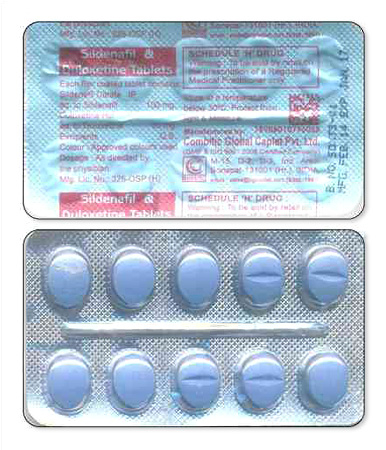
Malegra Dxt
- Malegra DXT can be purchased online without a prescription, with delivery available throughout the United Kingdom. Discreet and anonymous packaging is offered.
- Malegra DXT is used to treat erectile dysfunction and premature ejaculation by combining Sildenafil, which enhances blood flow, and Duloxetine, which helps delay ejaculation.
- The usual dose of Malegra DXT is one tablet (100 mg Sildenafil and 30 mg Duloxetine) taken as needed.
- The form of administration is an oral tablet.
- The onset time is approximately 30 minutes to 1 hour before sexual activity.
- The duration of action is up to 4-6 hours.
- It is advisable to avoid alcohol while taking this medication.
- The most common side effect is headache.
- Would you like to try Malegra DXT without a prescription?
Malegra Dxt
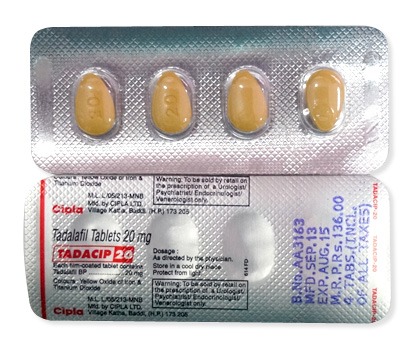

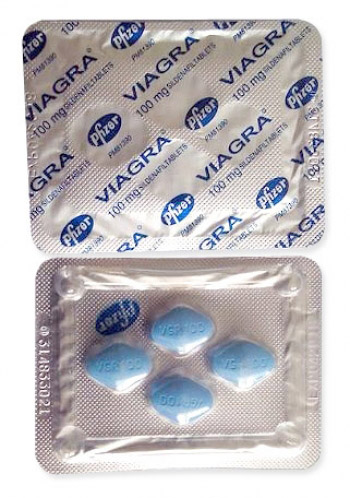
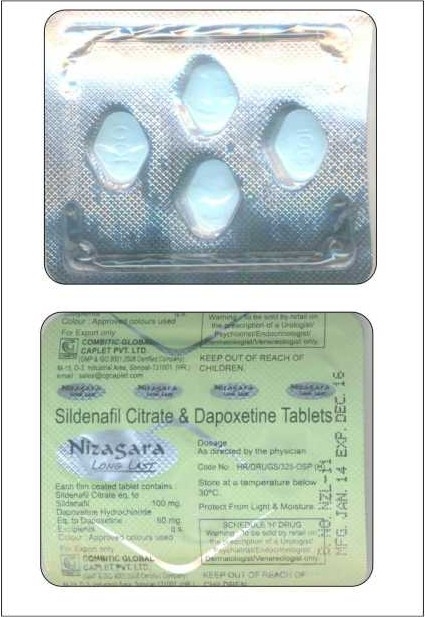
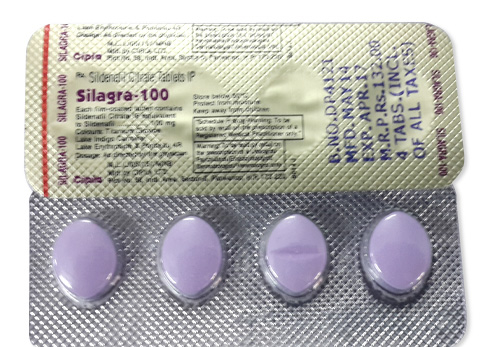
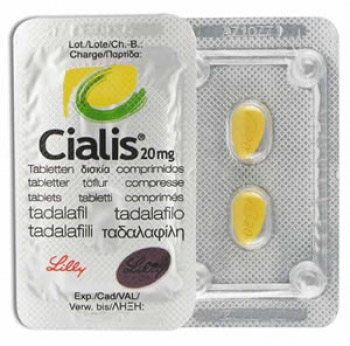
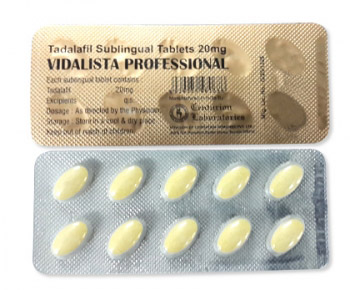
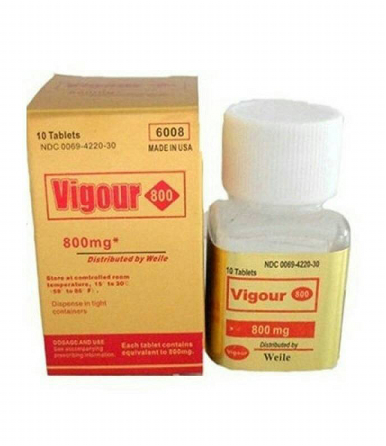
Basic Malegra DXT Information
- INN (International Nonproprietary Name): Sildenafil and Duloxetine
- Brand names available in United Kingdom: Malegra DXT, Malegra DXT Plus
- ATC Code: Sildenafil – G04BE03, Duloxetine – N06AX21
- Forms & dosages: Tablets (100mg/30mg)
- Manufacturers in United Kingdom: Sunrise Remedies Pvt Ltd (India)
- Registration status in United Kingdom: Not registered for domestic sale
- OTC / Rx classification: Prescription-only (Rx)
Everyday Use & Best Practices
Choosing the right time to take Malegra DXT can significantly influence its effectiveness for treating erectile dysfunction and premature ejaculation. Most men in the UK lead busy lives with demanding schedules, making the timing of medication crucial for optimal results.
Morning Vs Evening Dosing
For many, taking Malegra DXT in the evening might be ideal, especially if planned intimacy is on the agenda. The medication typically takes effect within 30 to 60 minutes, allowing ample time for spontaneous activities. Morning dosing can also work well, particularly for those who prefer being prepared ahead of the day’s activities. Factors to consider:
- Evening Dosing: Best when planning ahead for sexual activities during leisure time.
- Morning Dosing: Convenience for those with a busy evening schedule.
Taking With Or Without Meals
The absorption of Malegra DXT can be influenced by food intake, particularly large meals or alcohol. While it can be taken with or without food, many find that a heavy meal can delay the onset of effects. This is primarily due to the time it takes for the body to digest and process food. When considering your diet:
- Heavy Meals: Can slow absorption, leading to delayed effects.
- Alcohol Consumption: May enhance certain side effects like dizziness and reduce efficacy.
Safety Priorities
Who should avoid it (MHRA warnings)
Malegra DXT isn't for everyone. The Medicines and Healthcare products Regulatory Agency (MHRA) has outlined specific warnings on who should steer clear of this combination medication. These include individuals with:
- Severe hepatic or renal impairment, as both Sildenafil and Duloxetine can further complicate these conditions.
- Cardiovascular diseases, including unstable angina and recent myocardial infarction.
- Known hypersensitivity to either active ingredient, as this could lead to serious side effects.
- Bleeding disorders, since Duloxetine can increase bleeding risks.
- Seizure disorders; the use of Duloxetine may lower the seizure threshold, putting individuals at increased risk.
It's essential that patients consider these risk factors seriously. Anyone currently taking nitrates or nitric oxide donors also need to avoid Malegra DXT due to the potentially life-threatening risk of severe hypotension.
Activities to limit (driving, work safety)
Engaging in activities that require alertness or coordination after taking Malegra DXT should be approached with caution. Side effects such as dizziness, palpitations, or blurred vision could severely impact the ability to perform tasks like:
- Driving: Reaction times may be affected, increasing the risk of accidents.
- Operating machinery: Similar to driving, using heavy or complex machinery can pose safety hazards.
- Work requiring full concentration: Jobs that involve critical decision-making or precise actions are best approached with caution.
Individuals should assess their tolerance to the medication before engaging in these activities. Monitoring how the body reacts to Malegra DXT is crucial. If dizziness or disorientation occur, postponement of such tasks is advisable. Always prioritise safety when considering lifestyle activities post-medication.
Dosage & Adjustments
General regimen (NHS guidance)
When considering the use of Malegra DXT, it’s crucial to follow the NHS guidance for dosing. This combined medication features Sildenafil and Duloxetine, primarily prescribed for erectile dysfunction and premature ejaculation.
For most adults, the standard recommendation is:
- Erectile Dysfunction: 1 tablet containing 100mg of Sildenafil and 30mg of Duloxetine, taken approximately 30 minutes to 1 hour before sexual activity.
- Premature Ejaculation: 1 tablet under similar conditions as above, ensuring a maximum frequency of no more than one tablet in 24 hours.
Both conditions require patients to take the medication as needed, rather than on a fixed schedule, making it a convenient choice for those who prefer flexibility in their treatment.
Storage should be at a temperature below 30°C, protected from moisture and direct light, ensuring the integrity of the medication is maintained.
Special cases (elderly, comorbidities)
Dosage adjustments for specific populations are vital for safety and efficacy. For the elderly, starting at the lowest effective dose is critical, as increased sensitivity to both Sildenafil and Duloxetine can heighten the risk of side effects. Regular monitoring is recommended.
For individuals with comorbid conditions:
- Liver impairment: For those with any liver issues, particularly advanced forms, use of this combination is generally contraindicated due to Duloxetine's potential risks.
- Kidney impairment: Caution is advised. If tests indicate poor kidney function (specifically when creatinine clearance is below 30 mL/min), a dose reduction may be necessary.
Patients with severe renal impairment or liver dysfunction should discuss alternative treatment options with their healthcare provider. Such strategic adjustments ensure that therapy is both effective and safe.