Orlistat
Orlistat
- Orlistat can be purchased online or in pharmacies without a prescription, with discreet and anonymous packaging available for delivery throughout the United Kingdom.
- Orlistat is used for the treatment of obesity and aids in weight loss by inhibiting the absorption of dietary fats in the intestines.
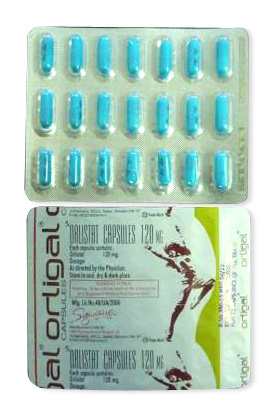
- The usual dosage of orlistat is 120 mg taken three times daily with main meals.
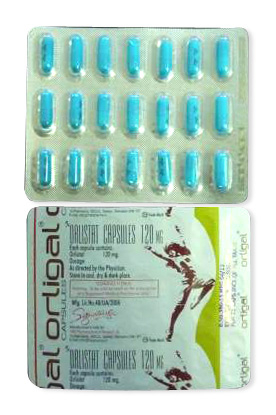
- The form of administration is a hard gelatin capsule.
- The effect of the medication begins within 24 to 48 hours after starting treatment.
- The duration of action is approximately 4–5 hours after ingestion.
- It is advisable to avoid alcohol while taking orlistat.
- The most common side effect is oily spotting or flatulence.
- Would you like to try orlistat without a prescription?
Orlistat
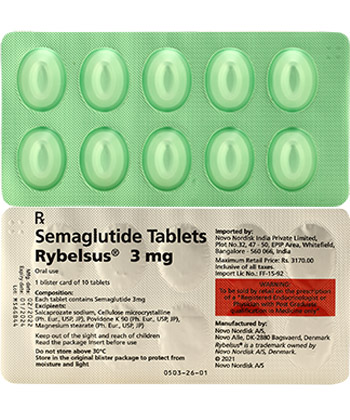
Basic Orlistat Information
- INN (International Nonproprietary Name): Orlistat
- Brand Names Available in United Kingdom: Alli, Xenical
- ATC Code: A08AB01
- Forms & Dosages: Capsules (60 mg, 120 mg)
- Manufacturers in United Kingdom: Roche, GlaxoSmithKline, Generic suppliers
- Registration Status in United Kingdom: Approved (prescription and OTC)
- OTC / Rx Classification: Available as OTC 60 mg and Rx 120 mg
Everyday Use & Best Practices
For those considering orlistat, understanding how to incorporate it naturally into daily routines is essential for maximising its effectiveness. With its primary role being to hinder fat absorption, the timing and conditions under which it is taken can significantly influence the results.
Morning vs Evening Dosing
The ideal approach for taking orlistat is to align the doses with each main meal—breakfast, lunch, and dinner. This strategy ensures that the medication effectively blocks the absorption of fats from the food consumed. Consistency plays a critical role; patients should aim to take orlistat at the same times each day. Here are practical tips to help establish a routine:
- Set reminders on your phone or using a calendar to take orlistat with your meals.
- Prepare your meals ahead of time to prevent skipping doses.
- Keep a small supply of orlistat in your bag for when you're eating out.
- Combine the medicine with a healthy eating plan to see optimum results.
Taking With or Without Meals (UK Diet Habits)
Orlistat is best taken during or just before meals that include fat. Given the typical eating habits in the UK, this can be seamlessly integrated into everyday meals. Emphasising a balanced diet that aligns with the medication can help enhance its efficacy. Here are some practical meal planning tips:
- Focus on high-fibre foods: Incorporate plenty of fruits, vegetables, and whole grains that support overall health.
- Choose low-fat options: Opt for lean meats, low-fat dairy, and oil-based dressings in moderation.
- Stay hydrated: Drink plenty of water throughout the day, particularly with meals.
- Mind portion sizes: Eating smaller portions helps maintain calorie control while using orlistat.
Adjusting meals in conjunction with orlistat enables better fat reduction and promotes a healthier lifestyle. Adopting these tips can facilitate a smoother experience with the drug while aligning with typical UK dietary preferences.
Whether you are considering using orlistat for the first time or looking to optimise your regimen, understanding the best practices surrounding dosing and meal planning will support your weight management goals more effectively. This information is fundamental for achieving desirable weight loss outcomes and overall well-being.
Safety Priorities
Who should avoid it (MHRA warnings)
Orlistat is not suitable for everyone. Certain groups should steer clear to ensure safety and health. Absolute contraindications include:
- Chronic malabsorption syndrome
- Hypersensitivity to orlistat or its excipients
- Pregnancy (category X: contraindicated)
Consulting healthcare providers is a must for individuals with various health conditions, particularly those with diabetes or thyroid issues. This ensures a safe approach to weight management while minimising risks associated with orlistat use. Keeping communications open with a healthcare professional is crucial for making informed decisions and confirming suitability for orlistat.
Activities to limit (driving, work safety)
Potential side effects of orlistat can impede daily life. Urgent bowel movements, oily stools, and abdominal discomfort could jeopardise activities requiring full concentration, such as driving or tasks that require heightened alertness. Patients experiencing these side effects should engage in discussions with their healthcare provider. Clear communication about side effects can help tailor a personal approach to ensure safety in daily activities and maintain quality of life.
Dosage & Adjustments
General regimen (NHS guidance)
The NHS provides clear guidelines for dosages of orlistat. Typically recommended as:
| Dosage Form | Strength (mg) | Route | Common Brands |
|---|---|---|---|
| Capsule | 60 | Oral | Alli (OTC) |
| Capsule | 120 | Oral | Xenical (Prescription) |
The standard dose is 120 mg taken three times daily with main meals. There is also an alternative 60 mg dose available over-the-counter for those looking to manage their weight. Adhering to these guidelines is vital to achieve safe and effective results.
Special cases (elderly, comorbidities)
Patients who fall into specific categories, such as the elderly or those with comorbidities, may require dosage adjustments or enhanced monitoring while on orlistat. Regular consultations with healthcare professionals ensure that any needed changes in treatment are promptly addressed. This is particularly important for patients with complicated medical histories. In practice, keeping an open dialogue with healthcare providers supports the effective and safe management of weight while minimising risks associated with orlistat.
User Testimonials
Positive reports from UK patients
Numerous users across platforms like Patient.info have shared their positive experiences with orlistat. Many report significant weight loss and improved well-being after adhering to a prescribed regimen. The combination of orlistat with a healthy diet has proven beneficial for those navigating their weight-loss journeys. This plethora of success stories highlights the efficacy of orlistat and reinforces its role in weight management.
Common challenges (Patient.info, NHS forums)
On the flip side, several users have encountered some common hurdles when using orlistat. Reports of side effects like oily spotting and gastrointestinal distress are prevalent. To manage these challenges, here are some useful tips:
- Maintain a low-fat diet to minimise side effects.
- Stay hydrated to ease gastrointestinal discomfort.
- Consult with a healthcare provider if symptoms persist to adjust the dosage or address underlying issues.
Encouraging open dialogue with medical professionals for support is key. This ensures proactive measures for managing side effects and enhancing the overall experience while using orlistat.
Buying Guide
Pharmacy sources (Boots, LloydsPharmacy, Superdrug)
When considering where to obtain Orlistat in the UK, major high street pharmacies such as Boots, LloydsPharmacy, and Superdrug stand out. Customers have the option to purchase Orlistat capsules over the counter in Boots and Superdrug, making it easily accessible without a prescription. LloydsPharmacy, on the other hand, offers both over-the-counter and prescription options. Online pharmacies also provide a convenient platform for buying Orlistat from the comfort of home, often at competitive prices. Before purchasing, it's essential to compare these local services and online options to find the best deal. Being a popular choice among weight loss aids, Orlistat's availability in numerous formats ensures that anyone can find an option that suits their needs.
Price comparison (NHS prescription charge vs private)
Considering the financial aspect of acquiring Orlistat is crucial for potential users. In the UK, the cost may vary significantly between NHS prescriptions and private purchases. NHS prescriptions are often subsidised; however, this could depend on specific circumstances, such as age or health conditions that might exempt individuals from charges in certain regions. For those looking to buy privately, prices can range widely. The table below summarises the cost differences:
| Purchase Method | Cost | Notes |
|---|---|---|
| NHS Prescription | £9.35 | Often subsidised, check if eligible for exemption. |
| Private Purchase (Boots) | £40.00 | Cost for a pack of 84 capsules (120 mg). |
| Private Purchase (Superdrug) | £38.00 | Pricing may vary depending on promotions. |
| Online Pharmacy | From £30.00 | Prices for various brands and dosages. |
What’s Inside & How It Works
Ingredients overview
Orlistat is primarily composed of the active ingredient within its capsules, which inhibits lipid absorption. Additionally, capsules contain excipients that support stability and drug delivery. Understanding these components is crucial for high-quality results. Users should be aware of what goes into each capsule and how it functions in the digestive tract, primarily targeting fat absorption.
Mechanism basics explained simply
The remarkable way Orlistat works involves blocking enzymes that break down dietary fat in the intestines. Imagine it as a gatekeeper; when fat hits the intestines, Orlistat keeps a portion of it from being absorbed into the body. Consequently, this excess fat is merely passed out of the body. Thus, in essence, it promotes weight loss by curtailing fat intake without the need for complicating diet regimes.
Main Indications
Approved uses (MHRA listing)
According to the MHRA guidelines, the primary approved uses of Orlistat involve treating obesity and assisting weight management for adults with a BMI of 28 or higher. Effectively, it plays a role in supporting a reduced-calorie diet alongside other lifestyle changes.
Off-label uses in UK clinics
While Orlistat's approved use focuses on obesity, some clinics have explored its effectiveness for off-label conditions such as metabolic syndrome. However, patients are encouraged to consult with healthcare professionals before using Orlistat for non-approved purposes, ensuring safety and efficacy tailored to individual health needs.
Interaction Warnings
Food interactions (alcohol, tea/coffee)
When taking Orlistat, certain foods and beverages could interfere with its effectiveness or heighten side effects. Consuming high-fat foods can exacerbate gastrointestinal discomfort and lead to unpleasant symptoms. Alcohol may cause additional complications, so it’s essential to monitor dietary intake. Adopting a low-fat diet while on Orlistat can significantly enhance its effectiveness and reduce the odds of adverse reactions.
Drug conflicts (MHRA Yellow Card reports)
Certain medications could interact negatively with Orlistat, particularly ciclosporin, which could see decreased effectiveness. Monitoring for interactions is vital; patients should report any adverse reactions promptly. Staying in touch with healthcare providers about current medications is a crucial safety measure when considering Orlistat's use.
Delivery Times for Orlistat Purchases
| City | Region | Delivery Time |
|---|---|---|
| London | Greater London | 5–7 days |
| Birmingham | West Midlands | 5–7 days |
| Manchester | Greater Manchester | 5–7 days |
| Glasgow | Scotland | 5–7 days |
| Leeds | West Yorkshire | 5–7 days |
| Bristol | South West England | 5–7 days |
| Sheffield | South Yorkshire | 5–7 days |
| Cardiff | Wales | 5–7 days |
| Edinburgh | Scotland | 5–9 days |
| Coventry | West Midlands | 5–9 days |
| Belfast | Northern Ireland | 5–9 days |
| Nottingham | East Midlands | 5–9 days |