
Permethrin
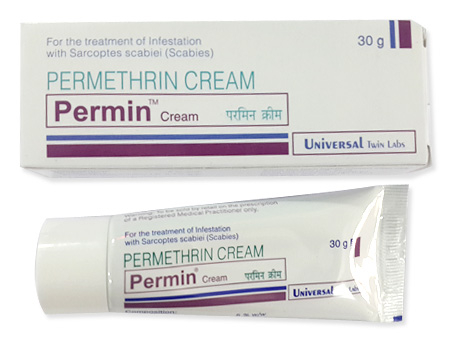
Permethrin
- In our pharmacy, you can buy permethrin without a prescription, with delivery in 5–14 days throughout the United Kingdom. Discreet and anonymous packaging.
- Permethrin is used for the treatment of scabies and head lice. The drug acts as a neurotoxin to parasites by disrupting their nervous system.
- The usual dose for scabies is a full tube (30g/60g of 5% cream), while for head lice, it is to apply to washed hair, leaving it for 10 minutes.
- The form of administration is a cream, lotion, or spray.
- The effect of the medication begins within a few hours of application.
- The duration of action can last up to 14 hours for scabies and typically longer for lice after initial application.
- Do not consume alcohol while using this medication.
- The most common side effect is local irritation such as burning, stinging, or itching at the application site.
- Would you like to try permethrin without a prescription?
Permethrin
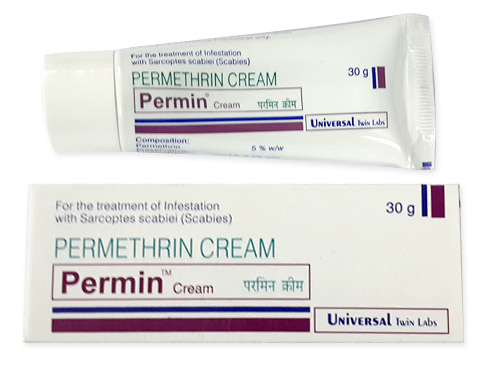
Basic Permethrin Information
- INN (International Nonproprietary Name): Permethrin
- Brand names available in United Kingdom: Lyclear, Nix
- ATC Code: P03AC04
- Forms & dosages: Cream (5%), Lotion (1%)
- Manufacturers in United Kingdom: GlaxoSmithKline, Reckitt
- Registration status in United Kingdom: Approved
- OTC / Rx classification: Available over-the-counter (OTC) for certain formulations
Everyday Use & Best Practices
Questions about when and how to use permethrin for conditions like scabies and lice are common among users. Understanding the best practices for application can greatly enhance the treatment experience.
Morning vs Evening Dosing
Permethrin is widely used as a cream or lotion for treating scabies and lice. One key aspect of treatment is the timing of application. Many patients opt for evening dosing, given the convenience of leaving the product on overnight. This allows for extended contact time, optimising effectiveness.
In contrast, applying the treatment in the morning can also be effective, particularly for head lice. For children, using permethrin in the morning before school helps ensure that it can be rinsed off after the recommended duration of 10 minutes. This timing maintains a balance between effective treatment and daily routines.
Taking with or without Meals
Regarding dietary habits, permethrin can be applied without concern for mealtimes. There are no specific dietary restrictions that accompany its use, making it easier for users to incorporate into their daily routines.
However, it may be wise to be mindful of post-application activities, especially for individuals accustomed to enjoying a high tea. Some reports suggest that patients may experience heightened skin sensitivity after eating, which can be minimised by waiting a while before consuming food or drinks.
Overall, the flexibility of applying permethrin makes it a user-friendly option for treating conditions such as scabies and lice, and augmenting treatment effectiveness can often be achieved by considering the timing and conditions surrounding its use.
User Testimonials
Positive Reports from UK Patients
Many patients across the UK have shared their positive experiences with permethrin, particularly for treating scabies and lice. Users frequently praise its effectiveness and report a high success rate in eradicating these pests. Notably, the 1% lotion for lice is often highlighted for how easy it is to apply, with many patients favouring to do so at night. This allows them to sleep through the treatment without disruption. Minimal side effects reported contribute to the overarching satisfaction, making permethrin a preferred choice among patients.
Common Challenges
Despite the largely positive feedback, some users on platforms like Patient.info and NHS forums mentioned a few challenges. Itching can persist even after the application, which can be uncomfortable for many, leading to questions about the effectiveness of the treatment. There's also mention of the need for repeated treatments, indicating that stubborn lice or scabies might require extra diligence. Some users even reported resistance to permethrin, stressing the importance of adhering strictly to application guidelines. It's beneficial to consult a healthcare provider if symptoms persist after treatment, ensuring proper management.
Buying Guide
Pharmacy Sources
Permethrin is readily available over the counter at major pharmacies like Boots, LloydsPharmacy, and Superdrug in the UK. Generally, the 1% lotion for lice does not require a prescription, enabling quick access. However, the 5% cream for scabies may be subject to local regulations, making it essential to check its availability in your area.
Price Comparison
When considering costs, know that an NHS prescription charge applies in England. Meanwhile, Scotland, Wales, and Northern Ireland do not impose a fee for NHS prescriptions, offering potential savings for patients. Private purchase prices for permethrin can range from £7 to £20, with variations based on the pharmacy and specific formulation. For instance, the price for permethrin cream might differ from that of the lotion or spray formulations. Always check prices across different outlets to find the best deal on permethrin, especially if multiple treatments are necessary.
What’s Inside & How It Works
Ingredients Overview
Permethrin is classified as a synthetic pyrethroid, mimicking the effects of natural pyrethrin compounds found in chrysanthemum flowers. Its primary function is as an insecticide, specifically targeting parasites such as scabies mites and lice. The formulations contain active ingredients that disrupt the nervous system functions of these pests, leading to their eventual death.
Mechanism Basics Explained Simply
The way permethrin operates is fairly straightforward. It targets specific nerve channels within parasites that cause paralysis and death. This mechanism is selective, which means it effectively destroys pests while remaining relatively safe for human use when applied as directed. Understanding how permethrin works can enhance confidence in using it as a treatment option. Users can expect results as it effectively disrupts the lifecycle of both scabies and lice.
Main Indications
Approved Uses
Permethrin holds approval in the UK for treating scabies and head lice, as recognised by the MHRA. It is notably effective in combating resistance encountered with other treatments. This positions permethrin as a preferred option in managing infestations, ensuring users have a reliable treatment choice at their disposal.
Off-Label Uses in UK Clinics
In addition to its officially sanctioned uses, some clinics in the UK opt to apply permethrin in off-label situations. Instances include treatments for various skin infestations or as a preventive measure for recurrent head lice. It's crucial, however, for patients to consult healthcare professionals before undergoing any off-label uses. This ensures safety and efficacy while adhering to medical guidelines.
Interaction Warnings
Many individuals using permethrin for conditions such as scabies or lice might have concerns regarding potential interactions with food, beverages, or other medications.
Food Interactions (Alcohol, Tea/Coffee)
Though permethrin does not exhibit strong interactions with food or beverages, cautious patients may wish to limit their alcohol intake following application. Some users report varying sensitivities, especially regarding skin reactions. It's always best to play it safe when dealing with topical treatments.
Drug Conflicts (MHRA Yellow Card Reports)
Reports indicate minimal documented interactions between permethrin and other drugs. The MHRA (Medicines and Healthcare products Regulatory Agency) recommends monitoring for any unexpected side effects whenever permethrin is used in conjunction with other topical treatments. When patients mix multiple products for treating scabies or lice, the skin might become overwhelmed, resulting in adverse reactions such as irritation and rash.
Latest Evidence & Insights
Research efforts in the UK and EU from 2022 to 2025 demonstrate the effective use of permethrin in treating scabies and lice, especially in populations experiencing resistance to other treatments. A notable study from 2023 reaffirmed its efficacy across two treatment cycles, reinforcing its status as a first-line option in many cases.
Alternative Choices
For patients exploring options beyond permethrin for treating conditions like scabies or lice, there are alternatives available within NHS guidelines. These include:
- Malathion: Effective for lice treatment, though it may cause more skin irritation.
- Ivermectin: An alternative requiring a prescription; it may not be suitable for all patients.
A checklist weighing the pros and cons of each option can significantly aid in deciding treatment pathways. Important factors include:
- Cost
- Potential side effects
- Ease of use
Regulation Snapshot
Permethrin has received approval from the MHRA for the treatment of scabies and lice, aligning with NHS prescribing frameworks that dictate safe usage. Available formulations can be obtained over-the-counter or via prescription, depending on their concentration. Commonly administered dosages include:
- 1% cream for lice
- 5% cream for scabies
This accessibility reflects confidence in its safety profile, as evidenced by extensive use, both topically and in veterinary medicine.
FAQ Section
Several questions commonly arise among patients regarding permethrin usage:
- Is permethrin safe for children? Yes, but dosages differ by age; consulting a healthcare provider is essential.
- Can I use permethrin if pregnant? Seeking professional advice is crucial during pregnancy and breastfeeding.
- What should I do if permethrin doesn’t work? If symptoms persist, consult a medical professional for additional treatment options or to assess potential resistance.
Guidelines for Proper Use
Pharmacists are often the go-to source for detailed guidance on applying permethrin effectively. Key points often covered include:
- Ensure thorough application to affected areas.
- Adhere to recommended duration for maximum efficacy.
Patients must revisit the pharmacy if they have further queries or concerns. NHS resources suggest strict adherence to application guidelines to enhance effectiveness and reduce reinfestation risks. Furthermore, washing bedding and clothing post-treatment is necessary to prevent recurrence.
Delivery Information
| City | Region | Delivery Time |
|---|---|---|
| London | England | 5–7 days |
| Birmingham | England | 5–7 days |
| Manchester | England | 5–7 days |
| Glasgow | Scotland | 5–7 days |
| Leeds | England | 5–7 days |
| Bristol | England | 5–7 days |
| Sheffield | England | 5–7 days |
| Liverpool | England | 5–7 days |
| Newcastle | England | 5–9 days |
| Coventry | England | 5–9 days |
| Cardiff | Wales | 5–9 days |
| Belfast | Northern Ireland | 5–9 days |