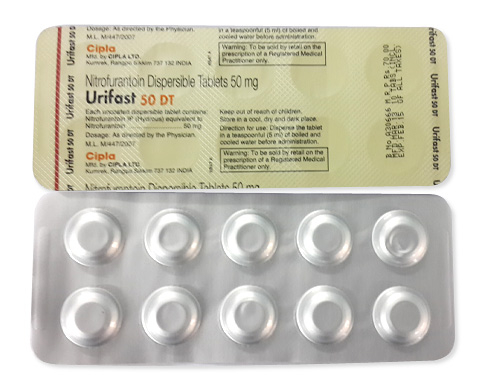
Terbinafine
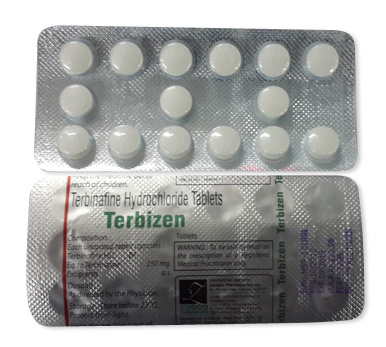
Terbinafine
- In our pharmacy, you can buy terbinafine without a prescription, with delivery in 5–14 days throughout the United Kingdom. Discreet and anonymous packaging.
- Terbinafine is intended for the treatment of fungal infections such as onychomycosis, tinea pedis, tinea cruris, tinea corporis, and tinea capitis. The drug works by inhibiting the enzyme squalene epoxidase, leading to the death of the fungal cells.
- The usual dosage of terbinafine for onychomycosis is 250 mg once daily for 6-12 weeks, depending on the type of infection.
- The form of administration is available as oral tablets, topical cream, or spray.
- The effect of the medication begins within 1-2 weeks for most topical forms and takes a few weeks for oral therapy to show full results.
- The duration of action varies; for topical forms, it is usually around 24 hours, while oral forms provide longer-lasting effects as the drug accumulates in the keratin of the nails and skin.
- Do not consume alcohol while taking terbinafine, as it may increase the risk of liver toxicity.
- The most common side effect is gastrointestinal upset, including nausea and diarrhoea.
- Would you like to try terbinafine without a prescription?
Terbinafine
Basic Terbinafine Information
International Nonproprietary Name (INN): Terbinafine ATC Code and Classification: - ATC code: D01BA02 - Classification: This code indicates Terbinafine is grouped under "Antifungals for topical use – Allylamines" but is also used systemically for certain conditions. Brand Names and Regional Packaging:| Country/Region | Brand Names (exact spelling/packages) | Notable Packagers / Marketers |
|---|---|---|
| International | Lamisil, Terbinex | Novartis, Taro, Mylan |
| USA | Lamisil (tablets, cream, spray); Terbinex (tablets) | Novartis, Breckenridge, Mylan |
| Formulation Type | Strength(s) | Route | Typical Packaging |
|---|---|---|---|
| Tablet | 250 mg | Oral | Blisters 7, 14, 28 tablets |
| Cream | 1% | Topical | Tubes 7g, 15g, 30g |
Everyday Use & Best Practices
Understanding the correct usage of terbinafine can greatly impact its effectiveness and the overall treatment experience. Here are some best practices to help ensure optimal results.
Morning vs Evening Dosing
The timing of terbinafine intake can affect its efficacy. Typically, oral terbinafine tablets are recommended to be taken once daily, making it easier to incorporate into your daily routine, whether in the morning or evening. For topical formulations, however, the application timing might depend on personal preference and daily activities. Morning dosing may benefit individuals who are active during the day, while evening use could be ideal for those who prefer applying cream or spray overnight. Importantly, sticking to a consistent dosing schedule can help maintain stable drug levels in the body and optimise treatment outcomes.
Taking with or Without Meals
When it comes to taking terbinafine, food plays a role, particularly with the oral tablet form. It can be taken with or without food, though some studies suggest that taking it with a slightly higher fat meal can enhance the drug's absorption. This phenomenon is essential considering the typical UK diet, which often includes meals rich in carbohydrates and proteins. However, it is advisable to avoid heavy or greasy meals at the time of dosing, as they might reduce the effective absorption of the medication. On the other hand, topical formulations such as creams or sprays do not require food consideration and can be applied conveniently as needed.
Adhering to these guidelines not only promotes the therapeutic effect of terbinafine but also contributes to a better overall experience for those navigating antifungal treatments. Whether for conditions like athlete's foot or nail fungus, understanding your regimen is crucial for success.
What’s Inside & How It Works
Curious about what makes terbinafine effective against fungal infections? Understanding its components and mechanism can ensure safe and effective use. Here’s a quick breakdown.
Ingredients overview
Terbinafine formulations include both active and inactive ingredients that play important roles in treatment. The active ingredient, terbinafine hydrochloride, is the primary antifungal agent. In topical forms, inactive ingredients such as cream bases, preservatives, and stabilisers help deliver the medication effectively. Topical products like terbinafine cream and sprays typically contain a concentration of 1%, while oral tablets contain 250mg of the active ingredient.
When considering safety profiles, terbinafine is generally well-tolerated. Side effects can occur, but they are usually mild. Commonly reported reactions with oral use include gastrointestinal issues, headache, and rash. It’s crucial to be aware of contraindications, especially in those with a history of liver diseases. Regular monitoring during treatment ensures safety.
Mechanism basics explained simply
So, how does terbinafine work its magic against fungal infections? The drug interferes with a key component of fungal cell membranes by inhibiting squalene epoxidase, an enzyme crucial for cell growth. This disrupts the synthesis of ergosterol, a vital ingredient for the integrity of the fungi's membranes. As a result, the fungi become more permeable and ultimately die off, making terbinafine an effective choice for issues like athlete's foot, ringworm, and nail infections.
By tackling the root of the problem, terbinafine doesn’t just mask the symptoms; it actively eliminates the fungal threat.
Main Indications
Wondering what conditions terbinafine is approved for? This medication plays a significant role in the antifungal landscape. Here’s what you need to know.
Approved uses
In the UK, terbinafine is officially recognised for treating several conditions, solidifying its position in antifungal therapy. Approved uses include:
- Onychomycosis (fungal nail infections)
- Tinea pedis (athlete's foot)
- Tinea cruris (jock itch)
- Tinea corporis (ringworm)
- Tinea capitis (scalp ringworm, especially in children)
The MHRA listings affirm its efficacy across these conditions, making it a cornerstone in onychomycosis and other superficial fungal infections.
Off-label uses in UK clinics
In some instances, healthcare professionals may prescribe terbinafine for off-label uses. These include conditions outside the standard listings, like cutaneous candidiasis, based on clinical judgement. This discretion is vital, and healthcare providers consider specific patient needs and circumstances when recommending terbinafine off-label. Ensuring a proper diagnosis before starting treatment protects the patient’s health.
Interaction Warnings
Have you considered what interacts with terbinafine? Knowing potential interactions can safeguard your treatment journey.
Food interactions
When taking terbinafine, food and drink choices can matter. Alcohol consumption is particularly noteworthy. Mixing alcohol with terbinafine isn’t advised due to potential side effects like enhanced liver strain. It’s wise to steer clear of excessive drinking while undergoing treatment. Additionally, consuming caffeine, such as coffee and tea, may impact absorption, so moderation is key.
Staying informed about what affects the medication helps maintain its effectiveness.
Drug conflicts
Terbinafine can have adverse interactions with certain medications. Commonly reported interactions include:
- Rifampicin
- Phenobarbital
- Antidepressants
The importance of discussing all medications with healthcare providers cannot be overstated. This ensures that any potential interactions are managed appropriately, facilitating a smoother treatment experience.
Latest Evidence & Insights
Curious about recent research on terbinafine? Recent studies can provide fresh insights into its efficacy and future applications.
Key UK & EU studies 2022–2025
Recent clinical studies focusing on terbinafine have shed light on its effectiveness against various fungal infections. Data from trials conducted in the UK and EU from 2022 to 2025 highlight significant advancements in treatment protocols. Key findings illustrate strong success rates in managing onychomycosis, with combinations of systemic and topical therapies enhancing efficacy.
Additionally, research indicates a growing preference for terbinafine over older antifungals, like fluconazole and itraconazole, due to its higher cure rates and fewer adverse effects. These insights are shaping updated prescribing practices, with a stronger emphasis on terbinafine as a first-line treatment option for many dermatological fungal infections.
As evidence progresses, medical guidelines will adapt, further solidifying terbinafine's role in the evolving landscape of antifungal therapy.
Alternative Choices
For those struggling with fungal infections, including athlete's foot and nail fungus, there are various antifungal medications available via the NHS. While terbinafine is often the go-to treatment, other options are also available for patients who may be unable to take it or are seeking alternatives. Let's explore these alternatives and their respective advantages and disadvantages.
NHS prescribing alternatives with pros/cons checklist
Patients may consider the following alternatives to terbinafine:
- Fluconazole:
- Pros: Effective against a range of fungal infections; oral option available.
- Cons: May require longer treatment duration; potential for drug interactions.
- Itraconazole:
- Pros: Effective for nail infections; can be used in difficult cases.
- Cons: Liver function must be monitored; various side effects.
- Clotrimazole:
- Pros: Available in topical forms; fewer systemic side effects.
- Cons: Limited efficacy for deeper fungal infections; may not be suitable for all patients.
Comparing these options with terbinafine reveals that while terbinafine is often more effective for nail infections, alternatives like fluconazole and itraconazole offer useful options for those unable to use it. Discussing choices with a GP can ensure that individuals receive the most appropriate treatment based on their specific needs.
Regulation Snapshot
The regulatory environment for terbinafine in the UK is straightforward but is critical for ensuring safety and efficacy. Terbinafine is approved by the MHRA, positioning it as a trusted solution for fungal infections.
MHRA approval & NHS prescribing framework
The MHRA (Medicines and Healthcare products Regulatory Agency) governs the approval of medications in the UK, including terbinafine. The process ensures that any product brought to market meets stringent safety and efficacy standards. When it comes to prescribing terbinafine within the NHS framework, doctors must follow a structured protocol:
- Initial consultation and diagnosis.
- Consideration of patient history, especially liver and kidney health.
- Regular monitoring during treatment, especially for side effects.
Accountability lies with the prescriber, ensuring patients receive the safest and most effective treatment tailored to their individual situations.
FAQ Section
Patients often have similar queries regarding terbinafine. Here are some frequently asked questions and their answers:
3–4 common UK patient questions
- What is the typical dosage of terbinafine? The standard adult dosage for toenail fungal infections is usually 250 mg once daily for 12 weeks.
- Are there any known interactions with other medications? Yes, terbinafine may interact with drugs like certain antidepressants and some blood thinners; it's essential to inform healthcare providers about all ongoing medications.
- Can I drink alcohol while taking terbinafine? Caution is advised, as alcohol can elevate the risk of liver toxicity; consult with a healthcare professional for tailored advice.
- Is terbinafine safe for use in children? Terbinafine can be prescribed for children in specific cases, but dosages must be adjusted based on weight.
Guidelines for Proper Use
Using terbinafine effectively necessitates proper guidance and resources.
UK pharmacist counselling style
Pharmacists play a critical role in guiding patients. They should focus on:
- Educating patients on how and when to take terbinafine.
- Discussing potential side effects and how to manage them.
- Emphasising the importance of completing the course.
NHS patient support advice
For those undergoing treatment, resources are available. The NHS provides materials and support channels to assist patients with:
- Understanding their medication and its uses.
- Receiving prompt advice on any concerns.
- Open communication with healthcare providers to ensure well-being during treatment.
| City | Region | Delivery time |
|---|---|---|
| London | Greater London | 5–7 days |
| Birmingham | West Midlands | 5–7 days |
| Manchester | Greater Manchester | 5–7 days |
| Glasgow | Scotland | 5–7 days |
| Leeds | West Yorkshire | 5–7 days |
| Cardiff | Wales | 5–7 days |
| Bristol | South West | 5–7 days |
| Sheffield | South Yorkshire | 5–7 days |
| Newcastle | Tyne and Wear | 5–9 days |
| Nottingham | Nottinghamshire | 5–9 days |
| Coventry | West Midlands | 5–9 days |
| Brighton | East Sussex | 5–9 days |