
Tofisopam
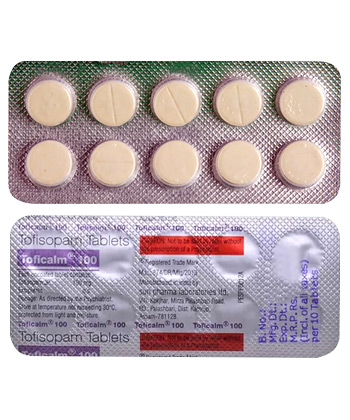
Tofisopam
- In our pharmacy, you can buy tofisopam without a prescription, with delivery in 5–14 days throughout the United Kingdom. Discreet and anonymous packaging.
- Tofisopam is intended for the treatment of anxiety disorders, somatoform autonomic dysfunctions, and adjustment disorders. The drug is a non-classical 2,3-benzodiazepine that acts primarily as an anxiolytic, unlike classical benzodiazepines.
- The usual dose of tofisopam is 50–100 mg, taken 2–3 times daily, with a maximum dose of 300 mg.
- The form of administration is a film-coated tablet.
- The effect of the medication begins within 30-60 minutes.
- The duration of action is approximately 8–12 hours.
- It is advisable to avoid alcohol while taking tofisopam.
- The most common side effect is gastrointestinal upset, including nausea and dizziness.
- Would you like to try tofisopam without a prescription?
Tofisopam
Basic Tofisopam Information
- International Nonproprietary Name (INN): Tofisopam (tofisopamum)
- Brand names available in United Kingdom: Not available (not approved)
- ATC Code: N05BA23
- Forms & dosages: Film-coated tablets, 50 mg / 100 mg
- Manufacturers in United Kingdom: N/A
- Registration status in United Kingdom: Not registered
- OTC / Rx classification: Prescription only (Rx)
Everyday Use & Best Practices
Determining when to take Tofisopam can greatly influence its effectiveness. For most patients, the choice between morning or evening dosing hinges on personal routines and lifestyle needs. Morning dosing is often preferred for individuals who experience anxiety throughout the day, as it helps maintain focus and manage stress effectively. Conversely, some may benefit from evening doses if anxiety or tension peaks at night, leading to difficulties in unwinding before sleep. Regardless of the timing chosen, maintaining a consistent dosing schedule is crucial. This adherence ensures that the therapeutic effects of Tofisopam are maximised and stabilises the body’s response, making it less likely for symptoms to fluctuate unexpectedly.
Taking With Or Without Meals
When considering how to take Tofisopam, dietary habits play a role in absorption and overall efficacy. While many medications have specific requirements regarding food intake, Tofisopam can usually be taken either with meals or on an empty stomach. However, since it is typically administered in divided doses throughout the day, timing can align well with traditional UK eating patterns.
In the UK, meals often occur at set times, such as breakfast, lunch, and dinner. For many, taking Tofisopam with food could enhance comfort and reduce any potential gastrointestinal side effects. Here are some practical tips to help:
- Consider taking Tofisopam with breakfast or lunch if you experience stomach upset.
- If you're eating at a later hour, feel free to match it with your evening dose, but keep the timing consistent each day.
- Be mindful of large meals, as they might affect how quickly the medication is absorbed, but a balanced meal supports better integration.
Always follow your healthcare provider’s advice regarding dosing and timing. This ensures that you are informed about how best to integrate Tofisopam into your daily routine, maximising the medication’s effectiveness while aligning with typical UK dietary habits.
Safety Priorities
Who should avoid it (MHRA warnings)
Before considering Tofisopam, it's crucial to identify who should steer clear of it. According to guidelines set by the Medicines and Healthcare products Regulatory Agency (MHRA), certain patient groups should avoid this medication. Key individuals include:
- Patients with severe hepatic dysfunction, as Tofisopam is metabolised by the liver.
- People suffering from respiratory failure.
- Individuals with a known hypersensitivity to Tofisopam or its ingredients.
- Those with acute poisoning from CNS depressants, such as alcohol or opioids.
- Patients with severe myasthenia gravis.
For those who fall into these categories, the risks associated with Tofisopam could outweigh its benefits. Alternative treatments may be available, such as non-benzodiazepine anxiolytics or SSRIs, which could provide effective relief without similar risks. Always consult with a healthcare provider to discuss the safest options tailored to individual health conditions.
Activities to limit (driving, work safety)
While Tofisopam is designed to alleviate anxiety, it’s important to be mindful of how it may affect daily activities. Until understanding how the drug impacts personal functioning, certain activities should be avoided. These include:
- Driving: One's ability to operate a vehicle may be hindered initially.
- Operating machinery: Safety may be compromised due to potential dizziness or drowsiness.
Patients are strongly advised to refrain from these activities until they fully grasp the effects of Tofisopam. Consulting a healthcare provider for personalised safety advice is also essential. They can provide guidance on when it might be safe to resume normal activities and help monitor any side effects that may arise during treatment. Personal safety shouldn't be taken lightly, and it's okay to prioritise wellbeing over productivity before gaining confidence in the medication's effects.
Dosage & Adjustments
General regimen (NHS guidance)
When it comes to prescribing tofisolpam in the UK, adhering to the NHS guidelines is paramount for ensuring patient safety. The standard dosage for adults typically ranges from 50 to 100 mg, administered in divided doses of 2 to 3 times daily.
The Drug is usually taken with food, which can help mitigate gastrointestinal upset. Medical professionals often recommend starting at the lower end of the dosage spectrum, particularly for those who are new to this medication.
It's essential to emphasise that the maximum allowable daily dose is 300 mg. Strict adherence to NHS prescribing protocols helps prevent misuse and reduces the risk of side effects, ensuring that patients receive therapy tailored to their needs.
Special cases (elderly, comorbidities)
For certain patient demographics, especially the elderly or those coping with comorbid conditions, dosage adjustments are not merely an option; they're often a necessity. Older adults might require starting with just 50 mg once or twice daily. This cautious approach is vital due to their increased vulnerability to adverse effects, given their altered pharmacokinetics.
Patients with comorbidities like renal or hepatic impairment should also proceed with caution. For these individuals, doses may need to be adjusted downwards to mitigate risks effectively. Medical guidance is crucial in these situations to create tailored treatment plans that address both the underlying condition and anxiety symptoms.
This personalised strategy promotes not just safety but also enhances efficacy, leading to a more positive patient experience. Overall, always consult healthcare professionals before making any dosage changes, ensuring that adjustments reflect the patient's specific health profile and situation.